
Sports Equipment Storage Bins: Off-Season Gear Guide
When the fall season ends, sports gear has a way of taking over the house. Soccer balls roll around the garage floor, cleats pile up by the back door, and shin guards, gloves and helmets disappear just when the next season starts. Using sports equipment storage bins is the simplest way to put every sport's gear in one place, keep it clean through the off-season, and find it again in seconds when practice starts back up.
This guide covers how to sort gear by sport and season, which bin sizes fit which equipment, how to prep gear before it goes into storage, and how to stack and label totes so the system holds up year after year.
Why Sports Gear Belongs in Lidded Bins
Open shelves and mesh bags work during the season, when gear is used every few days. In the off-season, though, equipment sits for months. Lidded totes protect it from garage dust, keep small items like mouthguards and ball pumps from going missing, and let you stack gear vertically instead of spreading it across the floor.
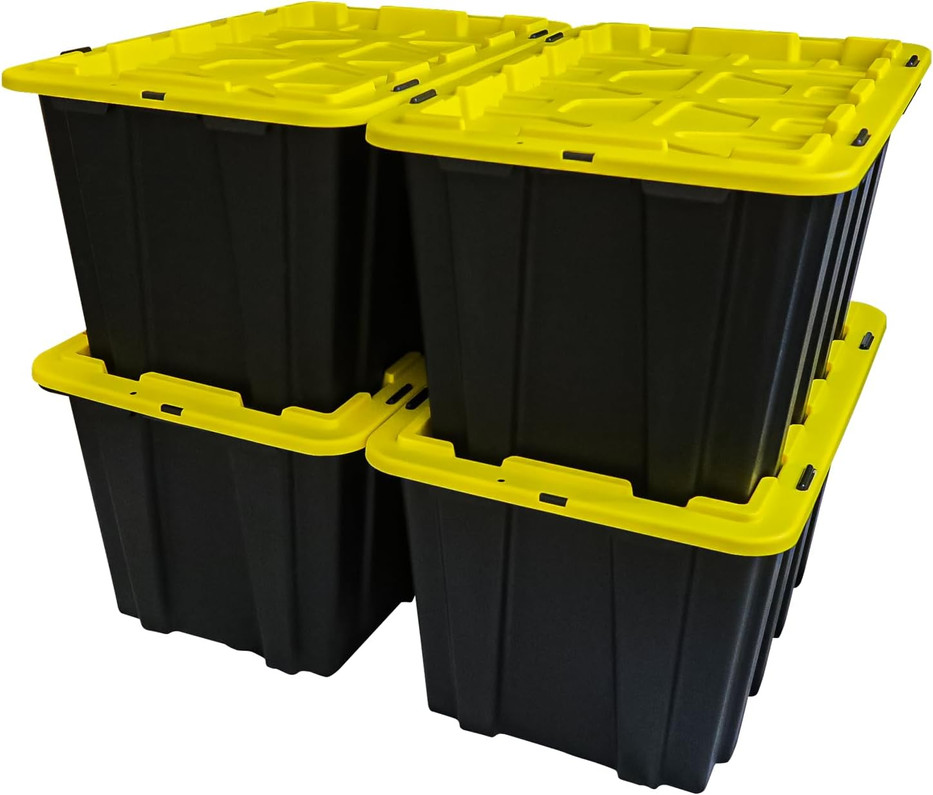
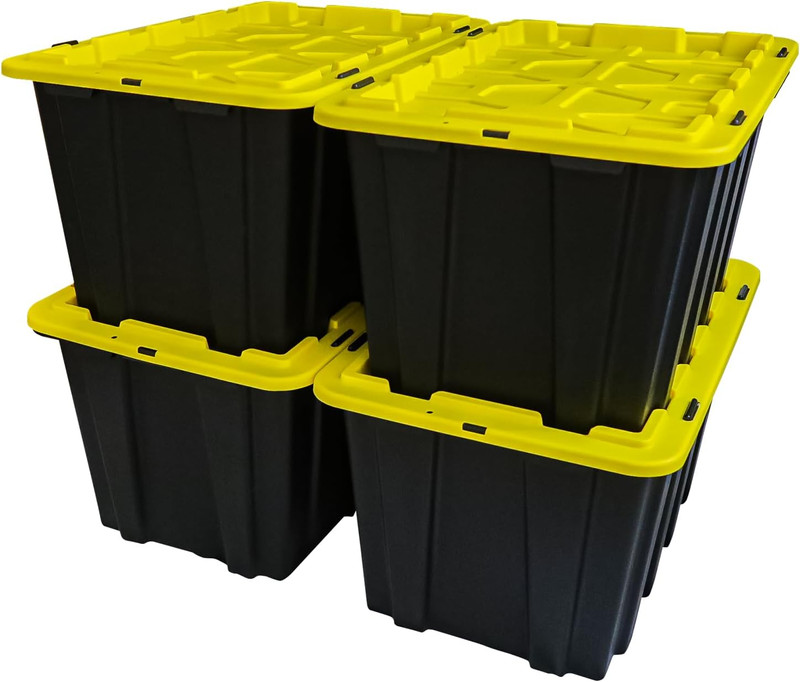
A snap lid that locks into place is especially useful in a garage. The 17 gallon snap lid storage bins use a lid designed to lock into place to help keep out dust or liquids, and built-in side grooves serve as handles for carrying a loaded bin to the car on game day.
Sort Sports Equipment Before You Store It
The biggest mistake is tossing everything into one giant bin. Sort first, then choose bin sizes.
- Pull everything out. Gather gear from the garage, car trunk, mudroom and bedrooms in one spot.
- Group by sport. Make one pile per sport: soccer, baseball and softball, football, basketball, hockey, lacrosse and so on.
- Split by season. Separate the sports that are done for the year from the sports that are starting now. In November, fall soccer and football gear usually goes into storage while basketball and hockey gear comes out.
- Remove outgrown items. Check sizes on cleats, gloves and pads. Set aside anything a child has outgrown to donate, sell or hand down.
- Toss what is broken. Cracked shin guards, flat balls that will not hold air and worn-out cleats should not take up bin space.
Choosing Sports Equipment Storage Bin Sizes
Match the bin to the bulk of the gear, not just the number of items.
- Deeper bins for bulky gear. Balls, helmets, catcher's gear and hockey pads need depth. The 17 gallon totes measure 24.5 by 16.5 by 13.5 inches, which leaves room for several balls or a full set of pads in one bin.
- Shallower bins for flat or small items. Cleats, gloves, shin guards, batting gloves, wristbands, cones and pinnies stay easier to see and grab in a shallower tote. The 12 gallon snap lid storage bins measure 24.5 by 16.5 by 9 inches and come in a set of 8, enough to give each sport or each child its own bin.
- Same footprint for neat stacks. Because both sizes share the same 24.5 by 16.5 inch footprint, a deep bin and a shallow bin can sit in the same shelf bay or stack in the same column.
- Long items stay out. Bats, hockey sticks and lacrosse sticks are usually too long for standard totes. Store them upright in a corner rack or wall hooks next to the bins for that sport.

Prep Gear Before It Goes in the Bin
Gear that goes into a sealed tote dirty or damp comes out smelling worse months later. Spend a weekend afternoon on prep.
- Clean off dirt and mud. Knock dried mud off cleats and wipe down balls, helmets and pads with a damp cloth.
- Dry everything completely. Let pads, gloves and cleats air out for a day or two in a dry spot before they go into a lidded bin.
- Deflate balls slightly. Letting a little air out of soccer balls, footballs and basketballs reduces stress on the seams during long storage. Keep the ball pump and needles in the same bin.
- Keep fabric separate. The product pages describe these totes as made for garage and workshop storage rather than fabric, so wash jerseys, socks and uniforms and store them in a closet or a bin made for clothing.
- Air out new totes. The product page notes that new bins may have a slight initial odor that fades after airing out, so open them up for a day before loading.
Stack, Label and Place the Bins
- Label two sides. Write the sport, the player's name and the season on the end and the side of each bin so you can read it whether it sits on a shelf or in a stack.
- Put off-season bins on top or in back. Gear for sports that will not start for months goes high or behind the in-season gear.
- Respect stacking limits. The 17 gallon bins are designed to stack up to 4 levels high, and the 12 gallon bins up to 8 levels high according to their product pages. Put the heaviest bins on the bottom, and keep stacks lower if bins are packed heavy.
- Keep a game-day bin by the door. One shallow tote for the in-season sport, with water bottles, mouthguards and a spare pair of socks, saves a lot of last-minute searching.
- Nest empty bins. Both sizes can nest inside each other when empty, so spare totes take up little space until the next season.
Safety note: lift loaded bins with your legs, not your back, and do not climb on stacked totes to reach the top. Use a step stool or ladder instead. For more garage stacking tips, see our guide on how to stack storage totes safely.
Frequently Asked Questions
How do I keep sports equipment from smelling in storage
Clean and fully dry every item before it goes into a bin. Odor comes from trapped moisture and sweat, so let pads, gloves and cleats air out for a day or two first, and store bins in a dry area rather than a damp basement.
What size storage bin fits soccer balls and basketballs
A deeper tote works best for balls. The 17 gallon bins measure 24.5 by 16.5 by 13.5 inches, which gives enough height for full-size balls. Shallower 12 gallon bins are better for cleats, gloves and flat gear.
Should each child have their own sports bin
For families with several players, one bin per child per sport works well. Each player knows where their gear lives, and outgrown items are easy to spot at the end of the season.
Where should I keep sports equipment bins
A garage shelf, mudroom or basement area that stays dry is ideal. Keep the in-season bin near the door you use on game day and put off-season bins higher or further back.
Start Your Off-Season Sports Storage
A few sorted, labeled totes turn a pile of sports gear into a system the whole family can follow. Pick up the 17 gallon snap lid storage bins for bulky gear, the 12 gallon snap lid storage bins for small items, and browse all home storage bins to finish the job.
Recent Posts
-
Folding Tables Versus Workbenches for Real Work
A garage project can change quickly: one day you are assembling shelves, and the next you need the f …Nov 15, 2026 -
Aluminum Versus Steel Ladders for Work and Home
A ladder that is awkward to carry often gets left in the garage. A ladder that is too light-duty for …Nov 14, 2026 -
Office Supply Cart Guide for Smarter Workspaces
A supply closet may hold plenty of inventory, but it does not help much when envelopes, labels, pape …Nov 13, 2026
