What Size Moving Boxes Should You Buy for Your Move?
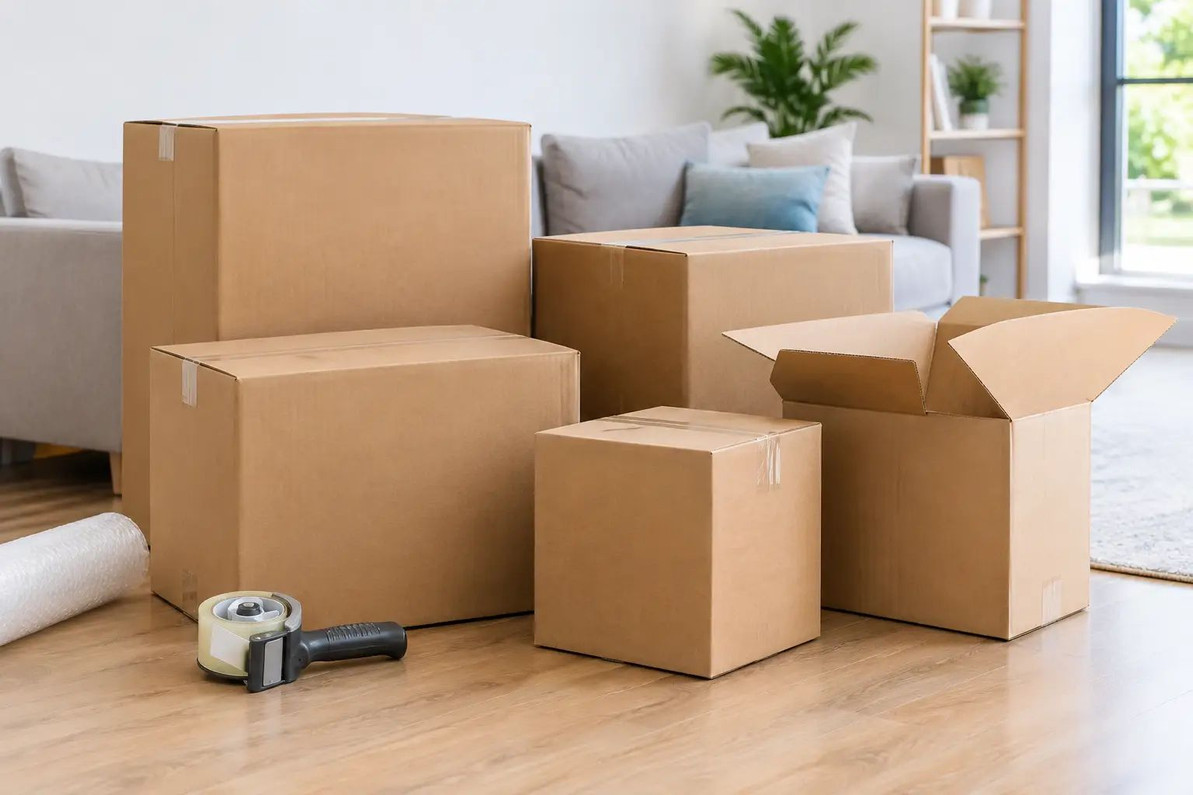
A box that is too large is one of the fastest ways to make moving day harder. Books become unliftable, glassware shifts inside, and a bulky box can be awkward on stairs or in a hallway. If you are asking what size moving boxes to buy, the answer is not one size for the whole house. A practical move uses several box sizes, with each one matched to the weight, shape, and fragility of what goes inside.
The goal is simple: pack dense items in smaller cartons, use medium boxes for most household goods, and reserve large boxes for lightweight, bulky belongings. This approach makes loading safer, uses truck space efficiently, and helps prevent crushed or damaged items.
What Size Moving Boxes Work for Most Homes?
Moving box dimensions vary slightly by manufacturer, but standard sizes are common enough to make planning straightforward. Check the listed inside or outside dimensions before ordering, especially if you are packing shelving, records, framed items, or other pieces that need a specific fit.
Small boxes: best for heavy, compact items
Small moving boxes are often about 16 x 12 x 12 inches. They are the workhorses for items that become heavy quickly: books, canned food, tools, dishes, small kitchen appliances, hardware, and cleaning supplies.
A small box limits how much weight you can add, which is exactly the point. Fill gaps with packing paper, close the flaps without forcing them, and keep the finished box at a weight you can lift and carry comfortably. For many people, that means roughly 30 to 40 pounds or less, depending on fitness, stairs, and the distance to the truck.
Do not use a large carton for books just because everything fits. A box full of books can become difficult to lift before it is even half full. Small boxes protect both the carton and the person carrying it.
Medium boxes: the everyday choice
Medium boxes are commonly around 18 x 18 x 16 inches. For most moves, this is the size you will use most often. It works well for pots and pans, pantry goods, toys, shoes, small lamps, office supplies, folded clothing, board games, and bathroom items.
Medium cartons offer a useful balance between capacity and manageable weight. They are also easier to stack than oversized boxes, which matters when loading a rental truck, storage unit, or delivery vehicle. If you are unsure where an item belongs, a medium box is usually the safest starting point.
Large boxes: for light but bulky belongings
Large moving boxes are often about 18 x 18 x 24 inches. Use them for pillows, bedding, comforters, towels, blankets, large stuffed toys, winter coats, and other items that take up a lot of space without adding much weight.
The trade-off is important: a large box has plenty of volume, but it should not be packed with heavy household goods. A large box filled with cookware, books, or tools is hard to control and may strain the bottom seams. Keep dense items in smaller cartons and use large boxes to contain soft goods that would otherwise take up loose space in the truck.
Extra-large boxes: use them selectively
Extra-large boxes can be useful for oversized lightweight items, including bulky comforters, foam cushions, large lampshades, and seasonal décor. They are not automatically better because they hold more. They can become difficult to carry through doorways, turn on stairs, or stack securely in a vehicle.
If you are moving from a small apartment, you may need only a few extra-large cartons. Larger homes with several bedrooms, linen closets, and seasonal storage may benefit from more. Buy these after you have accounted for small, medium, and large boxes, not before.
Specialty Boxes That Solve Specific Packing Problems
Standard cartons handle most belongings, but specialty boxes can reduce risk and save packing time for fragile or awkward items. They are worth considering when the item is difficult to protect with a regular box and loose paper alone.
Wardrobe boxes include a hanging bar, allowing you to transfer clothes directly from the closet. They are especially useful for suits, dresses, coats, and items you do not want folded. Because they are tall and take up truck space, use them for hanging clothing only, not as a catchall box for shoes or heavy accessories.
Dish pack boxes are designed for fragile kitchen and dining items. Their sturdier construction can be helpful for plates, bowls, glassware, and serving pieces, but careful wrapping still matters. Place heavier dishes vertically rather than flat when possible, pad the bottom, and fill empty spaces so contents cannot shift.
Mirror and picture boxes are made for framed art, mirrors, and flat screens that fit the carton dimensions. Measure the item first. A box that is too large leaves room for movement; one that is too small can put pressure on corners or glass. Corner protectors and padding add another layer of protection.
File boxes are useful for paper records, folders, and small office supplies. Paper is deceptively heavy, so compact file cartons are usually a better choice than large moving boxes. They can also make organizing a home office or business relocation much easier after arrival.
Choose Box Size by Weight, Not Just by Room
Packing room by room is useful for labeling, but weight should decide the box size. A kitchen may need small boxes for canned goods and dishes, medium boxes for plastic containers and cookware, and a specialty carton for stemware. A bedroom may need medium boxes for folded clothes and large boxes for bedding.
A reliable rule is to pair heavy items with small boxes and light items with larger ones. If a carton is only partly filled because the contents are heavy, add lightweight packing material rather than another dense item. If it is full but too light, that is usually fine as long as it is packed firmly enough to prevent crushing.
Avoid mixing unrelated heavy and fragile items just to fill a box. A cast-iron pan beside glassware is not an efficient use of space if it breaks the glassware during transport. Group items by room when practical, but protect the contents first.
How Many Moving Boxes Should You Buy?
The number of boxes depends on how furnished the space is, how long you have lived there, and how much storage you have accumulated. A one-bedroom apartment with minimal belongings may need a few dozen boxes. A family home with a garage, basement, closets, and a full kitchen can require substantially more.
Instead of trying to predict one exact number, make a quick inventory. Count bookcases, kitchen cabinets, closets, storage bins, and shelves. Pay extra attention to areas people underestimate: pantry shelves, linen closets, holiday decorations, garages, laundry rooms, and home offices.
For a typical home, medium boxes usually make up the largest share of the order. Add a smaller number of small boxes for dense goods, then large boxes for linens and soft items. Keep a modest reserve rather than ordering only the exact number you think you need. Running out of cartons at the end often leads to overfilled boxes or poorly protected items.
Do Not Forget the Supplies That Make Boxes Work
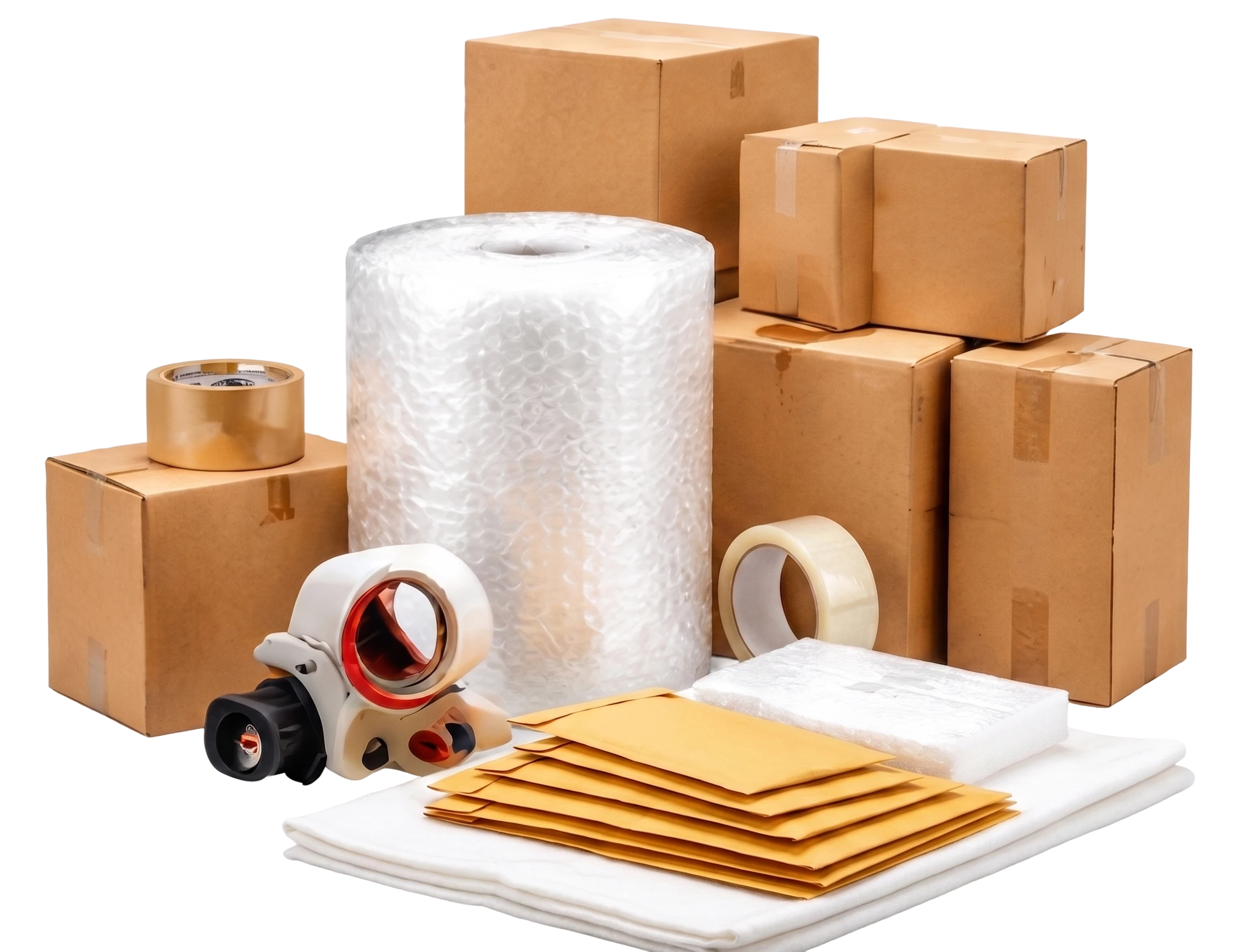
The right box size matters, but so does how you close, cushion, label, and move each carton. Use quality packing tape across the center seam and along the edges of heavier boxes. For extra-heavy small cartons, tape the bottom seam before packing and reinforce it once the box is full.
Packing paper, bubble cushioning, and cardboard dividers help prevent movement inside fragile-item boxes. Labels should identify both the room and the contents, such as “Kitchen - mugs and glasses” rather than simply “Kitchen.” Mark cartons with fragile contents clearly, but do not rely on that label alone. Proper padding is the real protection.
If you are moving multiple heavy boxes, a hand truck, utility cart, or platform cart can reduce repeated carrying. Use equipment suited to the load, keep boxes stacked securely, and avoid building a load so tall that you cannot see where you are going.
A Practical Box Mix for a Better Move
Start with small boxes for heavy goods, medium boxes for everyday household items, large boxes for bulky linens, and specialty cartons for pieces that need extra protection. Measure unusual items before buying boxes, and do not treat oversized cartons as a shortcut for packing faster.
A well-packed box should close easily, feel stable when lifted, and have no empty space that lets contents slide around. Choosing the right sizes before you start turns packing from a last-minute scramble into a manageable job, one labeled box at a time.
Recent Posts
-
How to Organize Toys With Clear Storage Bins
Toy clutter tends to peak right before the holidays, when birthday gifts from the year are still sca …Oct 23, 2026 -
Folding Chairs for Church Halls and Community Centers
Church halls, fellowship rooms and community centers ask more of their seating than almost any home. …Oct 23, 2026 -
Restaurant Bus Cart Guide: Using a Utility Cart for Bussing
Every busy dining room hits the same wall at some point in a shift: dirty plates stack up, servers m …Oct 23, 2026