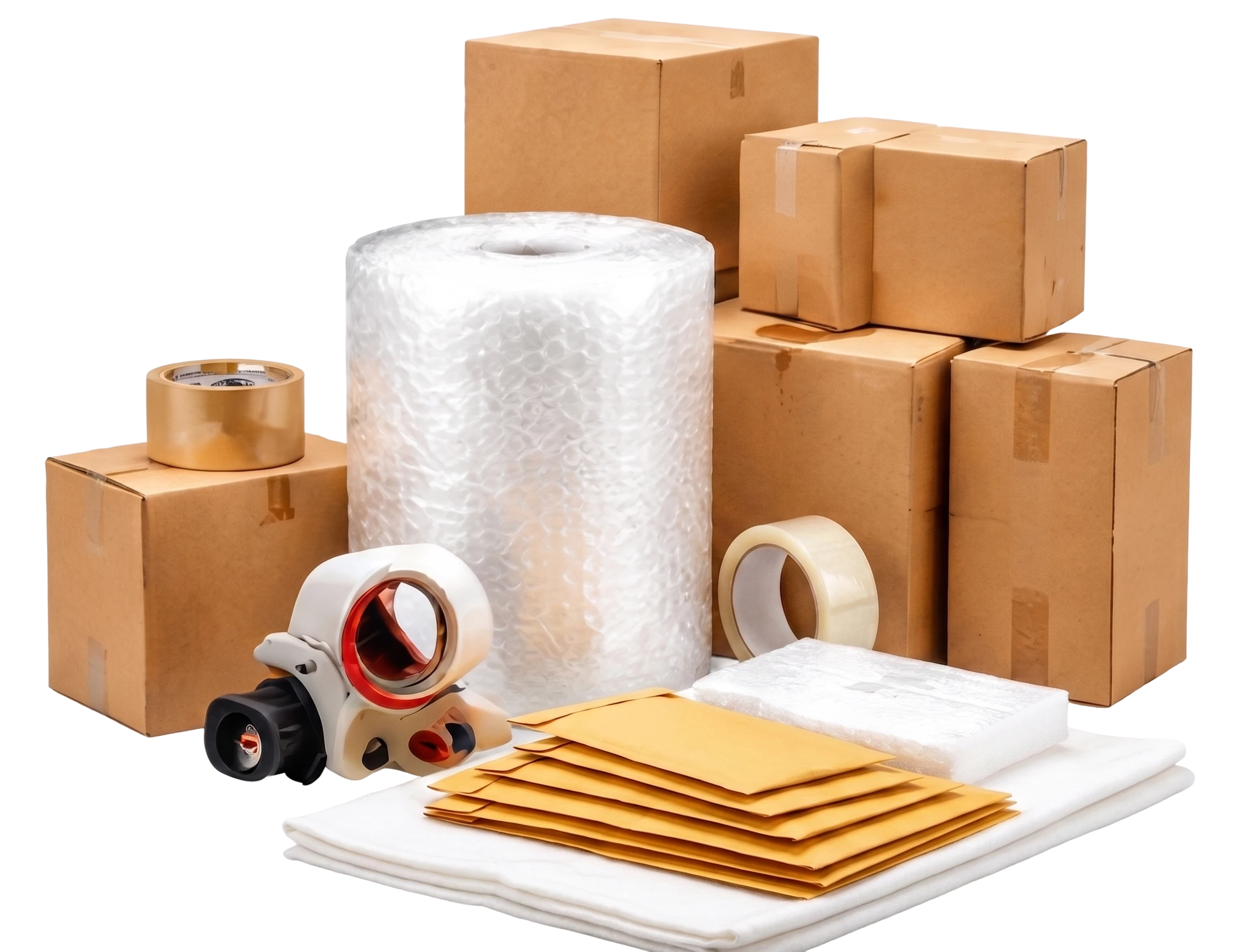

US Warehouse Supply Guide for Efficient Operations
A warehouse can lose time in surprisingly small ways: a cart with the wrong deck size, labels that will not stay put, a ladder stored across an aisle, or packing supplies scattered between workstations. This US warehouse supply guide focuses on the everyday equipment that keeps receiving, storage, picking, packing, and maintenance moving without adding unnecessary cost or clutter.
The right setup depends on what moves through your facility, how often it moves, and how much floor space is available. A small e-commerce stockroom may need compact shelving accessories, shipping labels, and folding tables. A maintenance department may prioritize dollies, platform carts, ladders, and storage bins. Start with the work being done, not just the products you think a warehouse should have.
Start With Your Warehouse Workflow
Before ordering supplies, walk through the path of a typical item. Where does it arrive? Where is it checked, stored, picked, packed, staged, and shipped? Each handoff is a place where the right piece of equipment can save steps and reduce avoidable handling.
Receiving areas usually need clear staging space and equipment that can move cartons safely. Storage areas need organization that makes products easy to identify. Packing stations need a dependable work surface and supplies within arm's reach. Shipping areas need labels and packaging materials that match the carrier, package type, and daily volume.
Measure aisle widths, door openings, elevator access, and available storage space before choosing larger equipment. A platform cart may have plenty of capacity on paper, but it is not useful if it cannot turn into your receiving area or fit between rack rows. Similarly, a folding table should support your packing workflow without narrowing a pedestrian path.
US Warehouse Supply Guide: Core Equipment Categories
A practical warehouse supply plan generally starts with material handling, storage and organization, packing supplies, access equipment, and basic work surfaces. These categories overlap because the goal is not to buy more items. It is to make routine tasks easier to complete correctly.
Material Handling for Boxes, Stock, and Equipment
Platform carts, utility carts, and dollies reduce repeated lifting and make short moves more efficient. The best choice comes down to the load, travel distance, and route.
A platform cart works well for larger cartons, bundled inventory, or several items moved at once. Compare the deck dimensions with the typical load, then check the stated weight capacity. A larger deck can reduce trips, but it may be harder to maneuver in a tight stockroom.
Utility carts are often better for smaller products, tools, maintenance supplies, or picking orders across multiple locations. Multi-shelf designs help separate items and keep loose supplies from rolling around during transport. They are especially useful when employees regularly move small batches rather than pallet-sized loads.
Dollies are a straightforward option for moving bulky items, appliances, stacked boxes, or equipment. Consider the wheel type and handle design as carefully as the capacity. A dolly used on smooth indoor concrete has different needs than one used at loading areas with thresholds, uneven surfaces, or frequent turns.
Do not treat capacity as a target. Allow room below the maximum rating for the real conditions of your work, including uneven loads, repeated use, and the effort needed to control the cart or dolly. Keeping loads stable and within equipment limits is more useful than trying to move everything in one trip.
Storage That Supports Picking Accuracy
Warehouse organization is not just about fitting more inventory into a room. It should help people find the correct item quickly and return it to the correct place. Start with products that create the most confusion: small replacement parts, frequently picked items, hardware, labels, and maintenance supplies.
Use storage bins, containers, or clearly assigned shelf locations to separate similar-looking products. Place fast-moving items where they are easiest to reach, while less frequently used stock can occupy higher or lower locations. This simple arrangement can reduce unnecessary walking and repeated bending during busy shifts.
Label every location in a consistent format. For example, a zone, aisle, shelf, and bin system gives employees a shared language for finding inventory. The format matters less than consistency. If one area uses handwritten shorthand and another uses different naming conventions, mistakes become more likely as inventory grows.
Avoid overfilling bins and shelves. A location that is difficult to pick from will slow down workers and can lead to damaged packaging or misplaced stock. Leave enough room to remove one item without disturbing everything around it.
Shipping Labels and Packaging Supplies
Shipping supplies should match your actual order volume and package mix. A business sending a few parcels each day may need only a reliable supply of labels and basic packaging materials. A high-volume operation benefits from dedicated packing stations with replenishment supplies stored nearby.
Check label size and adhesive type against the labels required for your shipping process. Labels need a clean, dry surface to adhere properly. If cartons are dusty, damp, heavily textured, or frequently handled, test a small batch before committing to a large quantity.
Keep packing supplies organized by use. Place labels, tape, mailers, cartons, and protective materials where packers can reach them without leaving the station. A folding table can create a flexible packing area when space is limited, while a more permanent worktable may be a better fit for steady daily volume.
It is also wise to separate incoming labels from completed shipments. Mixing the two may seem minor, but it creates a preventable risk of applying the wrong label to the wrong package. A simple designated tray, cart shelf, or staging section can keep orders moving in the correct direction.
Ladders and Step Stools for Access
Access equipment should be selected for the height and frequency of the task. A step stool can be practical for occasional access to low shelves. A ladder may be needed for higher storage, maintenance work, or restocking. Using the right tool is safer and more efficient than climbing on carts, boxes, or shelving.
Measure the height of the item being reached, not just the shelf height. Workers need a stable standing position and enough reach to handle a box or complete a task without stretching excessively. Consider where the ladder will be stored as well. A ladder that blocks an aisle when not in use quickly becomes a workspace problem.
Inspect access equipment regularly for loose hardware, damaged feet, bent parts, or worn steps. Keep ladders and step stools clean and dry, and follow their product instructions for use and capacity. For frequent elevated picking, rethink the storage layout if possible. Moving fast-selling inventory lower may eliminate many unnecessary climbs.
Build Workstations Around Repetition
The most useful warehouse improvements often come from observing tasks that happen dozens of times a day. If packers repeatedly walk ten feet for labels, add label storage at the station. If maintenance staff make multiple trips for tools and replacement parts, a utility cart may keep essential supplies together.
Set up work areas so materials follow the order of the task. At a packing station, an item might arrive on one side, be checked and packed in the center, then move to a labeled outgoing area on the other side. At a receiving station, cartons can move from inspection to sorting to storage without crossing the path of outgoing orders.
Folding tables and chairs can be valuable when warehouse needs change by season, project, or event. They offer flexibility for temporary packing lines, inventory counts, training, or returns processing. For permanent heavy-use stations, verify dimensions and load requirements so the surface fits the work rather than becoming another bottleneck.
Plan Replenishment Before Supplies Run Out
Warehouse supplies are easiest to manage when they are replenished before they interrupt work. Set minimum quantities for frequently used items such as labels, tape, packaging materials, cleaning essentials, and replacement parts. The right minimum depends on order volume, storage space, and how quickly you need to restock.
Keep a simple count sheet or inventory record for consumable supplies. You do not need a complicated system to avoid a last-minute shortage. What matters is knowing who checks stock, how often they check it, and when an order should be placed.
For businesses buying multiple carts, tables, labels, or storage products, standardizing where practical can make training and replacements easier. That said, one cart style or one bin size will not fit every job. Standardize the common items, then choose specialized equipment only where the workflow clearly calls for it.
Buy for the Job You Have Now
The lowest-priced item is not always the best value if it creates extra trips, does not fit the space, or wears out under normal use. On the other hand, buying oversized equipment for a small operation can tie up floor space and budget without solving a real problem. Look for clear dimensions, stated capacities, package contents, and compatibility details before ordering.
Easy Deal USA offers practical products for moving, storing, packing, organizing, and maintaining active workspaces, with options suited to small business stockrooms and everyday warehouse tasks. Choose the supplies that remove the next recurring obstacle in your operation, then build from there as your workflow changes.
Recent Posts
-
How to Organize Toys With Clear Storage Bins
Toy clutter tends to peak right before the holidays, when birthday gifts from the year are still sca …Oct 23, 2026 -
Folding Chairs for Church Halls and Community Centers
Church halls, fellowship rooms and community centers ask more of their seating than almost any home. …Oct 23, 2026 -
Restaurant Bus Cart Guide: Using a Utility Cart for Bussing
Every busy dining room hits the same wall at some point in a shift: dirty plates stack up, servers m …Oct 23, 2026