
Small Business Inventory Storage: Complete Solutions Guide
Running out of room for boxes, pallets, and spare stock is one of the fastest ways to slow down a small business. When small business inventory storage turns into a daily struggle, orders take longer to fill, products get damaged, and shelves become impossible to track. Poor storage habits also drain money, since a cramped stockroom often leads to duplicate orders, missed sales, or damaged goods that can't be sold.
This guide to small business inventory storage walks through the practical steps I recommend, from understanding why off-site storage helps to picking the right facility, organizing what you store, and matching inventory types to the right system. I'll also cover simple tracking strategies, plus where practical supplies like shelving and bins from Easy Deal USA fit into the picture.
By the end, you'll have a clear plan for keeping stock organized, protected, and easy to find whenever you need it. Let's get into what makes off-site storage worth considering first.
Key Takeaways
-
Off-site storage frees up space, cuts costs compared to expanding your lease, and adds stronger security than most backrooms offer.
-
Picking the right storage facility comes down to four things: location, security, unit size, and climate control.
-
Simple systems like labeling, shelving, and clear bins make a bigger difference than any software upgrade.
-
Matching your storage approach to your inventory type, raw materials versus finished goods versus supplies, saves money and prevents waste.
-
Start small with better organization, then scale into bigger facility decisions as your business grows.
Why Off-Site Inventory Storage Makes Sense for Small Businesses
Small business inventory storage located off-site solves five problems at once: tight space, disorganized stock, weak security, high overhead, and inflexible growth plans. Renting a dedicated unit frees up your storefront or office for customers and staff instead of boxes. It also gives your stock better protection through cameras, gated access, and trained staff that a small backroom rarely has. Add in lower costs than leasing a bigger space, plus the option to scale up or down as seasons change, and off-site storage turns into a practical fix rather than an extra expense, a tradeoff explored in a small business inventory decision framework that weighs storage costs against growth timing.
How Off-Site Storage Saves Space and Money
Off-site storage saves money by letting you pay only for the square footage you actually use, instead of signing a bigger lease with higher rent, utilities, and upkeep, a cost structure detailed in a small business inventory management guide for growing operations. Freeing up space at your main location means you can grow sales floor space or add a workstation without moving anywhere. Storage units also scale with you, so you can add a unit during busy seasons and drop it once demand slows down.
What Should You Look For In A Storage Facility?
Choosing a storage facility for small business inventory storage comes down to four pillars: location, security, size, and climate control. Pick a facility close enough to your business that pickups and restocking don't eat up half your day. Confirm the security measures match what your inventory is worth, since high-value stock deserves more than a padlock and a weak excuse for a lock. Finally, size the unit honestly for your current stock plus near-term growth, and decide early whether your products need climate control to avoid damage from heat, cold, or humidity.
Location and Security Features to Check
A storage facility's location affects how fast you can grab inventory when a rush order comes in, so proximity to your business matters more than a slightly lower rate across town. Look for:
-
Cameras covering every entry point
-
Gated access that logs who comes and goes
-
Alarms that trigger real alerts
-
A region with a clean flood or storm history, since weather damage can wipe out stock no security system can stop
Size and Climate Control Needs
Estimate your unit size by measuring your current stock plus whatever growth you expect over the next year, rather than guessing. A unit that's too small forces risky stacking, while one that's too big wastes money every month. Climate control costs more but protects electronics, textiles, cosmetics, and food items from temperature swings and humidity that can ruin a shipment before it ever reaches a customer.
How To Organize And Protect Stored Inventory
Organizing small business inventory storage starts with consistent packaging and labeling, since a messy stockroom costs you time every single day. Use sturdy boxes rated for stacking, protective padding for anything fragile, and a labeling system that lists the product name, SKU, and quantity on every box. Shelving turns wasted floor space into usable storage, while clear containers let you spot what's inside without opening every lid. Together, these habits cut search time, reduce damage, and make it far easier for any team member to find what they need.
Shelving, Stacking, and Storage Containers

Adjustable shelving and racks let you use vertical space instead of piling boxes on the floor where bottom items become impossible to reach. When stacking without shelves, always put heavier boxes on the bottom and lighter ones on top to avoid collapses. Clear plastic bins add a layer of protection against dust, moisture, and pests while letting you see contents at a glance. Easy Deal USA carries affordable shelving, bins, and storage systems that make setting up an organized unit simple for a small operation.
Labeling and Layout Best Practices

A standardized label showing the SKU, product name, and quantity on every box removes the guesswork when someone needs to find an item fast. Lay out your unit with clear walking paths down the middle and distinct zones for each product category or supplier. Keep your fastest-moving items near the entrance so the people retrieving them most often spend the least time walking. This simple layout habit alone can shave real minutes off every pick.
What Types Of Inventory Need Different Storage Approaches?

Different types of inventory need different storage approaches because raw materials, work-in-progress items, finished goods, MRO supplies, and packing materials all behave differently once they sit in storage. Raw materials like flour or metal parts need rotation and protection from spoilage or rust. Finished goods need secure, organized storage that matches customer demand so you're not tying up cash in unsold stock. MRO supplies, things like bolts and lubricants, and packing materials need simple tracking so you never run short mid-shipment. Treating every box the same way, regardless of type, is a common cause of wasted space and avoidable damage.
Matching Storage Methods to Inventory Type
-
Raw materials: climate protection plus a first-in, first-out rotation so nothing sits long enough to spoil or go obsolete
-
Finished goods: secure shelving positioned by how fast each product sells, keeping bestsellers accessible and slow movers out of the way
-
MRO and packing supplies (bolts, tape, boxes): a basic reorder checklist rather than a complicated system
Matching effort to value keeps your storage budget focused where it actually matters.
Simple Inventory Management Strategies That Work
Simple inventory management strategies work because they put attention where it counts instead of treating every item the same way, an approach reinforced by research on a comprehensive approach to defining inventory management costs for small batch operations. ABC analysis sorts inventory by value, so you watch your highest-value stock closely while spending less effort on low-value items. Cycle counting checks small sections of inventory on a rotating schedule, which catches errors without shutting down operations for a full count. Demand forecasting rounds out the approach, using past sales to predict what you'll need next month instead of guessing.
Getting Started with Tracking and Software

Small operations can start with a simple spreadsheet or basic barcode scanner before ever paying for inventory software. As your stock, locations, or order volume grow, cloud-based inventory platforms become worth the monthly cost since they update counts automatically and flag reorder points, part of the shift toward mature inventory management for supply chain automation that researchers have documented. Regular audits, even quick spot checks, catch discrepancies early before they turn into bigger stock problems. Starting simple and upgrading only when you need to keeps costs under control.
Where Easy Deal USA Fits Into Your Storage Solution

Easy Deal USA supplies many of the practical products that make small business inventory storage work, including warehouse shelving, storage bins, packaging and shipping materials, and moving equipment for handling heavier loads. Whether you're setting up a rented storage unit or organizing a back room, these categories cover most of what a small operation needs to get going quickly.
What sets the company apart is competitive pricing across thousands of products, fast U.S. shipping that keeps downtime short, and easy returns if a shelving unit or container isn't the right fit. Pair that with U.S.-based customer support, and you get a straightforward way to outfit your storage setup without guesswork or long waits.
Final Thoughts
Smart storage choices save small businesses money, space, and time, three resources no owner can afford to waste. The real lesson across this guide is that matching your facility and organization system to the inventory you actually carry beats any one-size-fits-all approach. A climate-controlled unit makes sense for cosmetics but not for sturdy hardware, and a complex software system pays off for a growing catalog but not for a handful of SKUs.
Start small: better labeling, sturdier shelving, and clear bins solve most everyday storage headaches before you ever need a bigger facility. Once those basics are solid, bigger decisions like renting off-site space become much easier to plan. If you're ready to get organized, Easy Deal USA offers practical shelving, bins, and packaging supplies to help you build a system that actually works for your business.
Frequently Asked Questions
I get a lot of practical questions about small business inventory storage, so here are quick answers to the ones that come up most often when owners start planning their setup.
How much should a small business budget for inventory storage each month?
Monthly costs typically depend on unit size, location, and whether you need climate control, with basic units costing far less than climate-controlled ones. Compare total cost, including insurance and handling fees, rather than just the advertised base rent.
Can I store inventory at home instead of renting a separate facility?
Home shelving and storage solutions work fine for very small inventory volumes, especially early on. Once stock grows, though, homes lack commercial-grade security, space, and insurance coverage, so a dedicated facility becomes the safer, more scalable choice.
How do I know when my business has outgrown its current storage space?
Watch for overcrowding, slower order fulfillment, and more frequent product damage, all signs your space is too tight. Tracking inventory turnover and sales growth helps you spot the need for more room before it becomes a real problem.
What's the difference between a storage unit and a fulfillment warehouse?
A storage unit simply holds inventory until you need it, while a fulfillment warehouse also picks, packs, and ships orders for you. Small operations usually start with storage units, then move to fulfillment services as order volume grows.
Do I need insurance for inventory kept in a storage facility?
Many facilities require proof of insurance or sell add-on coverage for stored goods. Check first whether your existing business insurance policy already covers off-site inventory, since that could save you from paying for duplicate coverage.
How often should I do a full inventory count versus cycle counts?
Cycle counts work well weekly or monthly, checking small sections without stopping daily operations. Plan a full physical count once or twice a year to confirm total accuracy and catch anything the cycle counts may have missed.
Recent Posts
-

How to Hand Wrap a Pallet | Easy Deal USA
A pallet that leaves your dock tight and square should arrive the same way. A pallet that's wrapped …Oct 09, 2026 -
Samsung Dryer Not Heating? Causes and How to Fix It
Your Samsung dryer tumbles, the timer counts down, and the clothes come out just as damp as they wen …Oct 07, 2026 -
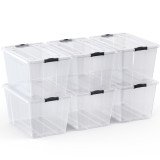
How to Store Holiday Decorations in Latching Storage Totes
Every January the same scene plays out: ornaments rolled loose in a cardboard box, a tangle of light …Oct 07, 2026