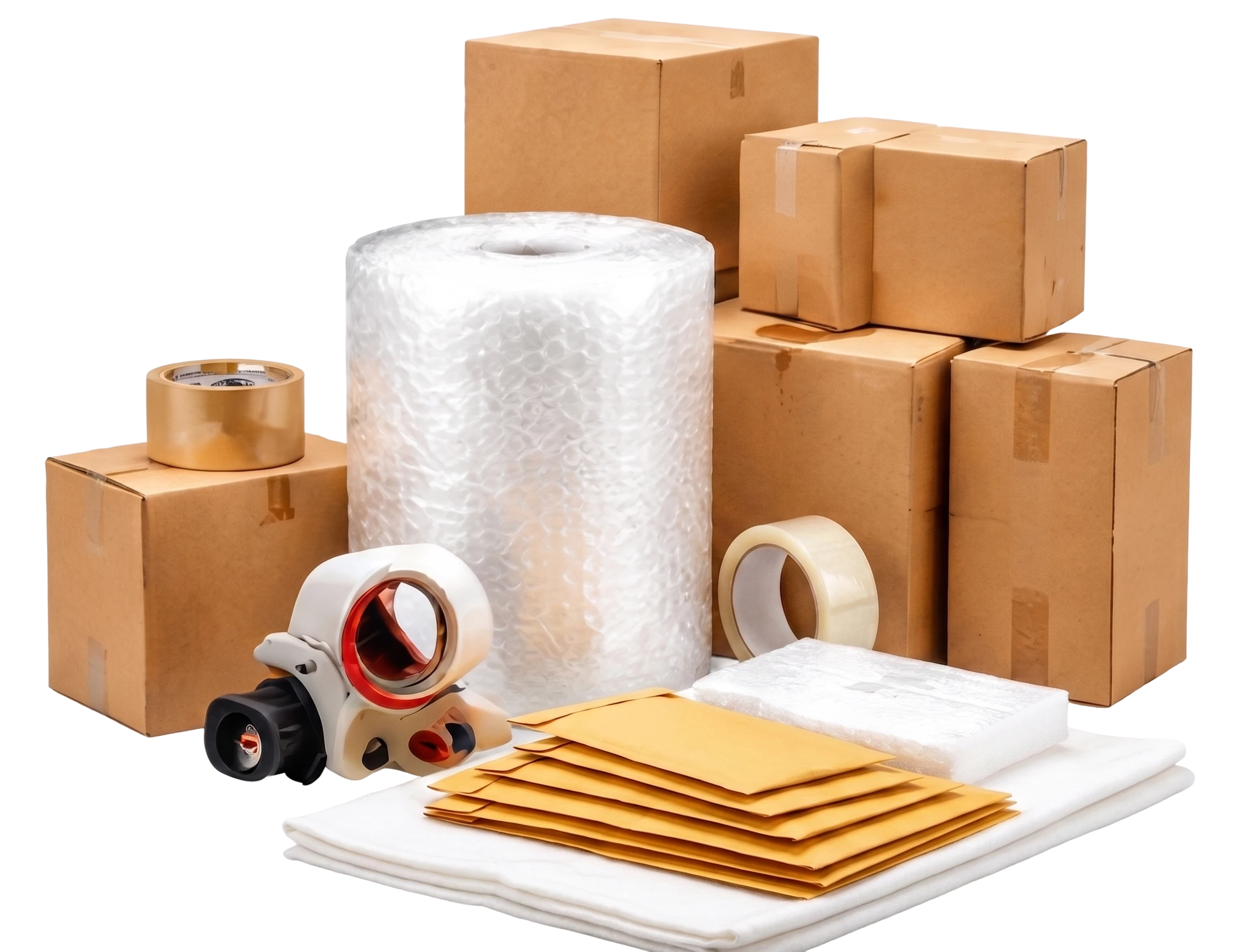
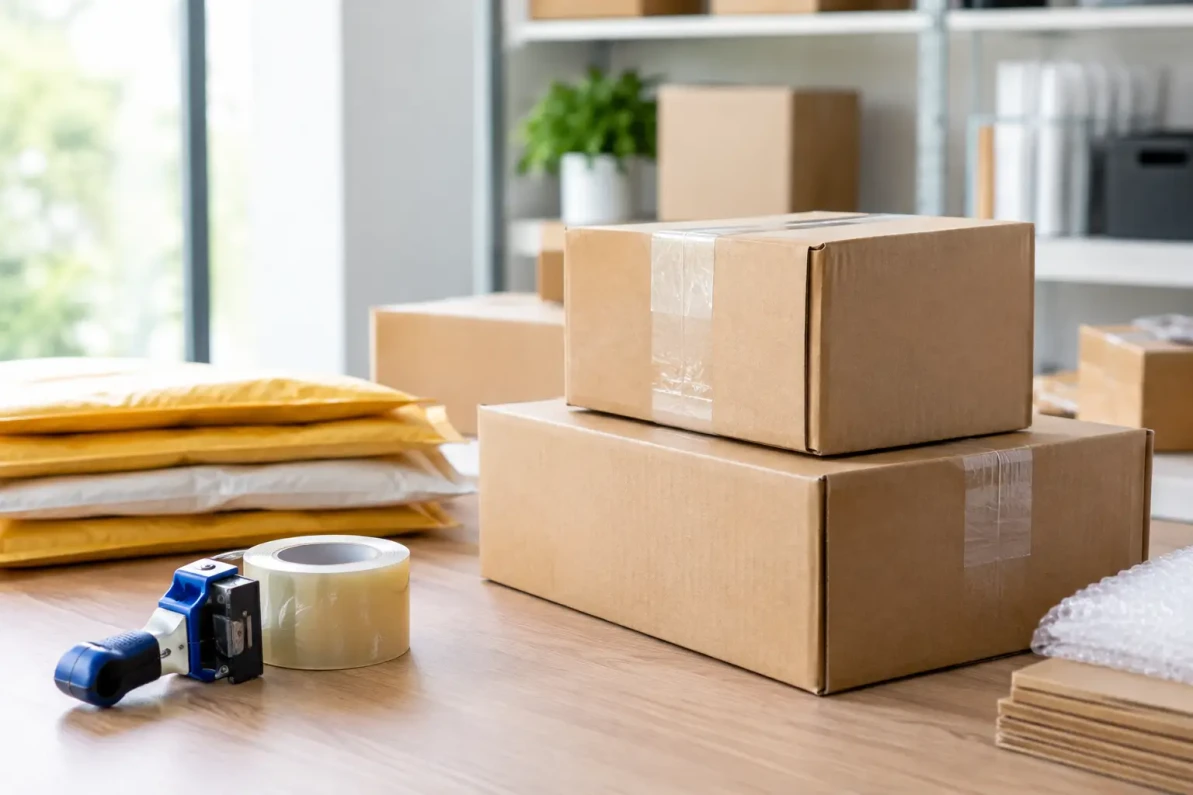
Shipping Supply Savings That Hold Up in Transit
A box that costs a few cents less is not a bargain if it arrives crushed, opens during handling, or requires extra filler to protect the item. Real shipping supply savings come from matching each material to the job, buying sensible quantities, and reducing the small sources of waste that add up across every order.
For homeowners sending occasional packages, the goal may be avoiding an unnecessary store run. For e-commerce sellers, property managers, and warehouse teams, the focus is usually consistency: fewer damaged shipments, less packing time, and supplies that are ready when orders need to go out. The best approach depends on what you ship, how often you ship it, and how much storage space you have.
Start With the Cost Per Shipped Order
Looking only at the unit price of tape, boxes, or labels can lead to the wrong purchase. A lower-priced carton may use more void fill, take longer to assemble, or create a higher chance of product damage. Those costs are harder to see than the price on the supply shelf, but they matter.
A practical way to evaluate supplies is to think in terms of the total cost for one completed shipment. Include the box or mailer, cushioning, tape, label, labor time, and the likely cost of replacing a damaged item. You do not need a detailed spreadsheet for every package. Even a simple comparison between your most common package sizes can show where money is leaving the packing station.
For example, a seller shipping small replacement parts may save more with a properly sized padded mailer than with an oversized box, loose fill, and several strips of tape. On the other hand, a heavier appliance part may need a sturdy carton and reliable sealing material. Using a mailer simply because it is cheaper can create a costly return.
Identify Your Most Common Shipments
Before ordering a large supply quantity, review the last several weeks of outgoing packages. Look for patterns in product dimensions, weights, order volume, and breakage concerns. Most small operations do not need a different box for every item. They need a short, useful range that covers the majority of orders without excessive empty space.
Keep a record of the package sizes you use most often and the supplies each one requires. If a certain carton is rarely used, takes up valuable storage room, or needs too much filler, it may not belong in your regular inventory. This simple review prevents overbuying specialty materials that sit unused for months.
Shipping Supply Savings Start With Better Sizing
Oversized packaging is one of the most common and avoidable sources of waste. A box with too much empty room requires more cushioning, costs more to store, and can allow the contents to shift. A box that is too tight can put pressure on corners, seams, or fragile components.
Choose packaging that leaves enough room for protective material without turning every shipment into a large parcel. For non-fragile items, a close-fitting box or mailer often reduces both material use and packing time. For fragile, heavy, or irregularly shaped items, leave adequate space for cushioning on all sides and use a carton that can handle the load.
Reusable packing materials can also be useful when they arrive clean and in good condition. Reusing sturdy filler from incoming deliveries may lower costs for local moves, internal storage, or non-fragile shipments. However, avoid reused boxes that are weak, damp, heavily creased, or covered with old labels. They can look unprofessional and may fail when stacked or handled in transit.
Keep a Small, Flexible Box Range
A compact box program is easier to manage than a crowded supply area filled with nearly identical sizes. Many small businesses can cover routine orders with small, medium, and larger cartons, plus a few specialty choices for long or unusually shaped items.
The right mix depends on your catalog. A warehouse that ships tools or maintenance parts may need stronger cartons and more protective packing. A business sending lightweight household goods may benefit from more mailers and smaller boxes. Start with actual order history instead of guessing from product photos or shelf dimensions.
Use Tape and Labels Without Overusing Them
Tape is inexpensive until it is used carelessly on every package. Applying multiple long strips to a light parcel wastes material and slows the packing process. At the same time, under-taping a box can lead to an open seam, a missing item, and a customer service problem.
Use tape that fits the carton and shipment weight. For standard corrugated boxes, seal the center seam fully and reinforce as needed for heavier contents or longer shipping distances. Make sure the carton flaps meet properly before taping. Tape cannot fully compensate for a box that is bulging, poorly sized, or already weakened.
Shipping labels deserve the same attention. Labels should be clear, placed on a flat surface, and kept away from box seams, corners, and edges where they can wrinkle or peel. A clean, correctly placed label helps prevent rescans and handling delays. For high-volume fulfillment, keeping labels organized by order sequence also reduces mix-ups at the packing table.
Buy More Only When the Savings Are Real
Bulk pricing can be helpful, particularly for frequently used boxes, tape, and shipping labels. But buying the largest case available is not always the best value. Supplies need a dry, accessible place to be stored, and cartons can become damaged if they are stacked carelessly or exposed to moisture.
Buy in larger quantities when all three conditions are true: you use the item regularly, you have room to store it properly, and the per-unit savings are meaningful after considering cash tied up in inventory. If you ship seasonally or are still testing your packaging process, smaller packs may be the better choice.
It also helps to standardize supplies across teams or locations. When everyone uses the same label size, tape width, and core box sizes, reordering is easier and packing instructions stay consistent. Standardization is not about using one solution for every product. It is about removing unnecessary variation from routine shipments.
Reduce Damage Before It Becomes a Return
The highest-value shipping supply savings often come from avoiding preventable damage. A returned shipment can require replacement product, new packaging, additional labor, and a second delivery. For many sellers, one damaged item can erase the savings from dozens of low-cost packaging decisions.
Build protection around the item rather than filling a large box at random. Cushion fragile edges, prevent movement, and separate items that could rub or collide during transit. Heavier items should be packed so they cannot shift into lighter items. If a shipment contains multiple pieces, consider whether each part needs its own protective layer.
A quick shake test is useful before sealing a package. If the contents slide, rattle, or hit the carton walls, add support or choose a better-fitting box. This takes seconds and can reveal problems before the package leaves your workspace.
Make the Packing Area Work Harder
An organized packing station saves supplies because it saves decisions. Keep your most-used cartons, tape, labels, and filler within easy reach. Store boxes by size, clearly mark supply bins, and remove damaged materials before they make their way into an order.
For teams, use simple packing guidelines for common products. A short note stating which box size and filler type to use can prevent inconsistent packing. For occasional shippers, keeping a basic supply kit at home avoids last-minute purchases of whatever packaging happens to be available nearby.
Easy Deal USA customers can often get better value by choosing practical supplies that match their regular tasks instead of treating every shipment as a one-off purchase. The right materials should make packing faster, protect the item, and fit within the storage space you already have.
The next time you restock, start with the package you send most often. Improve that one first, then apply what works across the rest of your shipping routine.
Recent Posts
-
How to Organize Toys With Clear Storage Bins
Toy clutter tends to peak right before the holidays, when birthday gifts from the year are still sca …Oct 23, 2026 -
Folding Chairs for Church Halls and Community Centers
Church halls, fellowship rooms and community centers ask more of their seating than almost any home. …Oct 23, 2026 -
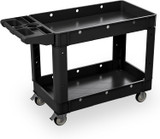
Restaurant Bus Cart Guide: Using a Utility Cart for Bussing
Every busy dining room hits the same wall at some point in a shift: dirty plates stack up, servers m …Oct 23, 2026