Pantry Organization Before After Made Practical
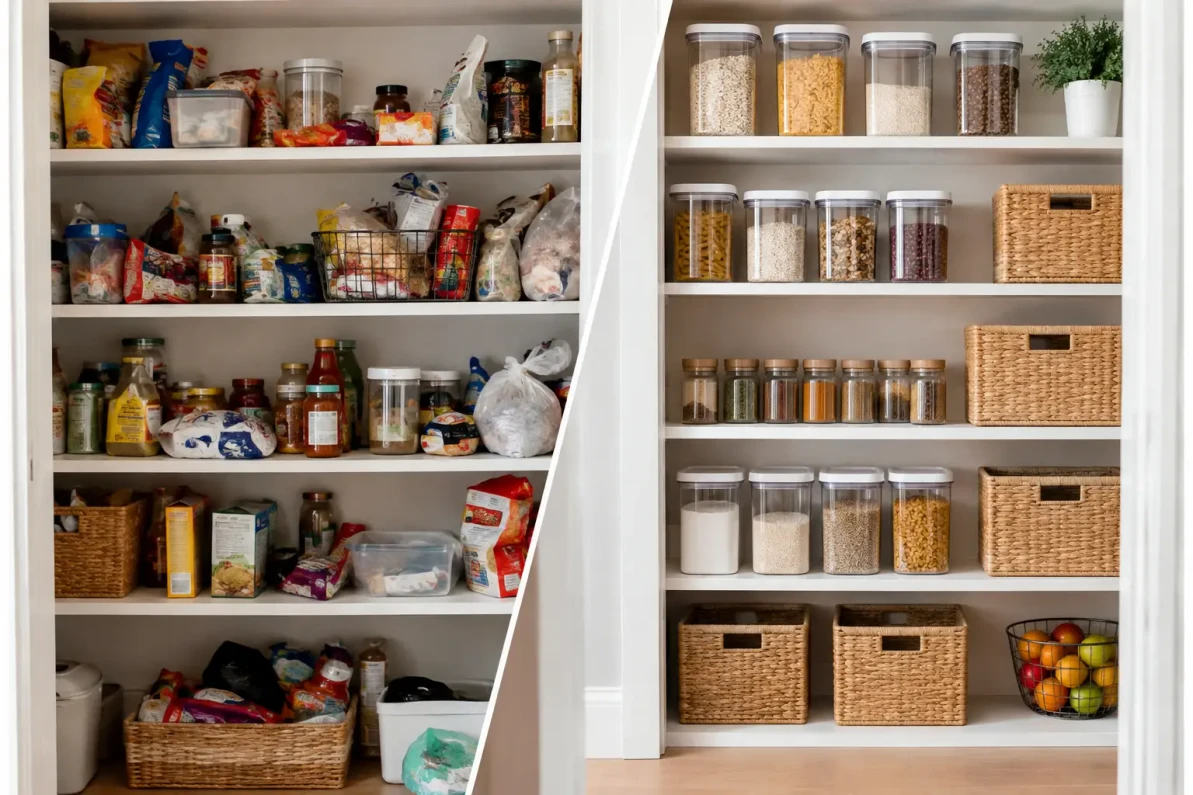
A successful pantry organization before after is not about making every shelf look like a showroom. It is about opening the door, finding what you need quickly, seeing what is running low, and keeping everyday groceries from getting buried behind duplicates. A few well-chosen storage pieces and a sensible layout can make a small pantry work harder without a full kitchen renovation.
Start With What the Before Is Telling You
The messy pantry usually has a pattern. Snack boxes slide behind canned goods, open bags spill into the corners, and bulk purchases take up space without a clear home. The result is wasted food, repeat purchases, and extra time spent searching while dinner is already underway.
Before buying bins or containers, remove everything from the pantry. Check dates, discard damaged packaging, and set aside items your household will not use. This is also the time to group similar foods: canned vegetables, pasta, baking supplies, breakfast foods, snacks, sauces, and beverages.
Pay attention to what actually creates clutter. A household that buys warehouse-size packs may need more open shelf space and larger bins. A small apartment pantry may benefit most from vertical storage and slim, stackable containers. The right setup depends on how you shop and cook, not on a one-size-fits-all organizing trend.
Measure shelves before choosing storage
Measure the width, depth, and clearance between shelves. This quick step prevents a common mistake: buying attractive bins that waste depth or containers that are too tall for the available shelf space.
Also consider the reach of the people using the pantry. Everyday items should sit between waist and eye level. Reserve high shelves for backup supplies, party goods, or seasonal baking items. Keep heavier products, such as canned goods and large bags of flour, on lower shelves where they are easier and safer to handle.
Build a Pantry Layout That Fits Daily Use
The best pantry organization before after results come from assigning each shelf a job. When every category has a defined zone, putting groceries away becomes faster and family members are more likely to return items to the right place.
Create zones based on use rather than trying to organize everything alphabetically. A practical layout might place breakfast items together, lunchbox snacks in one accessible area, cooking staples near each other, and baking supplies on a dedicated shelf. If you pack lunches or prepare quick meals during the week, those items deserve the easiest-to-reach space.
Use the front of each shelf for products you reach for often. Place extras behind them, with older packages in front when possible. This simple first-in, first-out routine reduces the chance that food expires unseen at the back of the pantry.
Choose open bins for categories, not individual products
Open-top bins are especially useful for loose packets, snack bars, seasoning mixes, gravy packets, and similar items that tend to spread across a shelf. Instead of handling every small item separately, pull out one bin and choose what you need.
Bins work best when they hold a broad, clear category. A label such as “Snacks,” “Pasta,” or “Baking” is easier to maintain than an overly specific system with a separate container for every variety. Clear bins make contents visible, while solid bins can give a calmer appearance if labels are easy to read.
Avoid packing bins too tightly. A bin that is full to the top becomes another obstacle, especially when people are rushing. Leave enough room to add groceries without rearranging the entire shelf.
Use clear containers where packaging causes problems
Airtight containers can make a major difference for dry goods that come in bulky bags or boxes. Rice, flour, sugar, cereal, oats, pasta, and pet food are common candidates. They create cleaner shelves, make quantities easier to see, and help prevent open packages from tipping over.
That said, transferring every grocery item into matching containers takes time and costs more. It makes sense for foods your household buys regularly and stores in larger amounts. For occasional purchases, original packaging and a simple category bin are usually more practical.
If you transfer food, label the container with the product name and, when useful, the best-by date. Keep preparation instructions for items that require them. A clean-looking container is only helpful if you can still identify what is inside and use it correctly.
Make Small Spaces Work Harder
A shallow pantry can still be functional, but it needs a layout that prevents items from disappearing in the back. Shelf risers can create a second level for cans, jars, and small bottles. This makes labels visible without stacking products into unstable towers.
Lazy Susans are useful for oils, vinegar, sauces, and small jars on deep or corner shelves. Turn the tray rather than moving several items to reach one bottle. For canned goods, dispensers can help maintain order, but only choose one if its dimensions fit your shelf and the can sizes you normally buy.
Door-mounted storage may be useful for lightweight packets, wraps, spices, or narrow bottles. Check door clearance before adding anything. A pantry door that will not close properly is not an upgrade.
For renters or anyone working with a temporary setup, freestanding shelf organizers, labeled bins, and stackable containers offer flexibility. They improve access without drilling into walls or permanently changing the pantry.
The After Should Be Easy to Maintain
The most impressive pantry transformation can fall apart within two grocery trips if the system requires too much effort. A workable after photo is not the goal. A pantry that stays useful on an ordinary Tuesday is.
Keep labels plain and readable. Consistent labels help everyone know where items belong, but perfection is not required. If children use the pantry, lower shelves can hold their approved snacks, breakfast choices, or school-lunch items. That makes the pantry easier for them to use independently and reduces the amount of searching through other categories.
Set a simple restocking rule. When an item is opened, move the next one forward. When the last backup is used, add it to the shopping list. This approach works better than buying extras without knowing what is already on hand.
A brief reset after grocery day is usually enough. Put new products directly into their zones, check that older items remain accessible, and break down empty boxes before they build up. Plan a deeper review every few months, especially before holiday baking, school schedules, or seasonal shopping changes.
Common Pantry Organization Mistakes
Overbuying containers is one of the most expensive mistakes. Start with the categories that cause the most trouble, then add storage only where it solves a real problem. Empty matching containers do not improve a pantry.
Another issue is using containers that are difficult to clean, too heavy when full, or awkward to open. Large glass containers can look polished, but they may not be the best option on high shelves or in a household where storage needs change often. Lightweight plastic bins and containers are often easier to lift, wipe down, and rearrange.
It is also easy to create zones that look logical but do not match actual habits. If the coffee supplies always end up on the counter, create a coffee zone near the pantry entrance. If kids consistently reach for snacks, do not store them behind baking ingredients. Organizing should follow how the household operates.
A Practical Shopping Checklist
Before purchasing pantry storage supplies, confirm four things: shelf measurements, the categories that need containment, how often each category is used, and whether the items need to be visible or airtight. These details narrow the choices quickly and help avoid storage products that do not fit your space.
For most pantries, a small starting set is enough: several open bins for loose packages, a few clear containers for frequently used dry goods, shelf risers for cans or jars, and labels that can be updated as needs change. Add more only after living with the new arrangement for a few weeks.
Easy Deal USA offers practical home organization and storage options for customers who want a cleaner, more usable pantry without paying for unnecessary extras. Focus on the pieces that improve access, fit your shelves, and make grocery day easier.
A pantry does not need matching containers from top to bottom to feel organized. Give every common item a sensible home, keep the most-used foods within reach, and choose storage that supports the way your household really shops and cooks.
Recent Posts
-
Frigidaire Fridge Door Shelf Rail Broken: Replace 240534901
If the door shelf rail on your Frigidaire refrigerator has cracked, snapped off or keeps popping loo …Nov 21, 2026 -
Storage Totes for Contractors: Truck and Jobsite Guide
Every contractor knows the cost of a disorganized truck. You drive to the job, then spend twenty min …Nov 21, 2026 -
How to Pack a Heavy Box for Shipping Without Blowouts
A heavy box fails in predictable ways. The bottom seam splits when someone lifts it, a corner crushe …Nov 21, 2026