Packaging Trends That Make Shipping Work Harder
A damaged shipment can erase the savings from a low-cost product in minutes. That is why current packaging trends matter most when they improve the basic job of a box, mailer, label, or filler: getting an order to its destination intact without wasting space, material, or labor.
For homeowners sending occasional packages, the right supplies can prevent a frustrating return. For online sellers, property managers, and warehouse teams, packaging choices affect shipping charges, packing speed, storage space, and customer satisfaction. The best approach is not copying every new look or material. It is choosing packaging that fits what you ship and how you ship it.
Packaging Trends That Affect Everyday Shipping
Right-sized packaging is replacing oversized boxes
One of the most useful shifts is toward right-sized packaging. Sellers are using smaller cartons, adjustable box sizes, mailers, and more precise void fill instead of placing every order into the next available large box.
This can reduce dimensional shipping charges, which are often based on package size as well as weight. A smaller box also takes up less shelf space before use and less room in delivery vehicles. For customers, it is easier to carry inside, open, and dispose of.
The trade-off is protection. A box should leave enough room for cushioning around fragile items. Glass, appliance parts, hardware with sharp edges, and products that can shift during transit may need a sturdier carton and more padding than soft goods or durable plastic items. Right-sized does not mean tight-packed. It means using the smallest package that still protects the order.
Paper-based materials are gaining ground
Paper mailers, kraft paper void fill, corrugated inserts, and recyclable paper tape continue to be popular choices. Many customers prefer packaging that is simple to separate and place in a recycling bin where local facilities accept it. Paper materials can also create a clean, practical presentation without adding unnecessary layers.
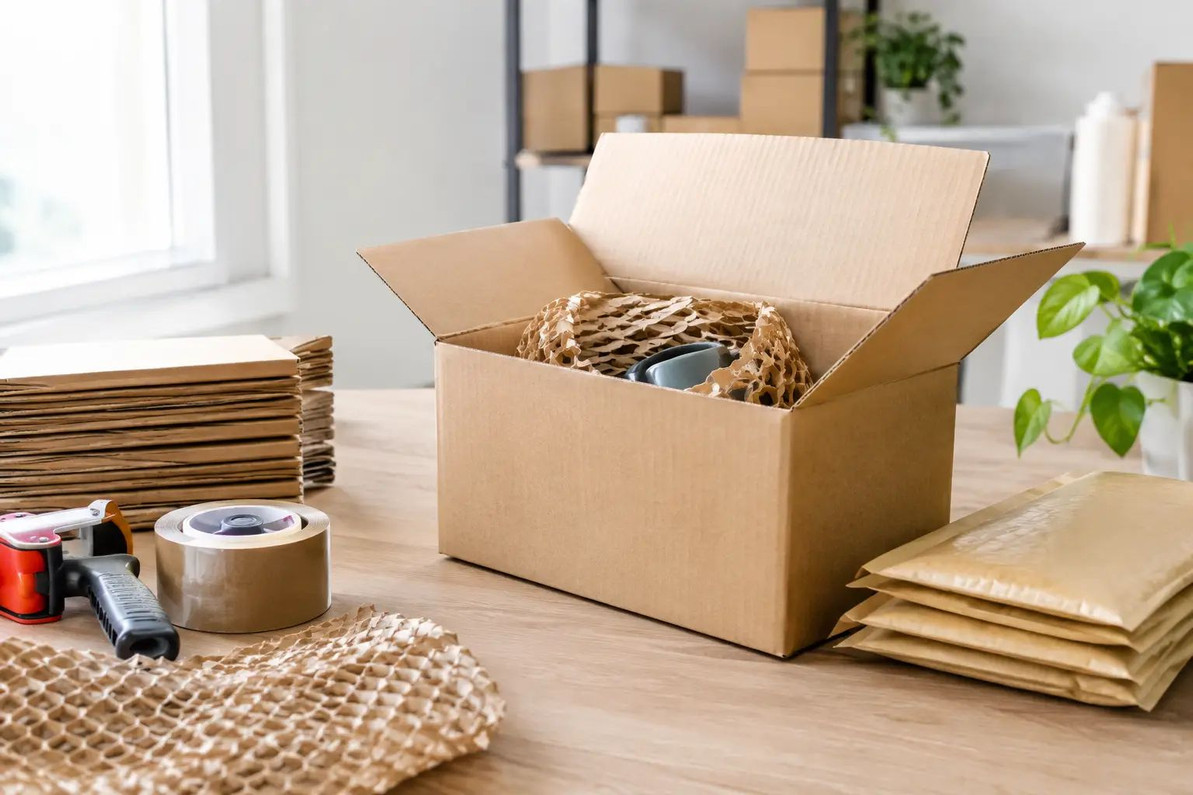
For many shipments, crumpled kraft paper or corrugated pads provide dependable cushioning. They work especially well for filling empty space in boxes, wrapping durable items, and separating multiple products in one order. Corrugated cardboard remains a practical choice because it is widely available, familiar to customers, and available in many strengths and sizes.
Still, paper is not automatically the best choice for every job. It can add weight, absorb moisture, and may not cushion delicate items as effectively as other materials when used in small amounts. For a fragile item, test the packed product before committing to a new packing method. A package that looks environmentally thoughtful but arrives damaged creates more waste, not less.
Reusable and recyclable packaging needs clear instructions
Packaging that can be reused or recycled is most helpful when customers know what to do with it. A plain cardboard box is easy to understand. Mixed-material packaging is less clear, especially when plastic film, foam, labels, and adhesives are combined.
For businesses, the practical goal is to avoid unnecessary material combinations where possible. If a padded mailer, box, tape, and insert are all needed, keep each item purposeful. Do not add decorative filler just because it looks good in a product photo.
Simple packing also helps returns. Customers are more likely to reuse a box or mailer when it opens cleanly and remains structurally sound. That can be valuable for e-commerce sellers that handle exchanges, warranty-related shipments, or returnable parts.
Tamper-evident details are becoming more common
Customers want to know whether a package has been opened before it reaches them. This does not always require expensive specialty packaging. A properly sealed carton, a label placed across an opening, or a mailer with a strong adhesive closure can provide a clear visual sign of interference.
The key is choosing closure methods that match the package weight and contents. Self-seal mailers are convenient for lightweight products. Heavy boxes, bulky household goods, and shipments with multiple items usually need quality packing tape applied across all major seams. The center seam alone may not be enough for a box under stress.
For warehouse teams, consistent tape application matters as much as tape type. A tape dispenser can improve speed and help create uniform seals when employees pack high volumes of orders.
Better labeling is part of the packaging process
Shipping labels are not just an address sticker. They connect the package to an order, carrier service, handling instruction, and return process. As fulfillment becomes more organized, clear and durable labeling remains one of the most important packaging trends for small businesses and high-volume shippers alike.
A label should be easy to scan, placed on a flat surface, and kept away from seams, edges, and tape wrinkles. Old labels and barcodes should be fully covered or removed when reusing cartons. If a label is printed on standard paper, it needs to be secured completely so corners do not lift during handling. Self-adhesive shipping labels can save time and create a cleaner result for frequent shippers.
For items that need special attention, handling labels can help communicate basic instructions. They are not a substitute for proper packaging, though. Marking a box "Fragile" will not protect an item that can move freely inside the carton.
How to Choose Packaging for What You Sell or Ship
Start with the product, not the packaging trend. Measure the item’s length, width, height, and weight. Then consider its shape, surface, breakability, and whether it has loose components. A compact appliance replacement part may ship safely in a padded mailer, while a similar-sized part with delicate fittings may need a small box with cushioning.
Next, think about the route. An item going across town may receive less handling than one traveling across the country through several sorting facilities. Heat, moisture, stacking pressure, and drops are all realistic conditions. Choose a packaging method that accounts for the more demanding trip, especially when replacement or return costs would be high.
Order size matters, too. Shipping one item at a time often calls for mailers and small cartons. Multi-item orders may require dividers, heavier boxes, or additional void fill so products do not collide. A warehouse shipping platform carts, folding furniture, or other larger goods has different needs than a seller shipping labels, hardware, and household essentials.
Before buying packaging in bulk, run a simple test. Pack a few representative orders, weigh and measure them, check how long packing takes, and inspect the results after normal handling. Compare the supply cost with the likely savings in shipping space, reduced breakage, and fewer customer complaints. The cheapest box is not always the lowest-cost option once labor and damage are included.
Practical Supplies That Support These Trends
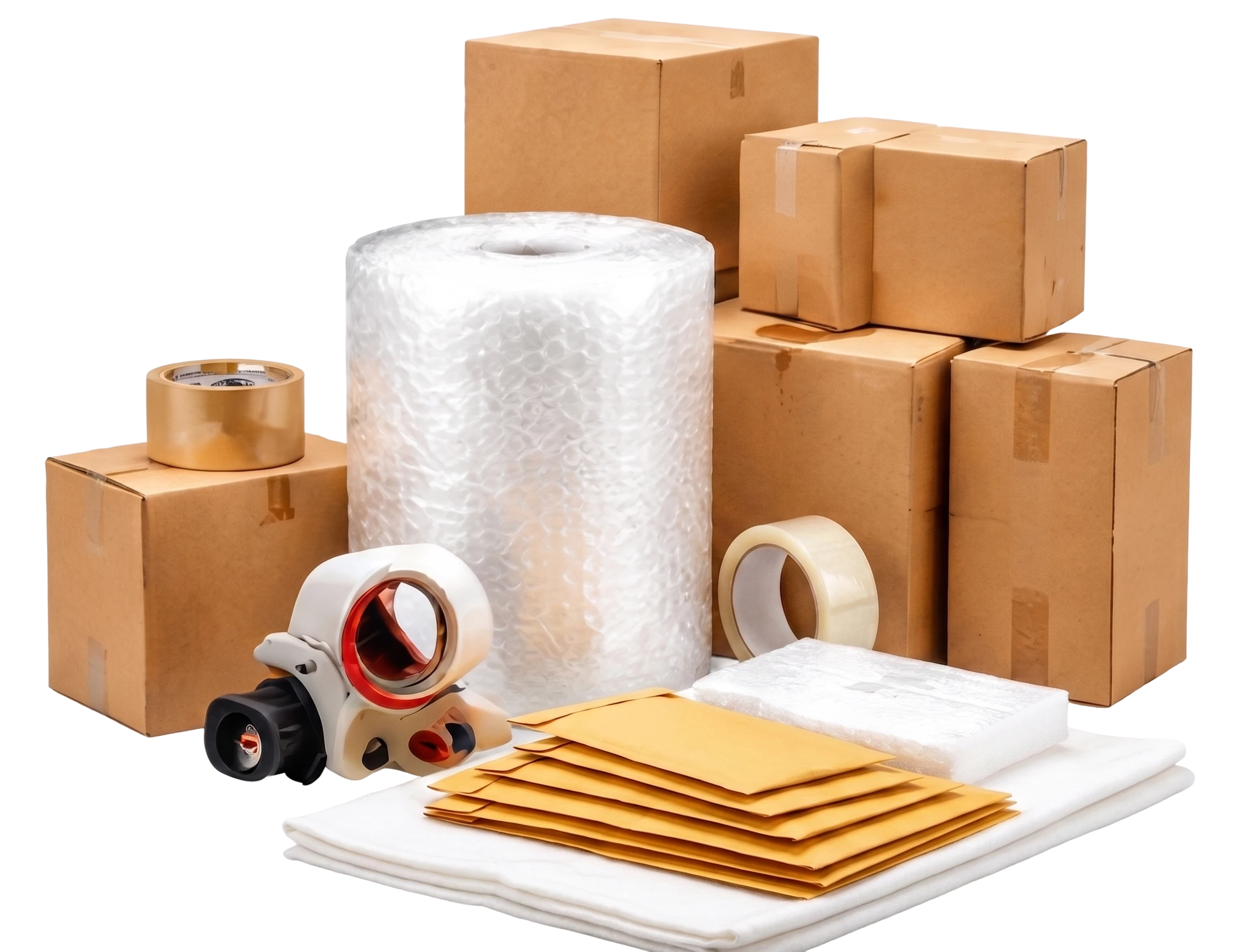
A useful packing station does not need to be complicated. It needs the supplies your team reaches for every day, stored where they are easy to use. For most home businesses and small operations, that includes a range of box sizes, padded or poly mailers for suitable items, packing tape, a tape dispenser, protective fill, shipping labels, and a marker or label printer.
Keeping several box sizes on hand is often more efficient than trying to make one carton work for every order. Flattened cartons can be stored on shelves or in a designated area, while labels, tape, and smaller supplies fit neatly in bins or drawers. A utility cart can also keep packing materials mobile in a garage, stockroom, or warehouse.
Easy Deal USA focuses on practical shipping supplies and workplace products that help customers pack, label, move, and organize orders without adding unnecessary complexity. When comparing supplies, check the package quantity, dimensions, adhesive type, and intended use rather than choosing only by price.
Avoid the Packaging Mistakes That Cost More Later
Overpacking is a common mistake. Extra layers may feel safer, but they can raise material costs, dimensional weight, and packing time. Underpacking creates the opposite problem: crushed corners, broken products, leaking contents, and costly returns.
Another issue is using damaged or weak boxes. Reusing a clean carton can be sensible for some shipments, but inspect it first. Avoid boxes with crushed corners, torn seams, soft spots, moisture damage, or old tape that cannot be removed. The box has already done part of its job, and its strength may be reduced.
Finally, do not treat packing as separate from inventory and fulfillment. If the products, labels, tape, and boxes are stored in different areas, every order takes longer to prepare. A compact, organized packing area improves accuracy and makes it easier to spot when supplies are running low.
The most useful packaging choice is usually the one that protects the product, fits the shipment, and is easy for your customer to handle after delivery. Start with one category of orders, improve the packing method, and build from there.
Recent Posts
-
How to Organize Toys With Clear Storage Bins
Toy clutter tends to peak right before the holidays, when birthday gifts from the year are still sca …Oct 23, 2026 -
Folding Chairs for Church Halls and Community Centers
Church halls, fellowship rooms and community centers ask more of their seating than almost any home. …Oct 23, 2026 -
Restaurant Bus Cart Guide: Using a Utility Cart for Bussing
Every busy dining room hits the same wall at some point in a shift: dirty plates stack up, servers m …Oct 23, 2026