
Ladder Stool Comparison for Safer Daily Tasks
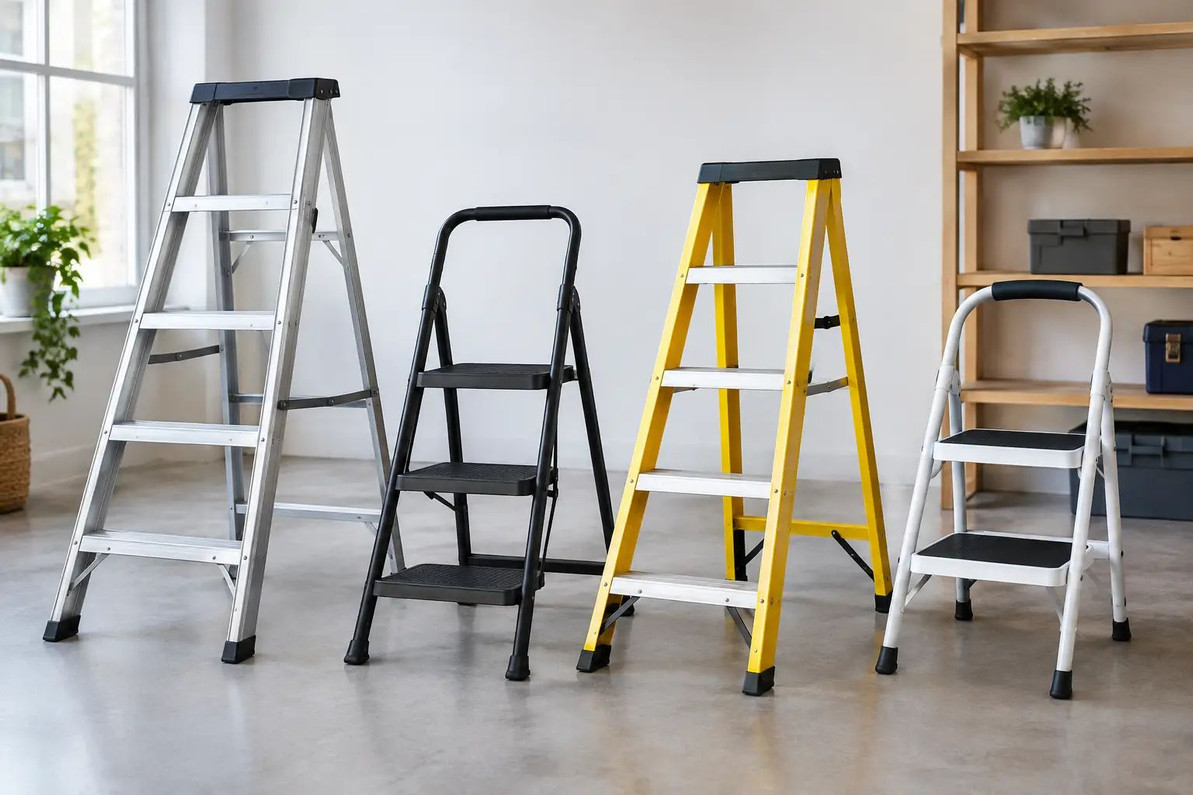
A ladder stool earns its place quickly when the item you need is just out of reach: a carton on a stockroom shelf, a ceiling vent, a top kitchen cabinet, or supplies in a garage. A useful ladder stool comparison starts with the job, not the appearance. The right model should give you stable footing at the height you actually use, then fold away without taking over the room.
For homeowners, one or two steps may cover most tasks. For warehouse, retail, maintenance, and property-management work, a taller step stool with a support rail may be the more practical choice. Looking at height, capacity, platform design, footprint, and storage will help you buy once instead of replacing an undersized stool later.
Ladder Stool Comparison: Start With Working Height
The number of steps does not directly tell you how high you can reach. Your standing height, arm reach, and the height of the task all matter. A one-step stool is ideal for low cabinets, beds, vehicles, and everyday household access. A two-step stool usually handles upper cabinets, closet shelves, and common office storage. Three-step and four-step designs are better suited to higher shelving, light maintenance, and work areas where a standard step stool is used regularly.
Avoid choosing a taller stool simply because it seems more versatile. Extra height can make a stool larger, heavier, and harder to store. It may also be awkward in a narrow kitchen, utility closet, or crowded aisle. Choose the lowest height that lets you complete the task while standing comfortably rather than stretching, leaning, or standing on an unsuitable surface.
When comparing product dimensions, check both the open and folded size. Open dimensions tell you whether the stool fits the work area. Folded dimensions tell you whether it can slide beside a refrigerator, hang in a utility room, fit in a vehicle, or store in a maintenance closet.
Weight Capacity Means More Than Body Weight
A ladder stool's listed weight capacity should cover the person using it plus anything they carry. For example, someone changing supplies in a shop may be holding a box, tools, or cleaning materials. That extra load counts.
Capacity also needs to match the setting. A compact household stool may work well for occasional use at home, while a commercial work area often benefits from a sturdier model intended for frequent climbing. Do not treat the capacity rating as a target to reach. Staying comfortably below it is the sensible approach, especially when tasks involve carrying items up or down.
If more than one person will use the stool, buy for the largest realistic user and the heaviest typical load. This is particularly useful for rental properties, offices, retail backrooms, and shared workshops, where equipment needs to work reliably for different people.
Frame Material and Everyday Handling
Steel step stools are often a practical option when you want a solid feel and dependable support for regular chores. They can be a good fit for garages, stockrooms, utility spaces, and commercial settings. Aluminum designs are typically lighter to carry, which can be helpful for mobile maintenance work or customers who need to move the stool room to room.
The better material depends on how the stool will be handled. If it stays near one workbench or shelf, a heavier construction may be no issue. If it must be carried upstairs, loaded into a service vehicle, or moved throughout a large building, lower weight becomes more valuable. Check the product weight as well as the capacity. A sturdy stool that is difficult for the intended user to move may not get used when it is needed.
Compare Treads, Platforms, and Hand Support
The step surface is where comfort and confidence come from. Narrow steps can be adequate for short, occasional tasks, such as reaching a pantry item. Wider treads provide more foot space and can feel more secure during longer chores like organizing shelves, cleaning, painting trim, or sorting inventory.
Look for textured, ribbed, or non-slip tread surfaces designed to improve traction. This matters in garages, laundry rooms, entry areas, and workspaces where dust or moisture can make smooth surfaces less forgiving. Keep treads clean so their grip is not covered by oil, mud, packaging debris, or spilled product.
A top platform can be more comfortable than a conventional final step, especially when the user needs to stand still and work with both hands. If you are comparing taller folding stools, a platform-style top step is often worth considering for repetitive jobs.
Handrails and support handles are not necessary for every low stool. However, they can make a meaningful difference for higher steps, repeated use, or users who prefer a more secure point of contact while climbing. A support rail may also make a taller stool a better choice for a workplace where several employees use the same equipment. The trade-off is a larger stored size and, sometimes, more weight.
Folding Designs vs. Fixed Step Stools
Folding ladder stools are usually the best match for homes, apartments, offices, and businesses with limited storage. They are easy to tuck into a closet, behind a door, beside shelving, or in a supply area. For many buyers, a slim folded profile is the deciding feature.
A fixed step stool can make more sense when it has a permanent role. Think of a library shelf, warehouse picking station, workshop bench, or retail counter area. Because it is always ready, it can reduce the temptation to stand on a chair, carton, bucket, or rolling cart. The downside is that it occupies floor space even when no one is using it.
For folding models, check how the opening and closing mechanism works. It should feel straightforward, and the stool should sit fully open on the floor before use. Do not use a partially folded stool or force a mechanism that is jammed by debris or damaged parts.
Match the Footprint to the Workspace
A larger base can provide a more planted feel, but it must fit where the job happens. Measure narrow hallways, closet openings, kitchen aisles, shelving gaps, and storage bays before ordering. A stool that looks compact online may still be too wide when open for the space between a worktable and a rack.
Pay attention to the feet as well. Non-marring or slip-resistant foot caps can help protect finished flooring and reduce movement on smooth surfaces. On uneven ground, a ladder stool is generally the wrong tool. Move the work to a level surface when possible, or use equipment specifically suited to the task and location.
For warehouses and shops, think about traffic flow. A stool should not be left in an aisle where carts, dollies, or people need to pass. A designated storage spot keeps it available while helping the work area stay organized.
Practical Choices by Common Task
For quick indoor household use, a compact one-step or two-step folding stool is often enough. It is convenient for closets, cabinets, laundry shelves, and light organizing tasks without requiring much storage space.
For cleaning, decorating, and routine maintenance, a two-step or three-step model with wide treads gives more flexibility. If the work lasts longer than a minute or two, comfort underfoot becomes more than a small detail.
For stockrooms, packing areas, workshops, and property maintenance, consider a taller model with a stable platform, suitable capacity, and a handrail if users will climb frequently. These features can be more useful than an ultra-slim profile when the stool is part of a daily workflow.
For mobile crews or anyone carrying equipment between locations, compare folded thickness and product weight closely. A lightweight folding stool that stores easily in a vehicle may be the most efficient option, provided its capacity and step height fit the work.
Use It Correctly After You Buy
Even a well-chosen ladder stool needs basic care. Set it on a clean, level floor and make sure all feet contact the surface. Open folding designs completely, keep both feet on the steps or platform, and face the stool when climbing. Avoid overreaching. It is faster and safer to climb down and reposition the stool than to twist or lean sideways.
Inspect the stool periodically for loose hardware, bent steps, worn foot caps, damaged treads, or problems with the folding mechanism. Remove a damaged stool from service until it can be properly addressed. This is especially important for shared workplace equipment, where wear may be missed from one user to the next.
The best ladder stool is not necessarily the tallest or the heaviest. It is the one that fits your reach, your space, your usual load, and the way you work. A careful comparison now can turn a small everyday purchase into a safer, more useful tool for years of routine tasks.
Recent Posts
-
How to Organize Toys With Clear Storage Bins
Toy clutter tends to peak right before the holidays, when birthday gifts from the year are still sca …Oct 23, 2026 -
Folding Chairs for Church Halls and Community Centers
Church halls, fellowship rooms and community centers ask more of their seating than almost any home. …Oct 23, 2026 -
Restaurant Bus Cart Guide: Using a Utility Cart for Bussing
Every busy dining room hits the same wall at some point in a shift: dirty plates stack up, servers m …Oct 23, 2026
