
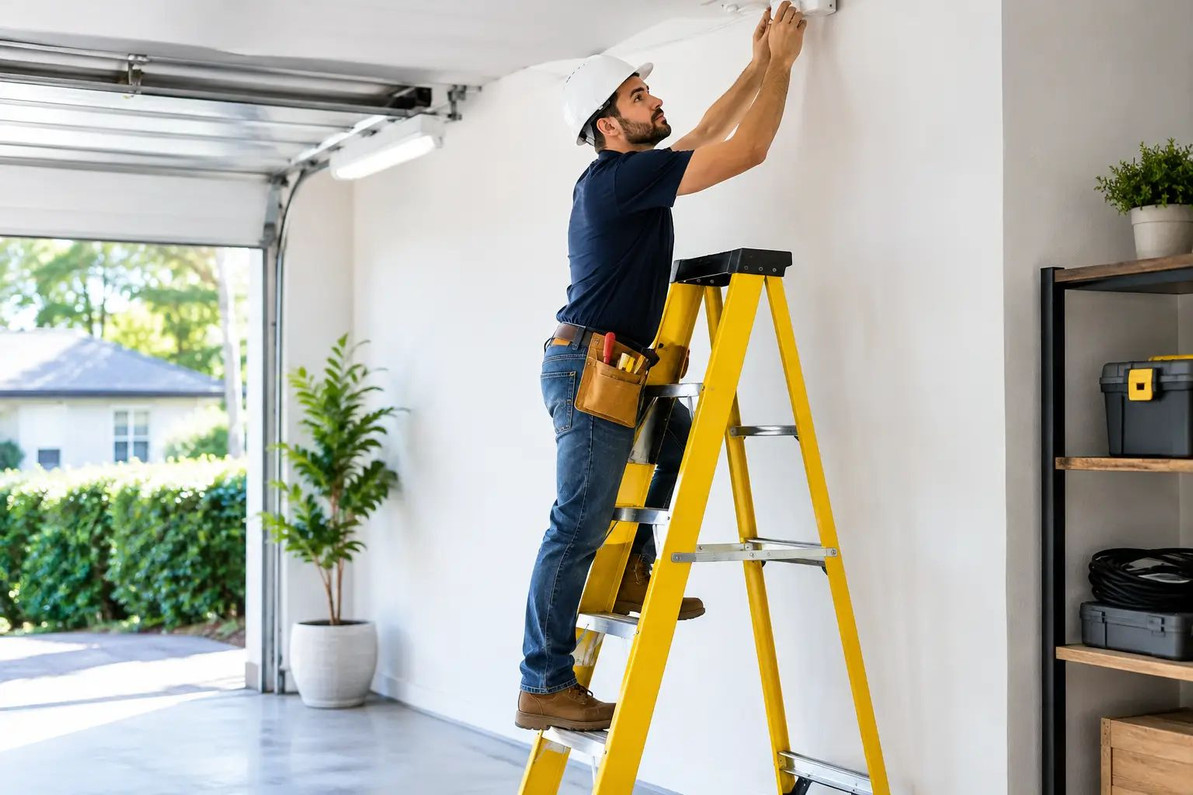
Ladder Safety Guide for Home and Work Use
A ladder can turn a five-minute job into a serious problem when it is the wrong size, placed on an unstable surface, or used as a shortcut. This ladder safety guide covers the decisions that matter before you climb: selecting the right style, checking its condition, setting it up correctly, and knowing when a ladder is not the right tool for the job.
For homeowners, maintenance teams, warehouse staff, and contractors, safe ladder use starts before the ladder leaves storage. A dependable ladder is practical equipment, but its capacity, height, material, and setup all need to match the work being done.
Choose a Ladder That Fits the Job
The safest ladder is one that lets you reach the work without stretching, leaning sideways, or standing near the top. That means choosing for working height, not just the number printed in the product name. A 6-foot step ladder, for example, is often suitable for common indoor tasks, but it may not provide a safe working position for a high exterior fixture or elevated storage rack.
Start with the ladder style. Step ladders are self-supporting and work well for indoor repairs, painting, stocking, and household maintenance. Extension ladders are designed to lean against a stable support and are useful for roofs, gutters, upper-story work, and tall outdoor walls. Platform ladders can provide a larger standing area for longer tasks, while rolling warehouse ladders are better suited to frequent access to shelving when the work area is level and organized.
Check the duty rating and weight capacity before purchasing or using any ladder. The stated capacity needs to cover the user plus clothing, tools, and materials carried up the ladder. A person may weigh well below the rating, but a tool belt, power tool, box of supplies, or bucket can add meaningful weight. Never assume a light-looking ladder is appropriate for commercial or repeated use.
Material also matters. Aluminum ladders are lightweight and convenient for many household and general maintenance tasks. However, they should not be used where they could contact electrical sources. Fiberglass ladders are commonly chosen for work around electricity, but they still need to be dry, clean, and inspected. Fiberglass is not a reason to take chances around exposed wiring or wet conditions.
Inspect the Ladder Before Every Use
A quick inspection takes less time than recovering from a damaged ladder or replacing a dropped tool. Check the ladder before each shift, before a major task, and after it has been moved or stored roughly.
Look over the rails, rungs, steps, spreaders, hinges, feet, fasteners, and locks. On an extension ladder, make sure the rope, pulley, rung locks, and guides operate correctly. On a step ladder, confirm that the spreaders lock fully open and do not bend or slip under pressure.
Remove the ladder from service if you find cracked rails, bent steps, loose rivets, missing feet, damaged locks, frayed rope, significant corrosion, or oil and paint that make the climbing surfaces slippery. Do not try to straighten a bent aluminum ladder or make an improvised repair with tape, wire, or loose hardware. A damaged ladder may look usable at ground level but fail when weight is applied.
Keep ladders clean. Mud, grease, wet leaves, packing debris, and overspray can reduce traction on both the steps and the feet. For businesses, designate a visible storage area so ladders are less likely to be buried under carts, boxes, or other equipment.
Set Up on Solid, Level Ground
Most ladder incidents begin with poor placement. Put the ladder on a firm, level surface that can support the ladder and the person using it. Avoid loose gravel, slick tile, soft soil, stacked pallets, cardboard, and uneven ramps. Never raise a ladder by placing it on a box, table, scaffold, platform cart, or other object to gain extra height.
For a step ladder, open it completely and lock both spreaders before climbing. All four feet should contact the ground. A step ladder is not meant to be used folded and leaned against a wall unless its manufacturer specifically designed it for that configuration.
For an extension ladder, use the 4-to-1 setup rule as a practical starting point. Place the base about 1 foot away from the wall for every 4 feet of ladder working height to the support point. If the ladder rests 16 feet up a wall, position the base about 4 feet out. This angle helps prevent the bottom from sliding out and reduces stress on the rails.
The top of an extension ladder should rest on a solid surface, not a window pane, gutter, loose trim, or narrow pipe. When accessing a roof or elevated landing, the ladder should extend above the landing enough to provide a secure handhold while stepping on or off. Secure the ladder when the task, location, or traffic creates a risk of movement.
Keep the area around the base clear. In homes, watch for doors, pets, children, hoses, and clutter. In warehouses or job areas, keep carts, dollies, forklifts, and foot traffic away from the ladder. If a doorway must remain in use, choose another location or control access so no one can open the door into the ladder.
Climb and Work Without Overreaching
Face the ladder every time you climb down or up. Maintain three points of contact: two feet and one hand, or two hands and one foot. This is easier when you carry materials in a tool belt, pouch, or hoist rather than in your hands.
Keep your belt buckle between the ladder rails. If you need to reach farther to the side, climb down and move the ladder. Repositioning may feel inefficient, especially for a short task, but it is the safer and faster choice compared with trying to correct a shifting ladder from above.
Do not stand on the top cap of a step ladder. Avoid standing on the step directly below the top cap unless the ladder instructions specifically allow it. On extension ladders, stay below the highest permitted standing level. These limits exist because the upper section provides less room for balance and may not offer a secure handhold.
Only one person should be on a ladder unless it is specifically designed and rated for more than one user. Do not shift, bounce, slide, or walk a ladder while someone is on it. A helper can steady or secure a ladder during setup, but a helper is not a substitute for stable ground, correct angle, and proper locking hardware.
Weather changes the decision. Rain, high winds, ice, and wet surfaces can make outdoor ladder work unsuitable. Indoors, wet floors, freshly cleaned areas, and dusty concrete can create the same slipping risk. Delay the task when conditions do not allow stable footing.
Avoid Common Shortcuts
Many unsafe practices are familiar because they seem to work once or twice. That does not make them safe for the next job. Do not use a ladder horizontally as a bridge, vertically as a makeshift support, or as a work platform unless it was built for that purpose.
Avoid using an extension ladder at a shallow angle to reach far across a roofline. Avoid climbing with oversized boxes that block your view or prevent three points of contact. Do not use a step stool or small household ladder for warehouse shelving, exterior maintenance, or tasks beyond its intended height and capacity.
For frequent picking, inventory, or facility maintenance, it may make more sense to use a purpose-built rolling ladder, platform ladder, or material-handling setup. The right equipment can reduce repeated climbing, keep supplies within reach, and make the work area easier to organize.
Store Ladders So They Stay Ready
Store ladders where they are protected from moisture, vehicle impacts, and heavy items placed on top of them. Support long ladders at multiple points to help prevent warping. Keep them away from areas where they can become a tripping hazard or fall when bumped.
Before storing an extension ladder, lower it carefully, check that the rope is secured, and keep the hardware free from dirt. For step ladders, fold them only after they are dry and free of debris. A simple routine of cleaning, inspection, and proper storage extends the useful life of equipment and makes the next task easier to start safely.
A ladder should make a task more reachable, not make a risky task seem acceptable. Choose a ladder with the right height and capacity, set it on stable ground, and take the extra minute to move it when your work position changes.
Recent Posts
-

Foam Play Mat Setup Guide for Babies and Toddlers
Once a baby starts rolling, scooting and crawling, the floor becomes the main play area, and hard fl …Oct 24, 2026 -

Folding Table as a Desk: Home Office Setup Guide
Not every home has room for a permanent desk, and not every work-from-home setup needs one. Using a …Oct 24, 2026 -
Duct Tape vs Packing Tape: Which to Use and When
You are halfway through packing a stack of boxes and the packing tape runs out, but there is a roll …Oct 24, 2026