How to Secure Moving Boxes for a Safer Move
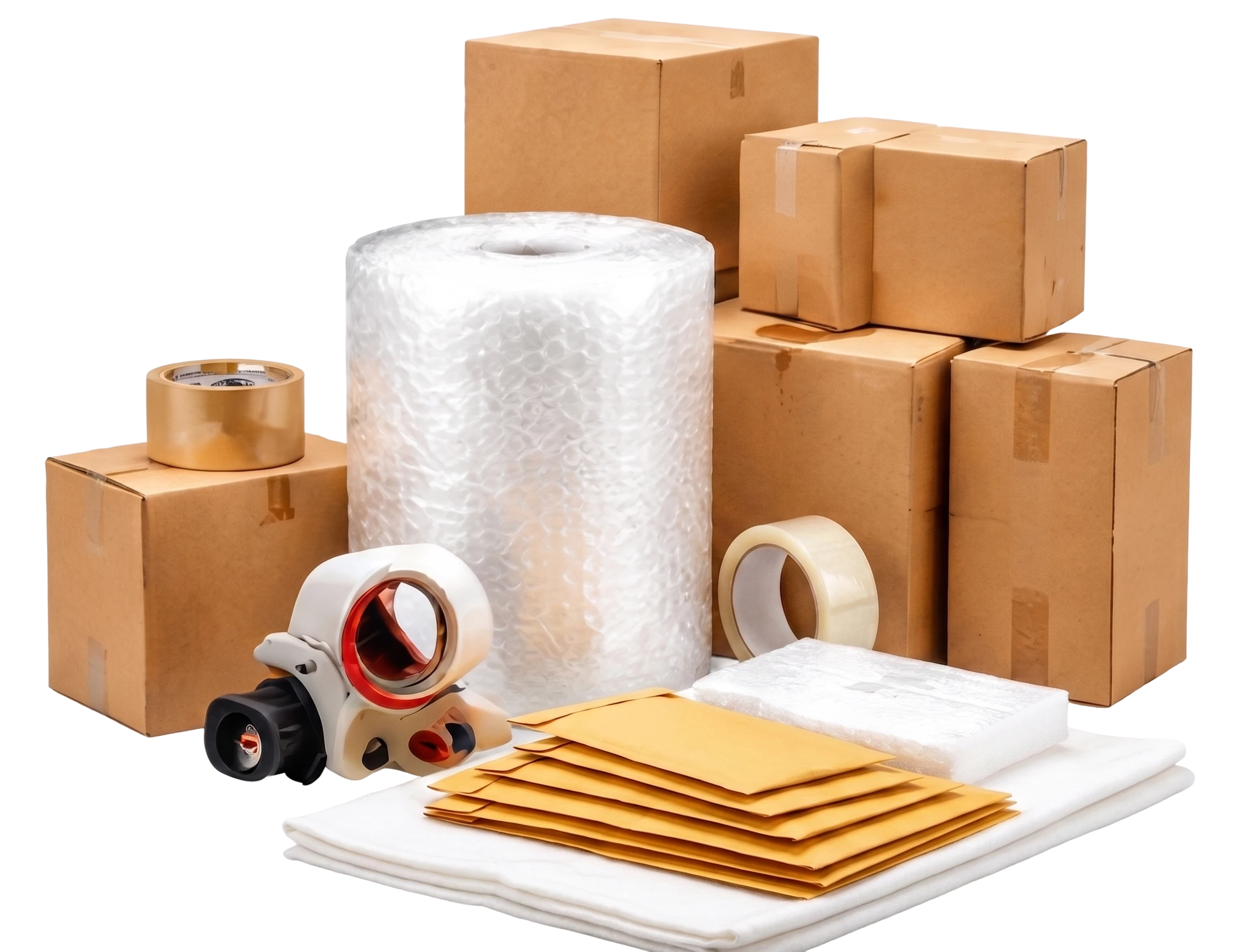
A moving box usually fails at the worst possible moment: halfway down a stairway, at the bottom of a hand truck, or after it has been stacked under other boxes in a truck. Learning how to secure moving boxes is less about using more tape and more about matching the box, packing materials, closure, and load to the job. A few careful steps can prevent split bottoms, crushed contents, and frustrating unpacking delays.
Start With a Box That Can Handle the Load
Tape cannot turn a weak, damp, or damaged box into a dependable moving container. Before packing, check every box for soft spots, crushed corners, torn seams, or old tape that is pulling away from the cardboard. Reuse boxes only when they are clean, dry, and still hold their shape firmly.
Choose the box size based on weight as well as item size. Small boxes are the better choice for books, canned goods, tools, hardware, and other dense items. Medium and large boxes work best for lighter, bulkier belongings such as linens, pillows, lampshades, and clothing. Filling a large carton with heavy items may save boxes, but it also creates a load that is difficult to lift and more likely to break through the bottom.
For frequently moved items or heavy business inventory, double-wall boxes provide additional stiffness. They cost more than basic single-wall cartons, so they are most useful when the contents are heavy, valuable, or likely to be stored for a while. For a short local move, a clean standard moving box may be all that is needed for lighter household goods.
How to Secure Moving Boxes With Tape
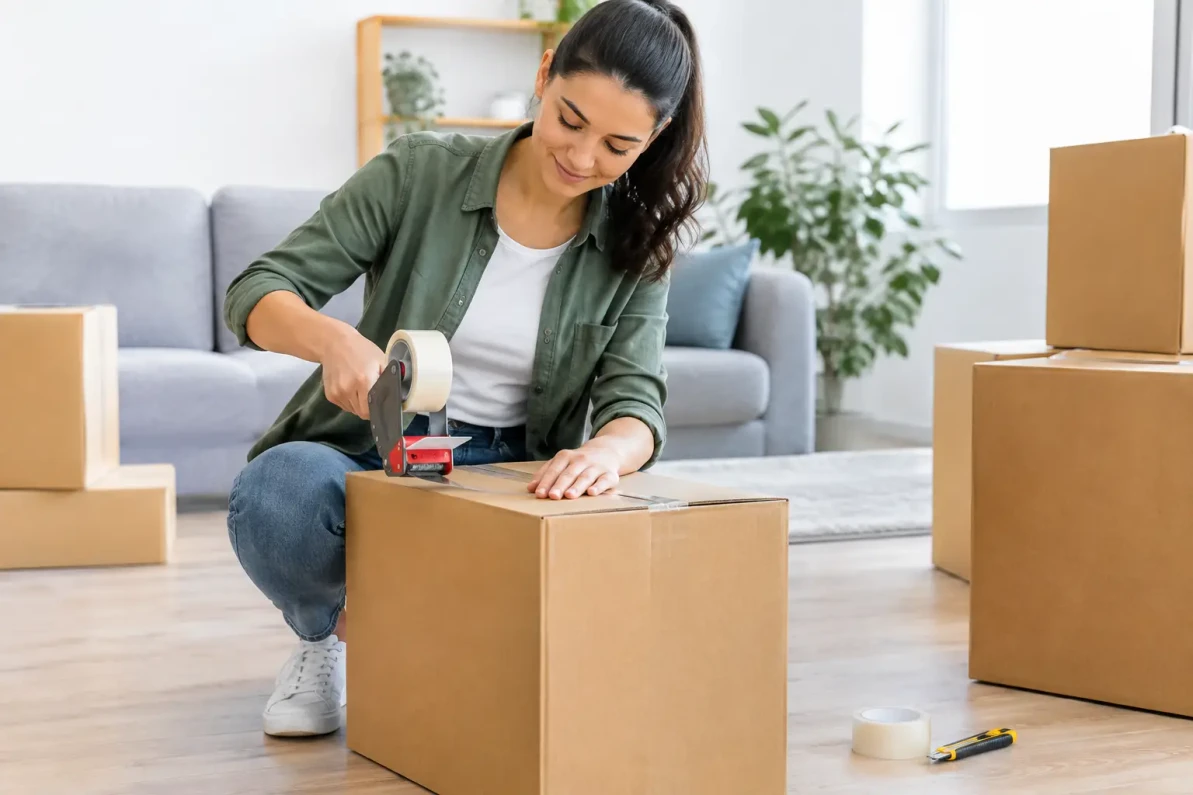
The bottom seam is the first area to reinforce. Fold the bottom flaps so they meet evenly, then apply packing tape down the center seam. Extend the tape several inches up each side of the box rather than stopping exactly at the edge. This gives the tape more surface area to hold when the box is lifted.
For most moving boxes, use the H-tape method. After sealing the center seam, run tape across both outer edges of the bottom flaps. The finished pattern looks like a capital H. This reinforces the areas where the flaps meet the side panels and helps keep the bottom from opening under load.
Use quality carton-sealing tape designed for packing and shipping. Masking tape, painter's tape, and ordinary household tape are not reliable choices for loaded boxes. They may peel away from cardboard, especially when boxes are exposed to heat, cold, humidity, or repeated handling. Clear or tan packing tape in an appropriate width is easier to apply neatly and is generally strong enough for standard household cartons.
Do not assume extra layers of tape solve every problem. If a box is overfilled, too heavy, or already weakened, wrapping it repeatedly can make it harder to handle without fixing the real issue. Repack the contents into a smaller box or divide the weight between two boxes instead.
Seal the Top After Testing the Fit
Once a box is packed, fold the top flaps closed without forcing them. If the flaps bow upward or do not meet, remove a few items or move them to another carton. A top that must be pressed down hard puts constant strain on the tape and can pop open during loading.
Seal the top using the same H-tape method. One center strip and two edge strips are usually enough for a properly packed standard box. For heavier cartons, use an additional strip across the center or wrap the tape slightly farther down the side panels. Keep tape smooth and firmly pressed onto the cardboard so air gaps do not weaken the bond.
Pack the Interior So Contents Cannot Shift
A sealed box can still be damaged if the items inside are loose. Empty space allows belongings to slide, collide, and concentrate their weight against one side of the carton. The goal is a full box with a level top, not a box packed as tightly as possible.
Place heavier items on the bottom and lighter items on top. Use packing paper, bubble cushioning, foam, or clean towels to fill gaps between fragile items. Plates, glasses, framed items, and small appliances need individual cushioning as well as padding around the outside edges of the box. The cardboard is only one layer of protection.
For oddly shaped items, build a stable base first. A box with a rounded or uneven object at the bottom may tilt when stacked or rolled on a dolly. Put dense, flat items at the base when possible, then use cushioning material to keep the upper contents from moving.
Before sealing, gently rock the box from side to side. If you hear or feel contents shifting, add filler material. This quick test is especially useful for kitchenware, office equipment, tools, and shipments that may be handled several times before reaching their destination.
Keep Box Weight Practical
There is no single safe weight for every person, box, or moving situation. A manageable carton for one person may be too much for another, and a box that is easy to carry across a room may be awkward on stairs. The practical rule is simple: if you cannot lift and carry the box with control, reduce the load.
Mark especially dense boxes as “Heavy” on at least two sides. This gives anyone helping with the move a clear warning before they lift. Avoid filling large cartons with books, files, hand tools, or metal parts just because the items fit. Small boxes with secure bottoms are more efficient and easier to stack safely.
If you are moving many heavy boxes, use equipment suited to the route. A hand truck, platform cart, or furniture dolly can reduce repeated lifting and make it easier to move grouped cartons across garages, hallways, offices, and storage areas. Secure stacked boxes so they remain stable, and do not build a load so tall that you cannot see ahead while moving it.
Label Every Side That Will Be Visible
A label is part of securing a moving box because it helps prevent poor handling. Write the destination room, a short description of the contents, and any handling instruction that matters, such as “Fragile,” “This Side Up,” or “Do Not Stack.” Put the information on more than one side so it remains visible after boxes are loaded.
Use a dark permanent marker on light cartons, or apply shipping labels that are easy to read at a glance. If you are moving a home, a color system can speed up unloading: one color for the kitchen, another for bedrooms, and another for storage. For small businesses or warehouse moves, include a box number and a basic contents range, such as “Office Supplies 1 of 4.”
Avoid vague labels like “Miscellaneous” whenever possible. They create more work during unpacking and make it easy to place a box in the wrong room. Specific labels also help you find essentials quickly when you need a phone charger, cleaning supplies, tools, or important work materials before everything is unpacked.
Load Boxes to Protect the Seams and Corners
Even a well-packed box needs careful loading. Place heavier boxes on the bottom of stacks and lighter boxes on top. Keep boxes upright unless their labels state otherwise, particularly cartons holding dishes, electronics, or items packed in a specific orientation.
Use the truck or storage area walls as support, but do not crush boxes tightly against them. Fill major gaps with lighter, soft items so cartons cannot slide during transport. Avoid stacking boxes with uneven tops or damaged corners, since they can shift and transfer weight to weaker cartons below.
When using a cart or dolly, keep the load centered over the platform. A box hanging off one side can catch on door frames or tip during turns. For multiple boxes, place the largest and heaviest cartons closest to the cart frame, then secure the stack with an appropriate strap if the equipment and route call for it.
Common Mistakes That Lead to Broken Boxes
Most box failures come from a few predictable problems: using damaged cartons, relying on weak tape, leaving open space inside, overloading large boxes, or stacking weight on top of fragile contents. Rushed labeling can also cause avoidable damage when a box meant to stay upright gets laid on its side.
Another common mistake is carrying boxes by the taped bottom or by hand holes that have begun to tear. Support the box from underneath whenever possible. If the cardboard feels flexible or the bottom seam starts to separate, stop and reinforce or repack it before continuing.
A carefully secured moving box makes every stage of a move easier, from loading a utility cart to finding what you need on the first night. Take an extra minute to test the box, seal the seams, and label it clearly. That small bit of preparation is usually far less work than cleaning up after a box gives out.
Recent Posts
-
Frigidaire Fridge Door Shelf Rail Broken: Replace 240534901
If the door shelf rail on your Frigidaire refrigerator has cracked, snapped off or keeps popping loo …Nov 21, 2026 -
Storage Totes for Contractors: Truck and Jobsite Guide
Every contractor knows the cost of a disorganized truck. You drive to the job, then spend twenty min …Nov 21, 2026 -
How to Pack a Heavy Box for Shipping Without Blowouts
A heavy box fails in predictable ways. The bottom seam splits when someone lifts it, a corner crushe …Nov 21, 2026