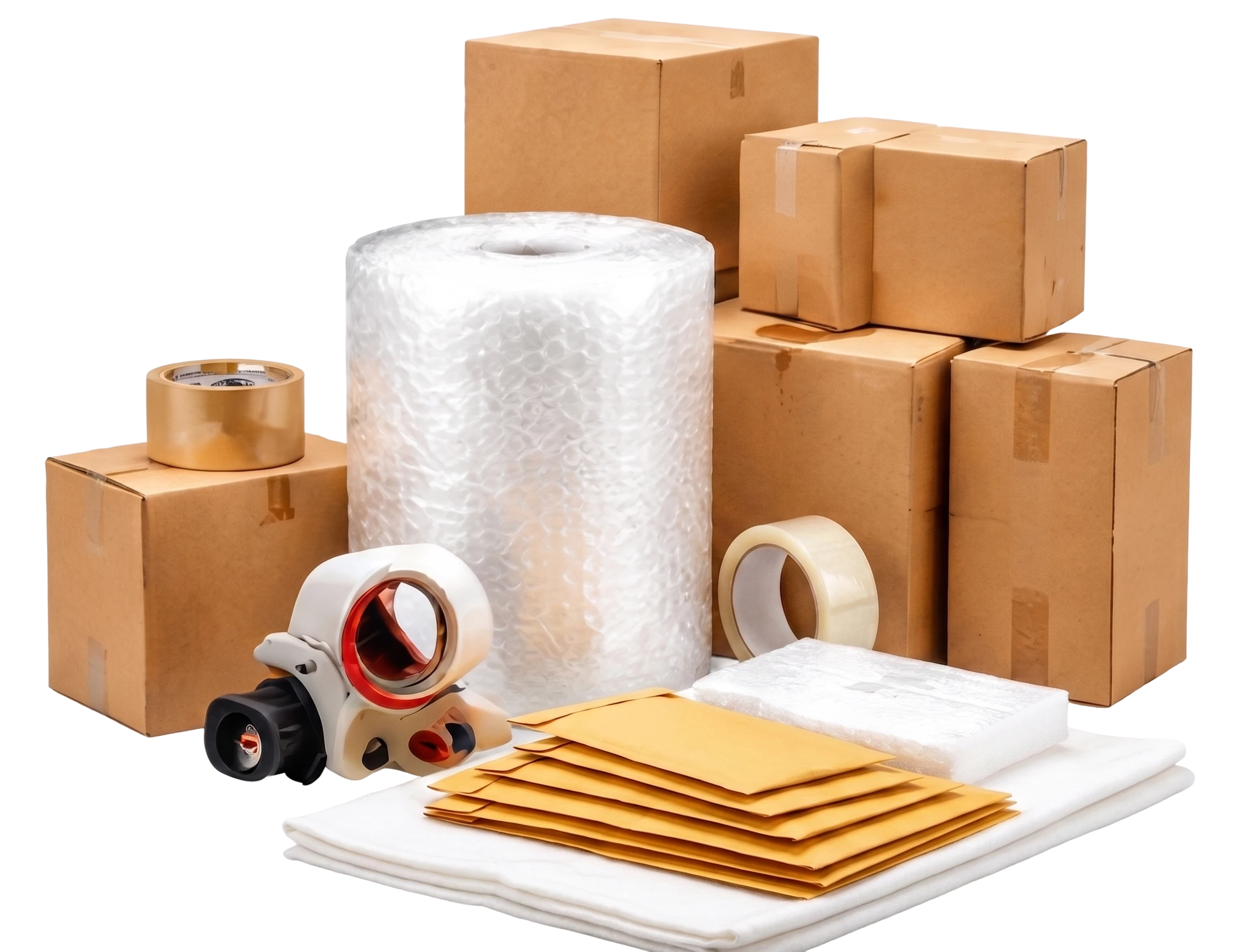

How to Label Warehouse Shelves for Faster Picking
A picker should be able to find a product location without asking a supervisor, checking three different spreadsheets, or scanning every aisle. That is the practical goal of learning how to label warehouse shelves. Clear shelf labels reduce wasted walking, prevent picking errors, simplify restocking, and make a busy storage area easier for new employees to understand.
The best labeling system is not necessarily the most complicated one. It is the one your team can read quickly, maintain consistently, and use with the equipment and software already in place. A small e-commerce stockroom may need large, easy-to-read aisle and bin labels. A larger warehouse may need scannable barcodes and a more detailed location format.
Start With a Logical Warehouse Location System
Before printing a single label, decide how each shelf location will be identified. Labels work only when the code follows a pattern that makes sense on the floor.
A common format is Aisle-Bay-Level-Position. For example, `A03-B12-L02-P04` could mean aisle 3, bay 12, second shelf level, and fourth position across. For a smaller operation, a simpler code such as `A3-12-2` may be all that is needed.
Use a sequence that matches the way people move through the warehouse. Number aisles in travel order, then number bays from one end of each aisle to the other. Keep the same direction throughout the building. If bay numbers run left to right in one aisle and right to left in the next, employees will lose time and make avoidable mistakes.
Think about what the location code needs to tell a worker. In most cases, it should identify the physical space, not the product stored there. Products can change, but a shelf location should remain stable. That makes inventory moves, replenishment, and seasonal resets much easier to manage.
Keep Location Codes Short Enough to Read
Long codes may be precise, but they are harder to read from a cart or while carrying a box. Use only as many characters as your operation truly needs. A warehouse with 10 aisles does not need three-digit aisle numbers. A single shelving unit with four levels does not need a complex rack designation.
Avoid codes that can be confused at a glance. Letters such as I and O can look like 1 and 0, especially on small printed labels. Clear formatting and consistent capitalization help prevent scan and entry errors.
How to Label Warehouse Shelves by Zone and Level
Divide the warehouse into clearly defined zones before labeling individual shelves. Zones might be based on product type, order volume, storage temperature requirements, packing supplies, returns, or oversized goods. Even a modest warehouse benefits from a designated receiving area, active pick area, reserve storage area, and shipping supply section.
Start with large zone markers that are visible from a distance. Then add aisle labels, bay labels, shelf-level labels, and bin or tote labels as needed. This layered approach lets workers orient themselves quickly before they look for a specific location.
For example, a worker may first see a sign for Zone B, then find Aisle 05, then Bay 14, then Shelf 3. Trying to place all of that information on one small label creates clutter. Separate signs and labels make the system easier to use.
Place primary shelf labels on the front beam or front edge where they can be seen from the main travel path. Do not place the only location label on the side of a rack where it is blocked by stored cartons or pallets. For back-to-back shelving, label both accessible sides.
If bins sit on shelves, label the shelf location and the individual bin. The shelf label tells employees where the bin belongs. The bin label identifies the product, SKU, lot, size, color, or other item details. This distinction keeps locations organized when a bin is empty or when products are moved during replenishment.
Choose Label Materials That Fit the Environment
Paper labels are inexpensive and useful for temporary changes, but they can peel, fade, or tear in active warehouse conditions. For long-term shelf identification, choose durable labels with a strong adhesive and a surface that stays readable after routine cleaning and handling.
The right material depends on where the labels will be used. Smooth metal shelving, plastic bins, corrugated cartons, wire racks, and painted rack beams may each need a different adhesive or mounting method. Test a few labels before committing to a full rollout, particularly if surfaces are dusty, cold, textured, or exposed to moisture.
For frequently changing bin contents, consider reusable label holders, magnetic label strips, or removable inserts. These options can save time when inventory changes often. Permanent rack locations, on the other hand, usually benefit from a durable adhesive label that is less likely to shift or fall off.
Label size matters as much as material. A label that is easy to scan but impossible to read from six feet away slows down picking. Use larger type for aisle and bay identification, with smaller text for secondary details. High-contrast printing, such as black text on a white or yellow background, is usually easier to read in typical warehouse lighting.
Add Barcodes When They Support Your Process
Barcode labels are useful when inventory is tracked through a warehouse management system, point-of-sale system, or handheld scanner. A location barcode lets workers confirm that they are picking from, stocking, or counting the correct shelf.
However, barcodes should support clear visual labels, not replace them. A worker should still be able to identify a location when a scanner battery is low, a barcode is damaged, or a quick visual check is all that is needed.
Print barcodes at a size that works with the scanners your team uses. Leave enough blank space around the code so it can be scanned reliably, and avoid placing the label on a curved, dented, or heavily textured surface. Test scanning at normal working distance before printing hundreds of labels.
For operations without scanning software, location labels are still valuable. A simple shelf code can be entered on pick lists, receiving records, cycle count sheets, and inventory spreadsheets. The discipline of assigning every item a home often delivers more benefit than the technology itself.
Make Labels Easy to Read During Daily Work
Shelf labels should be readable while someone is pushing a utility cart, using a platform cart, or standing a few steps away. Mount labels at a consistent height whenever possible. If lower shelf positions are close to the floor, place an additional label on the upright or beam where it can be seen without bending down.
Use color carefully. Color can identify zones, handling groups, or inventory categories, but it should not be the only way to communicate information. A worker must still be able to understand the label if it is printed in black and white or viewed under uneven lighting.
Do not overload labels with product descriptions, instructions, and warnings that belong elsewhere. The location code should be the most prominent element. If your operation needs a product name or SKU at the pick face, make it secondary and keep the layout consistent across every shelf.
Plan for Picking, Replenishment, and Counting
A shelf label system should help more than one task. Pickers need to locate products quickly. Receiving staff need to know where incoming items belong. Replenishment workers need to move reserve stock to active pick locations. Inventory teams need to count stock without guessing which bins are included in a location.
Place fast-moving items in convenient, easy-to-reach locations when possible. Shelf labels will not fix a poor slotting plan, but they make a good one easier to maintain. Keep heavier cartons on lower levels and lighter, frequently picked products between waist and shoulder height when storage equipment and product handling needs allow.
Reserve locations should be labeled just as carefully as pick faces. When reserve inventory is not clearly marked, workers may put replenishment stock in open spaces that are convenient at the moment but difficult to find later. Empty locations should remain labeled too. An empty shelf is still a usable location, not an unassigned mystery space.
Avoid Common Warehouse Shelf Labeling Mistakes
The most common problem is inconsistent naming. If one employee calls a section “Rack 4,” another calls it “Aisle 4,” and the inventory file lists it as “Row D,” errors are almost guaranteed. Choose one naming convention and use it on labels, pick tickets, storage maps, and training materials.
Another issue is labeling after inventory is already placed without checking the physical layout. Walk each aisle and verify the sequence before printing final labels. Confirm that the beginning and end of every aisle are obvious, especially where travel paths cross or shelving layouts change.
Also avoid treating labels as a one-time project. Damaged labels, moved racks, added shelves, and changing product assortments all require upkeep. Include label checks in regular housekeeping and cycle count routines. Keeping spare labels and a reliable label printer or replacement supplies on hand makes small corrections much easier.
Create a Simple Rollout Plan
For an existing warehouse, start with one zone or aisle rather than relabeling the entire building in a single day. Test the format with the people who pick and stock orders. Their feedback will quickly show whether a code is too long, a label is too small, or a placement is blocked by products.
Once the system is working, document the format in a short location guide. Include one example of how to read a code, the direction of aisle numbering, and the rule for assigning new locations. This is especially useful for seasonal staff and growing businesses that need consistent processes.
A well-labeled warehouse does not need expensive complexity. It needs durable materials, a logical sequence, and labels placed where real workers can use them. When every shelf has a clear identity, the warehouse becomes easier to pick, replenish, count, and improve one location at a time.
Recent Posts
-
How to Organize Toys With Clear Storage Bins
Toy clutter tends to peak right before the holidays, when birthday gifts from the year are still sca …Oct 23, 2026 -
Folding Chairs for Church Halls and Community Centers
Church halls, fellowship rooms and community centers ask more of their seating than almost any home. …Oct 23, 2026 -
Restaurant Bus Cart Guide: Using a Utility Cart for Bussing
Every busy dining room hits the same wall at some point in a shift: dirty plates stack up, servers m …Oct 23, 2026