Home Organization Tips That Actually Last, Room by Room
Clutter has a way of creeping back no matter how many times I clean it up, and I bet you know that feeling too. A messy garage, an overflowing pantry, or a closet you dread opening usually points to one thing: there's no real system behind it. Home organization means setting up storage and habits that actually hold up over time, not just a one-weekend cleanup that falls apart by next month.
In this article, I'll walk through room-by-room strategies for the kitchen, closet, garage, and bathroom, plus budget-friendly tips for anyone watching their spending. I'll also cover the storage products that make the job easier and how to keep your systems working long after the initial push. Whether you're a DIY homeowner, an appliance repair technician, or a small business owner managing a warehouse, you'll find practical ideas you can start using today.
Let's get into what actually works, room by room.
Key Takeaways
- Start with one small space, like a single drawer or shelf, instead of trying to organize everything at once.
- Vertical storage and clear containers help you make the most of limited square footage.
- Labeling and grouping similar items together keep systems working months down the road, not just for a week.
- You don't need an expensive haul to get organized. Repurposed jars, bulk buys, and sale-season shopping go a long way.
- The right supplies, think stackable bins, sturdy shelving, and rolling carts, make maintaining order far less of a chore.
What Is Home Organization And Why Does It Matter?
Home organization is the practice of setting up storage systems and daily habits that keep your belongings sorted, accessible, and in a consistent spot, rather than just tidying up once and hoping it sticks. It's less about a spotless look for guests and more about building a home that functions well for the people actually living in it. When every tool, document, and appliance part has a designated home, you stop wasting time hunting for things and start trusting your space to work for you.
This isn't just anecdotal: research on smart home interaction flows shows that analyzing how people actually use and move through their domestic spaces can drive better, longer-lasting organization of those environments, supporting the idea that closed loop optimization of household systems leads to real improvements in daily function. An organized garage reduces tripping hazards and makes it easier to grab the right tool during a repair. An organized pantry cuts down on food waste because you can actually see what you have. For small business owners, organized warehouse shelving speeds up order fulfillment and keeps inventory counts accurate. In short, organization saves time, lowers stress, and often saves money too.
How Can You Organize Each Room In Your Home?
Academic researchers have even studied this directly, co-designing adaptive domestic environments with residents to understand how flexible storage and room layouts need to adapt to the different ways people actually live in each space. That said, a few core ideas carry across every space: group similar items together, label what you store, and use vertical space before you give up and rent a storage unit. Below, I'll break down practical starting points for the rooms that tend to cause the most frustration, from the pantry where food goes stale in the back of the shelf to the workshop where tools seem to vanish the moment you need them. These aren't exhaustive renovation plans. They're simple, affordable moves you can make this weekend with supplies you likely already have or can pick up cheap.
Kitchen And Pantry Organization
The kitchen usually holds the widest variety of items in your home, which is exactly why it gets cluttered fast. A few starting points:
- Group similar products together: baking supplies in one zone, snacks in another, oils and vinegars kept separate from spices.
- Use clear bins and shelf risers so you can see what's stored in the back of the pantry without digging through boxes.
- Dedicate specific fridge shelves to dairy, produce, and leftovers to cut down on spoiled food and wasted grocery money.
Closet And Bedroom Organization

Closets work best when clothing gets sorted by category first, then by color or season, so you can see your full wardrobe at a glance instead of digging through a jumble. Under-bed bins are ideal for storing off-season coats, extra bedding, or shoes you only wear a few months a year. Adding shelf dividers and small hanging organizers keeps folded sweaters from toppling over and gives accessories like belts and scarves a fixed spot.
Garage And Workshop Organization

Garages tend to become dumping grounds for anything that doesn't have another home, which makes a pegboard system one of the most useful upgrades you can make. Mounting a pegboard with outlined tool shapes means every wrench and screwdriver goes back exactly where it belongs after use. Heavy-duty wall shelving holds power tools, paint cans, and bulk supplies without sagging, while labeled bins for appliance manuals and spare parts save appliance repair technicians real time on service calls.
Bathroom And Living Space Organization

Bathrooms fill up fast with products that multiply faster than you expect, so grouping medicine cabinet items by category, think pain relief, cold remedies, and first aid, makes finding what you need far quicker during an emergency. Shower caddies and tiered under-sink shelving use vertical space that otherwise goes to waste. In living rooms, labeled bins for cables, remotes, and media keep entertainment centers from turning into a tangled mess behind the television.
What Storage Products Make Home Organization Easier?

The right storage products turn a good organization plan into a system you can actually maintain, since even the smartest layout falls apart without containers that fit your space and your budget. Professional organizers reinforce this approach in their own published systems guide for making organization stick, which emphasizes grouping like items, using uniform containers, and labeling everything so a system stays functional well after the initial setup. Cube organizers work well for bedrooms and home offices, giving you flexible compartments for everything from folded clothes to office supplies, while closet shelving systems add structure to spaces that otherwise rely on a single rod and shelf.
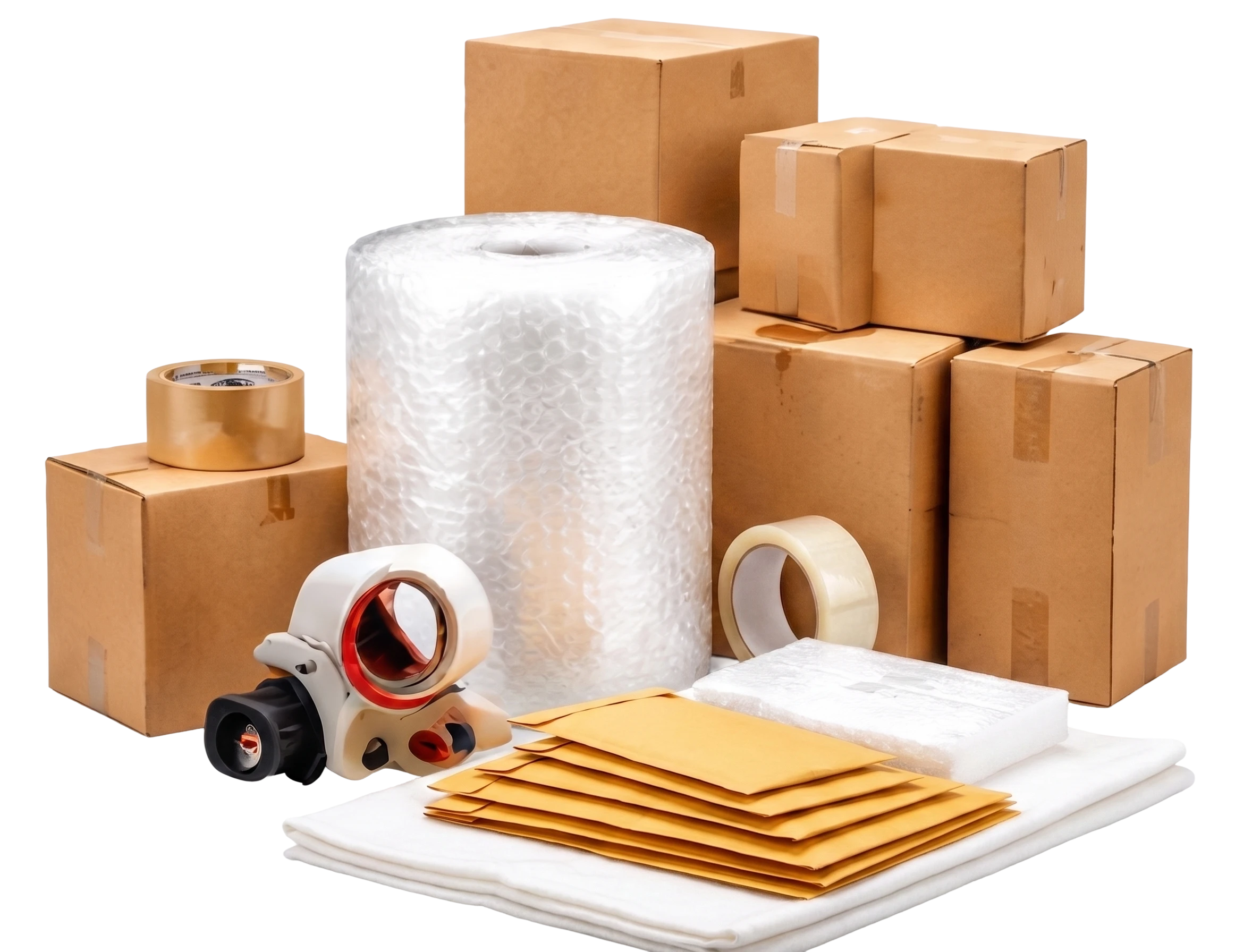
Easy Deal USA carries a practical lineup of these products, including stackable storage bins, cube organizers, closet shelving, and multi-tier utility carts suited for both home and small office use. For anyone tackling a move or a big reorganization project at the same time, the retailer also stocks moving and packaging supplies like heavy-duty packing tape and shipping labels, which come in handy once you've sorted items into donate, keep, and store piles.
A few supplies worth having on hand as you start organizing include the following:
- Stackable, clear bins with lids for pantry items, seasonal décor, or garage supplies, since seeing contents without opening every box saves real time during busy weeks.
- Multi-tier rolling carts for kitchens, craft rooms, or home offices, which give you mobile storage you can wheel exactly where you need it.
- Closet shelving kits that add extra hanging rods and shelf space without a full closet renovation.
- Heavy-duty packing tape and labels for anyone combining an organization project with a move or a decluttering purge headed to donation centers.
Because the retailer offers fast, free U.S. shipping and a 30-day return policy, you can try a new bin size or cart style without much financial risk if it doesn't fit your space the way you hoped.
How Do You Organize On A Budget?

Getting organized doesn't require a big spending spree, and plenty of effective systems cost next to nothing to set up. Repurposing items you already own, glass jars for spices or small hardware, cardboard boxes covered in leftover fabric, or an old silverware tray turned drawer divider, gives you functional storage without a trip to the store. Dollar stores and discount retailers also carry inexpensive bins, labels, and hooks that work just as well as pricier organizing-brand versions for most everyday needs.
When you do need to buy new containers, timing and quantity make a real difference in cost. Buying bins or shelving in bulk, especially during seasonal sales after the winter holidays or in late summer, lowers your per-unit price significantly. Comparing a few retailers before you commit to a larger purchase, and watching for free-shipping thresholds, keeps a full-home organization project from draining your budget.
How Do You Maintain Organization Long-Term?
Maintaining organization comes down to small, repeated habits rather than one big cleanup that you hope lasts forever. A quick five-minute reset each evening, putting dishes away, returning tools to their pegboard spot, or tossing mail into its designated bin, prevents the slow pile-up that eventually turns into a weekend-long reorganization project. Getting every household member or employee involved in these small routines spreads the responsibility so it doesn't fall on one person to keep everything in check.
Housing researchers have found that a lack of adequate, well-planned storage can genuinely affect residents' mental well-being, with one housing study on storage struggles describing how not having a place to put things away leaves people feeling unable to keep their homes in order. Every few months, walk through each space and ask whether the current setup still fits how you actually live or work, since needs shift as families grow, businesses expand inventory, or hobbies change. Swapping out faded labels, donating items you haven't touched in a year, and adjusting shelf layouts as needed keeps your organization system useful instead of letting it quietly fall out of date.
The Takeaway
Home organization works best when you treat it as an ongoing system rather than a single afternoon project you check off a list. Starting small, whether that's one kitchen shelf or a single garage pegboard, builds momentum and keeps the process from feeling overwhelming. Pair that mindset with the right supplies, clear bins, sturdy shelving, and labeled containers, and consistent daily habits, and you end up with a home or workspace that stays functional well beyond the first cleanup.
If you're ready to start a project, Easy Deal USA offers an affordable range of storage bins, shelving, and carts alongside moving and packaging supplies, all backed by fast U.S. shipping and a straightforward return policy. That combination makes it easier to test out a system, see what works for your space, and adjust without much financial pressure.
Frequently Asked Questions
How Long Does It Take To Organize A Whole House?
It depends on your home's size and how much clutter you're dealing with, but most people find success tackling one room per weekend rather than attempting the whole house at once. A smaller apartment might take two or three weekends, while a larger home with years of accumulated items could take a couple of months of steady progress.
What Is The Best Way To Organize A Small Apartment?
Vertical storage is your best friend in a small apartment, since wall shelving and over-door organizers free up floor space fast. Multi-functional furniture, like an ottoman with hidden storage, and under-bed bins for off-season items also stretch limited square footage without making the space feel cramped.
How Do I Keep Kids Involved In Home Organization?
Use clear, labeled bins with both pictures and words so younger kids can identify where toys belong without needing to read. Setting up simple zones, like one bin for blocks and another for art supplies, gives children an easy system they can actually follow and help maintain on their own.
What Are The Best Containers For Long-Term Storage?
Clear, stackable plastic bins with secure lids work best for long-term storage since they protect against moisture and pests while letting you see contents at a glance. These are especially useful in basements, attics, or garages where humidity and temperature swings can damage cardboard boxes over time.
How Often Should I Reorganize My Home?
A seasonal review, roughly four times a year, paired with a quick monthly tidy-up session, catches most clutter before it becomes a bigger project. This rhythm keeps your systems current as your needs change without requiring a full reorganization every time.
Can Home Organization Really Save Money?
Yes, since knowing exactly what you own cuts down on duplicate purchases and reduces the chance of buying something you already have buried in a closet. Proper storage also extends the life of tools, food, and seasonal items, which means fewer replacement purchases over time.
What Supplies Do I Need To Start Organizing Today?
You really only need a few basics to get started, stackable bins, labels, and a set of shelf dividers cover most early organization needs. The retailer offers these essentials at accessible prices, making it simple to grab what you need without overspending on your first project.
Recent Posts
-

How to Hand Wrap a Pallet | Easy Deal USA
A pallet that leaves your dock tight and square should arrive the same way. A pallet that's wrapped …Oct 09, 2026 -
Samsung Dryer Not Heating? Causes and How to Fix It
Your Samsung dryer tumbles, the timer counts down, and the clothes come out just as damp as they wen …Oct 07, 2026 -
How to Store Holiday Decorations in Latching Storage Totes
Every January the same scene plays out: ornaments rolled loose in a cardboard box, a tangle of light …Oct 07, 2026