Best Shoe Storage Racks for Organized Homes
A pile of shoes by the front door can make an otherwise clean home look crowded in minutes. The best shoe storage racks give every pair a predictable place while keeping daily footwear easy to grab. The right choice depends less on appearance and more on where the rack will sit, how many pairs it needs to hold, and whether you are storing lightweight sandals, work boots, or a little of everything.
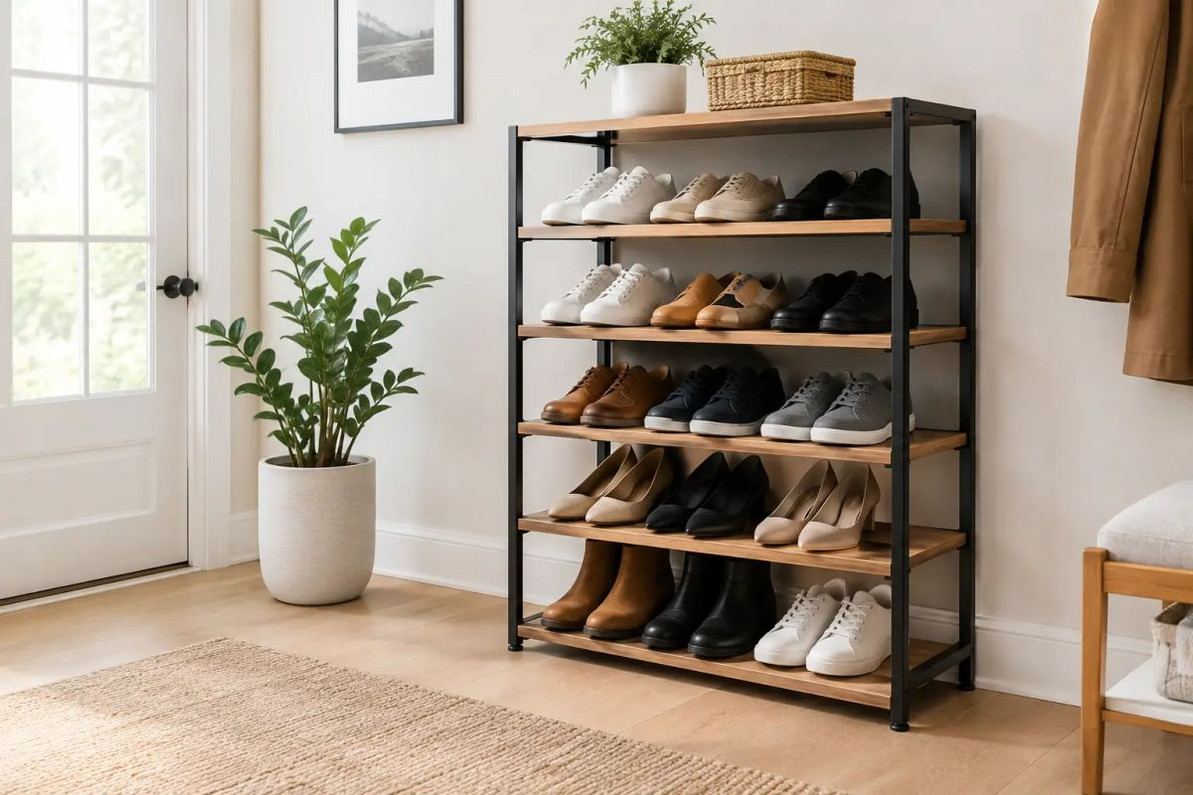
For most homes, an open, multi-tier rack is the practical starting point. It lets shoes air out, makes pairs visible, and adds order without taking over a closet or entryway. Still, a rack that works well near a busy front door may not be the best fit for a bedroom closet, garage, rental unit, or maintenance area.
What Makes the Best Shoe Storage Racks Work
A useful shoe rack should solve a real storage problem, not simply move the clutter from one spot to another. Start by measuring the available floor space, including the depth of the area. Entryways and hallways often need a shallow rack that will not block a walkway, while closets can usually accommodate a deeper model with more tiers.
Capacity is equally important. Many shoppers count individual shoes instead of pairs and end up with a rack that is too small. Measure or count the pairs you actually use during a typical week, then allow extra room for guests, seasonal shoes, or new purchases. A rack that is filled to the last inch is harder to use and usually becomes cluttered again.
The best design also matches the type of footwear being stored. Low-profile shelves are efficient for sneakers, flats, sandals, and casual shoes. Boots, high-tops, and heavy work shoes need greater shelf clearance or an adjustable layout. Trying to force bulky footwear onto standard shelves can bend a lightweight rack and make every other pair harder to access.
Open Racks for Everyday Access
Open shoe racks are a strong choice for active households, apartments, mudrooms, and small offices. Their biggest advantage is visibility. You can see what is available without opening a cabinet, and shoes have a chance to dry out after rain, yardwork, or a long shift.
Metal wire racks are especially practical when durability and airflow matter. They are easy to wipe down, less likely to hold moisture, and often work well in garages, laundry rooms, or utility spaces. Some models use plastic or fabric shelf panels instead. These can be lighter and more affordable, but should be chosen carefully if the rack will hold boots, work shoes, or several pairs of heavier footwear.
Stackable Racks for Changing Needs
Stackable shoe storage is a sensible option when you expect your storage needs to grow. Start with one low rack in an entryway or closet, then add another unit vertically or side by side as needed. This approach can be more flexible than buying one large organizer that may not fit after a move or room rearrangement.
Check how units connect before stacking. A rack designed to stack should have stable connection points and clear limits on how many units can be safely combined. Avoid placing a loose rack on top of another unless the manufacturer specifically allows it. Stability matters, particularly in homes with children, pets, or frequently used storage areas.
Narrow Racks for Entryways and Apartments
Small spaces call for careful dimensions. A narrow shoe rack can turn a tight entryway, apartment hallway, or closet wall into functional storage without making the area feel blocked. Look at both width and depth. A rack may be narrow from side to side but still extend too far into the walking path.
Two- or three-tier designs are often enough for daily shoes near the door. Keeping only the most-used pairs there prevents the entryway from becoming a long-term holding area for every shoe in the household. Seasonal footwear can move to a closet, bedroom, garage shelf, or another designated storage zone.
Choosing Shoe Storage Racks by Location
The same rack will perform differently depending on where it is placed. Before comparing materials or prices, decide what the location demands.
An entryway rack should prioritize a compact footprint, easy access, and simple cleanup. Open shelves work well because dirt and debris are visible instead of hidden. Place a washable mat or tray beneath the rack if shoes are often wet or muddy.
A closet shoe rack can prioritize capacity. Taller vertical units, stackable shelves, or low racks placed along the closet floor help use unused space. If the closet is shared, choose a design that gives each person a clear section. That simple division can prevent one person’s shoes from taking over the entire bottom of the closet.
A garage or workshop rack needs more durable construction. Metal shelves and sturdy frames are generally better suited for work boots, safety footwear, gardening shoes, and shoes that may bring in dirt. Keep the rack away from standing water and leave enough space around it to sweep or clean.
For rental properties, compact and easy-to-move storage has an advantage. Lightweight modular racks can be useful because they can be disassembled, relocated, or reconfigured without requiring wall installation. If a tall unit could tip, follow the product instructions for placement and secure it when appropriate.
Material and Construction: Where Value Matters
The best material is the one that fits the job. Metal shoe racks are often a dependable choice for heavier use, especially when they have reinforced shelves and a stable frame. They suit garages, mudrooms, family entryways, and storage areas where durability matters more than a furniture-style finish.
Plastic racks are lightweight, easy to clean, and useful for occasional shoes or low-moisture indoor spaces. They can be a practical value option, but examine the shelf design and weight capacity if you plan to store boots or large shoes. Fabric-covered organizers are convenient for closets and temporary setups, although they are usually less suitable for damp footwear or heavy daily use.
Wood-look or solid-panel racks can provide a more finished appearance in bedrooms and living areas. The trade-off is that closed or solid shelves need more frequent cleaning, and wet shoes should not be placed on them without protection. No material is perfect for every room, which is why location should guide the purchase.
Measure Before You Buy
A few measurements can prevent most shoe rack returns. Measure the width, depth, and height of the intended area. Then measure the largest footwear you expect to store, especially work boots, men’s larger-size shoes, or tall winter boots. Shelf spacing that looks adequate in a product image may be too tight for real-world use.
Also consider access. A rack placed behind a door, beside a bench, or at the end of a closet may fit on paper but be inconvenient in practice. Leave room to reach the top shelf, remove a pair without knocking over others, and clean underneath or behind the unit.
Weight capacity deserves attention when storing heavy footwear. A household with several pairs of hiking boots, work boots, or steel-toe shoes should not assume every tier supports the same load. Review the listed product specifications and use the rack as intended. Heavier items usually belong on lower shelves for better stability.
Simple Ways to Keep a Shoe Rack Organized
A shoe rack stays useful when it has basic rules. Keep daily shoes on the lowest or most accessible shelves, reserve upper tiers for less-used pairs, and place heavier footwear near the bottom. Store pairs toe-out or heel-out consistently so it is easier to identify them at a glance.
Do not use a shoe rack as a catch-all for bags, mail, tools, and loose clothing. If the rack sits near an entry, add a separate basket or tray for those items instead. This preserves the shelf space for shoes and makes the whole area easier to reset.
For households with several people, assign each person a shelf range. In a small business, workshop, or rental maintenance space, label sections for clean indoor shoes, work shoes, and visitor footwear if needed. Clear categories reduce misplaced pairs and speed up cleanup.
Easy Deal USA shoppers often look for practical storage that fits the space they already have, rather than a complicated system that requires a full room makeover. A properly sized shoe rack is one of those small upgrades that can make an entryway, closet, or work area function better every day.
Choose the rack around your actual shoes, your available floor space, and the way people move through the room. When each pair has a place that is easy to reach and easy to return to, keeping the area organized becomes much less of a chore.
Recent Posts
-
How to Organize Toys With Clear Storage Bins
Toy clutter tends to peak right before the holidays, when birthday gifts from the year are still sca …Oct 23, 2026 -
Folding Chairs for Church Halls and Community Centers
Church halls, fellowship rooms and community centers ask more of their seating than almost any home. …Oct 23, 2026 -
Restaurant Bus Cart Guide: Using a Utility Cart for Bussing
Every busy dining room hits the same wall at some point in a shift: dirty plates stack up, servers m …Oct 23, 2026