Best Packing Supplies for Moving That Work
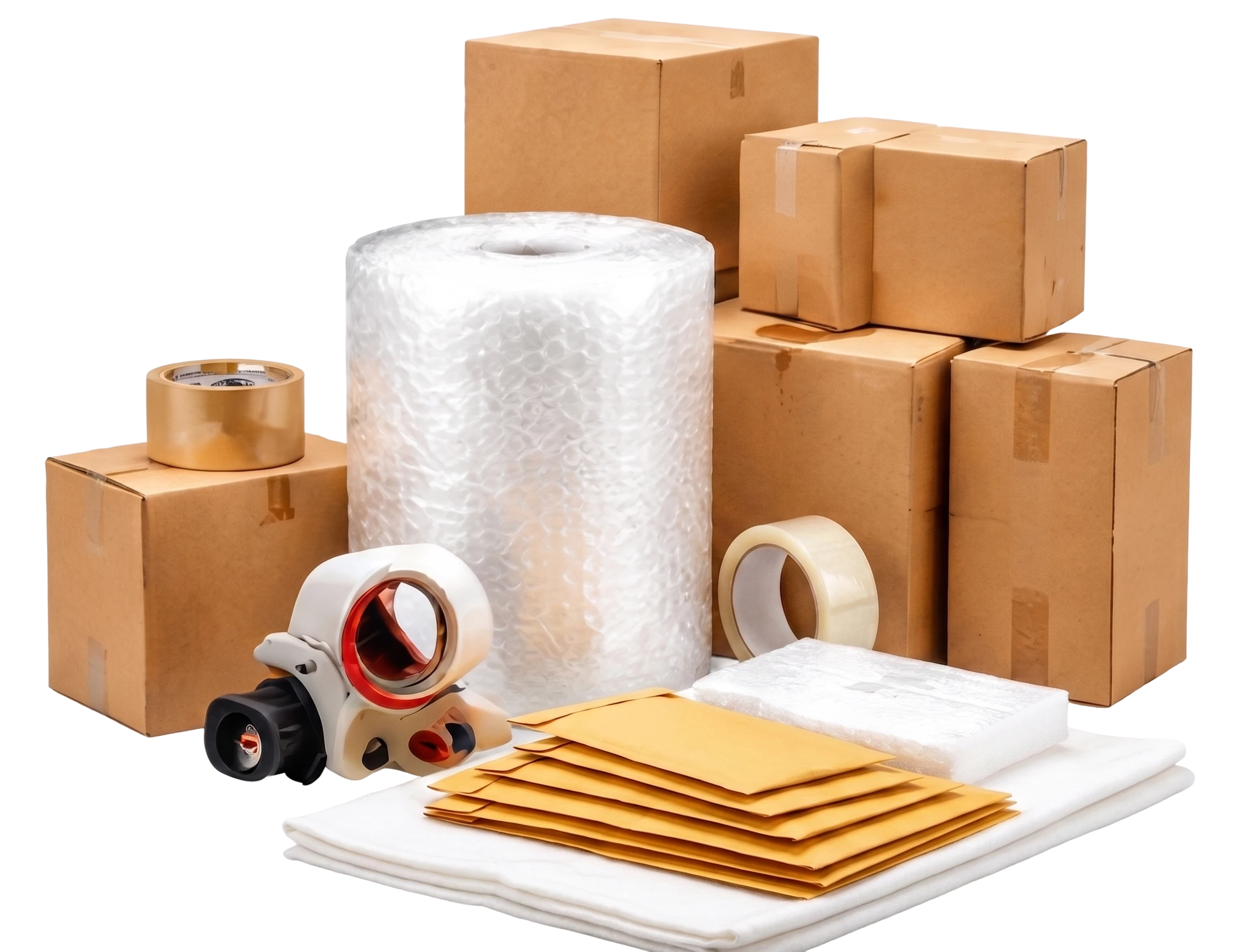
A move can go smoothly until the bottom of a weak box gives out in the driveway or a roll of low-quality tape starts peeling before the truck arrives. The best packing supplies for moving are not necessarily the most expensive options. They are the supplies that match the weight, shape, and fragility of what you own, while making loading and unpacking easier.
Buying supplies with a plan also helps avoid two common problems: running out of tape halfway through packing and paying for far more boxes than you need. Start with the items that protect belongings and keep the move organized, then add specialty supplies only where they solve a real problem.
Best packing supplies for moving: Start with the essentials
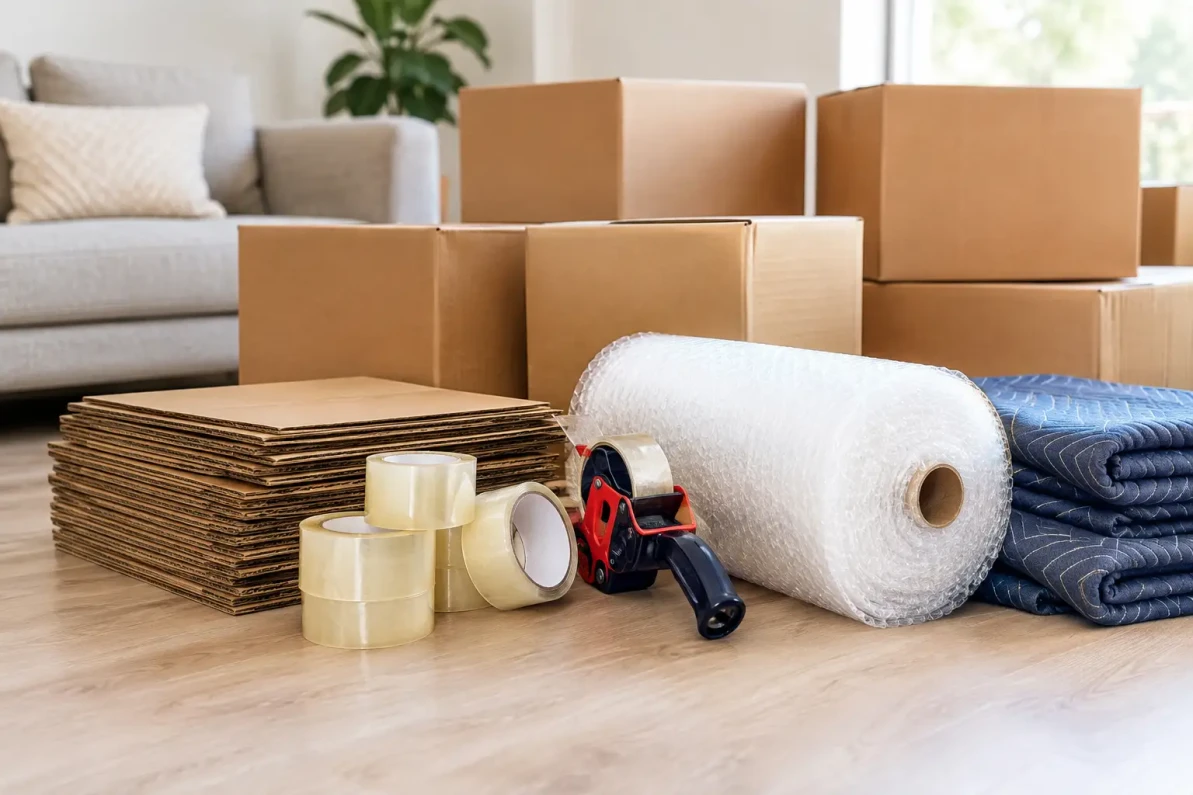
Most households need a dependable core set of supplies. These products handle the bulk of packing, whether you are moving from an apartment, a house, an office, or a small business workspace.
- Moving boxes in several sizes
- Heavy-duty packing tape and a tape dispenser
- Bubble cushioning or packing paper for breakable items
- Permanent markers and moving labels
- Stretch wrap for furniture, drawers, and bundled items
- Box cutters or utility knives for unpacking
This list looks simple, but quality and sizing matter. A mixed selection of small, medium, and large boxes is more useful than buying every box in one size. Small boxes are safer for books, tools, canned goods, and other dense items. Medium boxes work well for kitchen items, toys, small appliances, and folded clothes. Large boxes are best for lighter, bulky belongings such as pillows, comforters, lampshades, and towels.
Avoid putting heavy items in large boxes just because there is extra room. A box that is difficult to lift is more likely to split, become unsafe to carry, or be left behind until the end of moving day.
Choose boxes based on what you are packing
Standard corrugated moving boxes are a practical choice for most belongings. Look for clean, dry boxes with firm corners and intact flaps. Used boxes can save money, but they are not always worth it for fragile items, long-distance moves, or anything heavy. Water damage, crushed corners, and old tape residue can reduce a box's strength.
For delicate dishes, glassware, collectibles, and small electronics, consider specialty boxes or use sturdy small boxes with adequate cushioning. Dish-pack style boxes have thicker walls, but their value depends on what is inside and how far it will travel. If you are moving a few plates across town, good packing paper and a solid box may be enough. For a larger kitchen or a move involving storage, stronger specialty boxes can offer extra peace of mind.
Wardrobe boxes are convenient for hanging clothes, especially when you need to pack and unpack quickly. They cost more than regular cartons and take up considerable space in a truck, so they are most useful for garments that wrinkle easily or are difficult to fold. For everyday clothing, suitcases, dresser drawers, and standard boxes may be the more economical option.
Do not forget smaller boxes for items that tend to disappear during a move. Keep hardware, remote controls, cords, keys, and assembly instructions in labeled bags or a designated essentials box. A clearly marked box can save an hour of searching when you need the bed frame bolts at the end of a long day.
Use the right tape, not just more tape
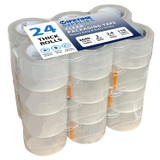
Packing tape does more than close a carton. It keeps the box stable when it is lifted, stacked, and moved through doorways. Choose tape intended for shipping or moving rather than lightweight household tape, masking tape, or duct tape. Those alternatives may work for a temporary task, but they often do not provide reliable box sealing.
Apply tape along the center seam on the bottom of every box, then add strips across the side seams for heavy loads. This H-shaped seal takes a little more tape, but it provides noticeably better support for boxes containing books, kitchenware, or supplies from a workshop.
A tape dispenser is a small upgrade that makes a real difference when packing many boxes. It keeps the roll under control, cuts tape cleanly, and speeds up repeated sealing. Buy at least one extra roll of tape before you start. Running out late at night is a frustrating way to delay a move.
Protect fragile items with the right cushioning
Bubble cushioning, packing paper, and stretch wrap serve different purposes. Using each one where it works best can reduce waste and improve protection.
Packing paper is useful for wrapping dishes, filling empty space in boxes, and separating everyday breakable items. Wrap plates individually and place them vertically rather than flat when possible. Fill open gaps so items do not shift during transport. Newsprint can leave ink on surfaces, so plain packing paper is the better choice for dishes, glass, and light-colored décor.
Bubble cushioning is best reserved for items that need more impact protection, such as framed artwork, glassware, small appliances, mirrors, and electronics. Wrap the item fully, secure the wrap with tape, and place it in a box with padding around all sides. Bubble cushioning alone cannot compensate for an oversized or weak box.
Stretch wrap is particularly useful for keeping drawers closed, bundling loose parts, protecting upholstered furniture from dust, and securing padding around furniture corners. It should not be used directly against delicate finished wood or painted surfaces for extended periods, especially in heat. Place a protective layer of paper, moving blanket, or clean cloth between the surface and the wrap when needed.
For furniture, moving blankets or furniture pads offer better protection against scratches and dents than plastic wrap alone. They are especially useful for tables, dressers, appliances, and wood-framed pieces that will be carried through tight hallways or loaded beside other items.
Labels make unpacking faster and less chaotic
A clear labeling system is one of the most useful moving supplies you can buy. Write the destination room and a short description of the contents on at least two sides of every box. A label such as Kitchen - Everyday Plates is much more helpful than Kitchen or Fragile alone.
Color-coded labels can simplify a larger move. Assign one color to each room, then place the matching color near the door of the destination room. Movers, family members, and helpers can identify where boxes belong without stopping to ask.
For boxes that must stay upright, mark arrows and write This Side Up. For fragile boxes, label them clearly, but pack them carefully too. Labels are reminders, not a substitute for proper padding and a well-sealed carton.
Take a quick photo of box contents before sealing particularly important cartons, such as electronics, office equipment, or items with multiple components. It can help during unpacking and makes it easier to confirm that accessories stayed together.
Supplies that make loading safer
Packing supplies protect belongings, but moving equipment protects time and effort. A hand truck, platform cart, or furniture dolly can make a major difference when moving stacked boxes, appliances, storage bins, or office supplies. Choose equipment based on the item size and weight capacity you need, and keep loads balanced and secured.
Furniture sliders can help when repositioning heavy furniture across appropriate floor surfaces. They are useful for clearing rooms before packing and for setting up the new space without repeatedly lifting bulky items. Moving straps may also help with large items, but they require proper use and clear communication between the people carrying the load.
Keep a utility knife, scissors, work gloves, and a small tool kit accessible rather than packing them early. You will likely need them for cutting tape, opening boxes, removing furniture legs, and handling loose hardware. Put these essentials in a tote, tool bag, or clearly marked box that travels with you.
How much should you buy?
The right quantity depends on the size of your space, how much you have stored, and whether you are packing gradually or all at once. Instead of estimating by room count alone, walk through closets, cabinets, the garage, and storage areas. These spaces often contain more small items than expected.
Buy boxes in a mix of sizes, then start packing nonessential items first. After packing several areas, you will have a better sense of whether you need more cartons, paper, or tape. This approach limits overbuying while preventing last-minute shortages.
If you run a small business or are relocating inventory, supplies should be chosen with product protection and labeling accuracy in mind. Use appropriately sized cartons to limit empty space, pack items consistently, and label cartons with contents or stock categories. This makes receiving and restocking easier after the move.
Easy Deal USA offers practical packaging supplies and moving equipment for customers who need dependable options without unnecessary extras. When selecting products, focus on dimensions, material type, and capacity so the supplies fit the work ahead.
A well-packed move is built box by box. Start with strong cartons, seal them correctly, cushion what can break, and label every load before it reaches the truck. When the first box is opened in your new space, that preparation will feel like time well spent.
Recent Posts
-
Frigidaire Fridge Door Shelf Rail Broken: Replace 240534901
If the door shelf rail on your Frigidaire refrigerator has cracked, snapped off or keeps popping loo …Nov 21, 2026 -
Storage Totes for Contractors: Truck and Jobsite Guide
Every contractor knows the cost of a disorganized truck. You drive to the job, then spend twenty min …Nov 21, 2026 -
How to Pack a Heavy Box for Shipping Without Blowouts
A heavy box fails in predictable ways. The bottom seam splits when someone lifts it, a corner crushe …Nov 21, 2026