
Best Mailer Boxes for Sellers That Fit Your Orders
A mailer box that is too large costs more to ship, uses more void fill, and can leave a product sliding around during transit. One that is too small can crush edges, strain the closure, or force you to pack orders inefficiently. The best mailer boxes for sellers are the ones that fit the actual product, shipping process, and customer experience without adding unnecessary cost.
For online sellers, packaging is part of the order. It protects the item, affects packing speed, and shapes the first impression when a customer opens the delivery. A practical box choice starts with measurements and ends with a repeatable packing process.
What Makes the Best Mailer Boxes for Sellers?
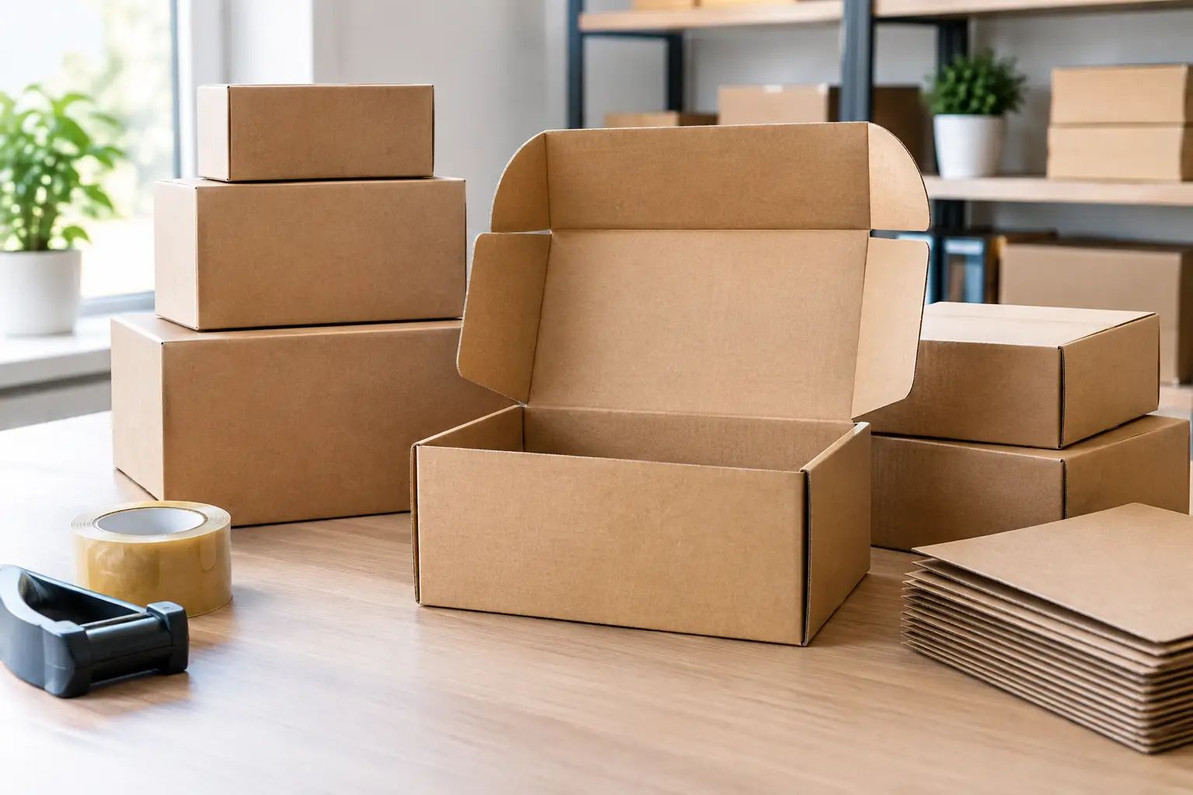
Mailer boxes are corrugated boxes with attached lids and locking tabs. Unlike a standard shipping carton that usually needs tape to close, a mailer box folds into shape and typically secures through its built-in closure. This makes it a useful option for many smaller products, subscription-style orders, giftable items, replacement parts, office supplies, and retail shipments.
The right choice depends on what you sell. Lightweight items such as labels, small household goods, or flat accessories may need a compact, lower-profile box. Denser items, fragile components, bundled products, or products with sharp corners may require stronger corrugated material and more room for protective packing.
A good mailer box should do three jobs well: hold the product securely, stand up to normal shipping handling, and remain easy for your team to assemble. A box that looks polished but slows every packer down can become expensive at higher order volume. On the other hand, the least expensive box is not a bargain if it arrives damaged or requires excessive tape and filler to work.
Choose mailer boxes when presentation and speed matter
Mailer boxes work especially well when the customer will see the packaging immediately after opening the shipment. Their clean folding shape can look more intentional than an overfilled carton. They are also useful for sellers who pack many similar orders because the same size can be staged, folded, filled, and closed quickly.
They are not the best answer for every shipment. Very heavy products, unusually shaped items, and large multi-item orders may be better protected in traditional corrugated shipping cartons. Using mailers where they fit and cartons where they are needed keeps packaging practical instead of forcing one box style onto every order.
Start With the Inside Dimensions
The most common packaging mistake is buying based on an item’s outer measurement alone. The box needs room for the product plus a small amount of protective material, especially if the item can shift, scratch, bend, or crack.
Measure the length, width, and height of the fully packed product, not just the product itself. Include any inner bag, retail packaging, inserts, manuals, or accessory pieces that ship in the same order. Then allow appropriate clearance around the item. A soft item in a poly bag may need very little extra space. A hard item with corners or a breakable part may need padding on every side.
For example, a small appliance replacement part might fit physically into a thin mailer box, but the part may need a layer of cushioning and a separate bag for hardware. In that case, a slightly deeper box prevents pressure on the lid and reduces the chance that loose pieces move around.
Avoid going oversized just to be safe. Extra empty space often means more packing paper, higher dimensional shipping charges on larger parcels, and a less tidy unboxing experience. Keeping a small range of common box sizes is usually more efficient than trying to make one oversized mailer handle every order.
Build a practical size range
Many sellers can cover a large share of their shipments with three core sizes: a flat mailer for documents or slim products, a medium mailer for most small retail orders, and a deeper option for bundles or padded items. The right dimensions depend on your catalog, but the goal is consistency.
Review your last several weeks of orders before choosing quantities. Look for the products and combinations that ship most often. If one product represents a large portion of sales, selecting a mailer that fits it well can reduce material use and speed up fulfillment every day.
Match Box Strength to Product Weight and Shape
Box strength is not just about weight. A compact metal item may be much heavier than a larger plastic item. Products with pointed corners, rigid edges, or uneven shapes can also put pressure on the walls and closure tabs.
Corrugated mailer boxes are commonly made with different flute profiles and board constructions. Thinner corrugation can be a sensible choice for lightweight goods and flat shipments. Thicker material generally provides more cushioning and stacking resistance for heavier or more vulnerable orders. When comparing options, check the product description for material type, dimensions, and any stated capacity guidance rather than assuming all mailers perform the same way.
Consider the entire shipping route. An order may travel through conveyors, sorting areas, delivery vehicles, and stacked parcels before it reaches the customer. If a product is heavy enough to pull at the locking tabs or bow the bottom panel, choose a stronger box or reinforce the closure with packing tape.
Tape is also a practical choice for valuable, dense, or multi-item shipments even when the mailer has a secure tuck closure. It can help keep the package closed if it is compressed during transit. The goal is not to use tape on every order automatically, but to use it where the product and shipping conditions justify it.
Select the Right Finish for Your Selling Channel
Plain kraft or white mailer boxes are practical for most sellers. Kraft has a straightforward warehouse-friendly appearance and can hide minor scuffs better than bright white. White boxes can provide a cleaner retail look and make labels, stamps, or branded inserts stand out.
Custom printing may make sense for established sellers with steady volume, but it is not required for a professional presentation. A properly sized plain mailer, a clear shipping label, and a neat packing slip can look dependable and organized. For small businesses, spending first on the correct fit and protection is often more useful than paying for decorative packaging.
If you sell through marketplaces, keep the outside of the box simple. Shipping labels need a flat, clean surface that scans easily. Avoid placing labels over tabs, seams, or uneven folds. Leave room for return information if your process requires it.
Plan for How Orders Are Packed
The best packaging choice should work at the packing station, not only on a product specification sheet. Test a sample box with the materials your team actually uses. Time how long it takes to fold, load, close, label, and stage for pickup.
A mailer that requires complicated folding, frequent rework, or large amounts of filler may not be the best fit, even if the box itself is inexpensive. Small delays become meaningful when packing dozens of orders. Keep boxes stored near the work area, along with labels, tape, cushioning, and a scale if you use one.
For products that ship repeatedly, create a simple packing standard. It can state the box size, the amount of padding, where accessories go, and whether tape is needed. This helps different employees pack orders consistently and reduces preventable returns caused by missing pieces or poor protection.
Easy Deal USA customers who ship from a home workspace, stockroom, or warehouse can also benefit from organizing packaging by size. Clearly labeled shelves or bins make it easier to grab the correct box without opening multiple bundles during a busy packing period.
Avoid These Costly Mailer Box Mistakes
Buying too many sizes can tie up storage space and make packing decisions harder. Buying only one size can create the opposite problem: wasted space and too much void fill. Start with the sizes that handle the majority of your current orders, then add specialty options only when the demand is clear.
Another mistake is overlooking closure fit. Fold and close a sample box around the fully packed product. If the lid bulges, tabs barely engage, or the side walls spread, move up a size or reduce the contents. A closure should sit naturally, not be forced into place.
Finally, do not treat cushioning as an afterthought. The right mailer box reduces movement, but it does not replace protection for fragile or scratch-prone goods. Use the amount of filler the item needs, then choose a box that contains both without excess empty space.
Buy Based on Your Real Order Mix
Before placing a larger order, pack several of your most common products in sample mailers. Check the fit, close the box, gently handle it, and confirm that the shipping label has a flat placement area. This simple test often reveals whether you need a different depth, stronger material, or a second box size for bundled orders.
A well-chosen mailer box does not need to be flashy. It needs to protect the order, keep fulfillment moving, and help customers receive what they purchased in good condition. When the fit is right, every shipment becomes easier to pack and easier to trust.
Recent Posts
-
How to Organize Toys With Clear Storage Bins
Toy clutter tends to peak right before the holidays, when birthday gifts from the year are still sca …Oct 23, 2026 -
Folding Chairs for Church Halls and Community Centers
Church halls, fellowship rooms and community centers ask more of their seating than almost any home. …Oct 23, 2026 -
Restaurant Bus Cart Guide: Using a Utility Cart for Bussing
Every busy dining room hits the same wall at some point in a shift: dirty plates stack up, servers m …Oct 23, 2026
