Best Folding Tables for Events That Work Hard
A folding table can look perfectly fine in a product photo and still become the weak point of an event setup. A tabletop that flexes under serving trays, legs that wobble on uneven flooring, or a size that blocks guest traffic creates more work for everyone. The best folding tables for events are the ones that match the job, hold up through repeated use, and store without taking over your back room.
For a one-time family gathering, nearly any basic folding table may be enough. For a church hall, school, property manager, caterer, vendor, or small business that sets up often, the better choice is usually a table selected around layout, load, transport, and cleanup. Here is what to look for before buying.
Best Folding Tables for Events Start With the Setup
The first decision is not material or color. It is table shape and size. Measure the room, then think about the space people need to walk, pull out chairs, serve food, or reach products. A table that fits against a wall may be too large once chairs and guests are added.
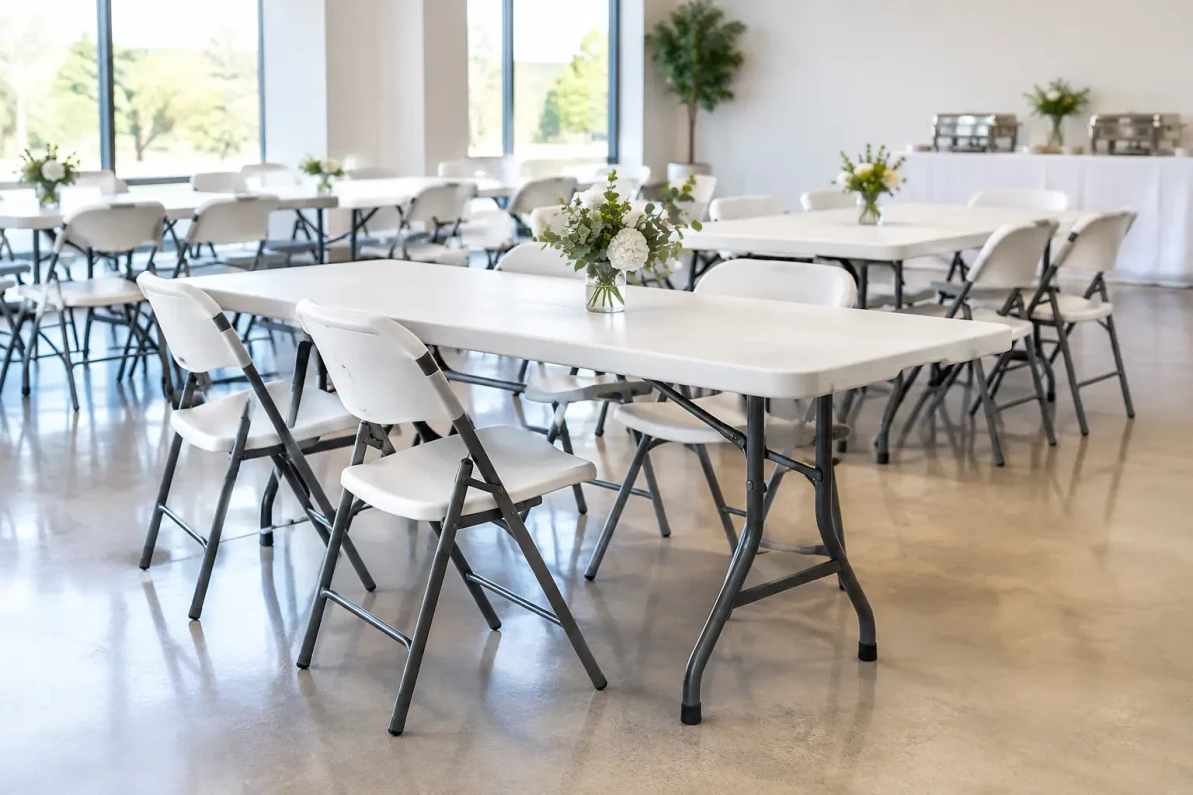
A 4-foot rectangular table is useful when space is limited or when you need several small stations. It works well for registration, gift displays, check-in areas, refreshment setups, and vendor merchandise. A 6-foot rectangular table is one of the most flexible choices for general event use. It gives you enough surface for buffet service, meeting seating, craft materials, or product displays without being as difficult to carry and store as a larger table.
An 8-foot table offers more continuous workspace and can reduce the number of tables needed for a long buffet or conference arrangement. The trade-off is handling. It takes more storage room, is harder to move through narrow doors, and may be awkward for one person to set up. If your staff works in pairs and your storage area is generous, that extra length can be worthwhile.
Round folding tables are better suited to seated meals, group discussion, and banquet-style layouts. They help guests face each other, but they use floor space differently than rectangular tables. A rectangular table generally makes better use of a wall or straight buffet line. A round table creates a more social seating arrangement but needs clear space around its full perimeter.
Choose a Tabletop Material for the Actual Job
Event tables are commonly available with plastic, resin, or wood-style tops. Each has a practical place.
Plastic or blow-molded folding tables are a dependable choice for frequent everyday setups. They are generally easy to wipe down, resist common spills, and are convenient for indoor or covered outdoor events. For food service, displays, workshops, and multipurpose rooms, this style offers a good balance of cost, cleanup, and durability. A light-colored top can also brighten a room, though tablecloths are still helpful when you want a more finished presentation.
Resin-top tables are similar in purpose and are often selected for their clean appearance and low-maintenance surface. They suit community rooms, offices, school functions, and rental-style use where tables need to look orderly without requiring special care after every event.
Plywood or wood-top folding tables can make sense for heavy-duty work surfaces, staging tasks, or applications where a more solid-feeling top is preferred. They may be heavier and can require more care around moisture and storage conditions. For an event business that regularly handles food, beverages, and quick turnarounds, a plastic or resin table is usually the simpler option.
The right tabletop also depends on whether guests will see it. For back-of-house prep, durability and easy cleaning may matter most. For a front-facing banquet, use table coverings that fit the size and shape of the table, then choose a tabletop strong enough to support the service items underneath.
Capacity Matters More Than a Thick-Looking Top
A table can have a substantial appearance without being designed for heavy, concentrated loads. Before purchasing, check the listed weight capacity and consider how that weight will sit on the table. Several evenly spaced boxes of supplies place a different demand on a table than one beverage dispenser, printer, or stack of dense equipment placed in the center.
For a buffet line, think beyond the serving dishes. Add the weight of full beverage containers, ice bins, chafing equipment, plates, and reserve supplies that may be placed temporarily on the surface. For a vendor table, include display fixtures, packaged inventory, payment equipment, and storage boxes that may end up underneath or on top during setup.
Look for sturdy folding leg frames, secure braces, and leg-locking mechanisms where applicable. These features help the table stay stable while it is in use. Always set tables on level ground when possible, open the legs completely, and keep loads within the manufacturer’s stated limit. If an event requires unusually heavy equipment, use purpose-built worktables or carts rather than assuming a standard folding table can handle the load.
Folding Table Details That Save Time on Event Day
The small details determine whether tables are convenient after the first few uses. Consider how the table folds, whether it includes a carry handle, and whether one person can realistically move it. A table that folds in half can be easier to transport in a vehicle and store in a closet, while a full-length folding table may provide a flatter, more continuous work surface.
Weight is another practical trade-off. Lightweight tables reduce setup strain and make quick room changes easier. Heavier tables may feel more planted and may better suit demanding commercial use. Neither is automatically better. A lightweight 6-foot table may be ideal for a homeowner or volunteer team, while a maintenance crew setting up recurring functions may prefer a heavier-duty frame.
Also check the folded dimensions, not only the open dimensions. A storage room can hold a surprising number of tables when they stack efficiently, but only if the folded width and height work with the space. Leave enough room to remove one table without unloading an entire stack.
For frequent transport, protect tabletops from rubbing against one another. Store them dry, avoid placing sharp hardware directly on the surface, and keep the leg assemblies folded securely. Those simple habits can help tables stay presentable for longer.
Match the Table to Common Event Uses
A flexible event inventory often includes more than one size. That does not mean every organization needs a large collection immediately. Start with the table format you will use most often, then add specialty sizes as needs become clear.
For food service, 6-foot rectangular folding tables are often the practical starting point. They create a clean buffet line, accommodate tablecloths easily, and can be arranged end to end. For registration, ticketing, or information stations, 4-foot tables keep the footprint compact and prevent a small entrance area from feeling crowded.
For craft fairs, markets, and pop-up retail, rectangular tables provide straightforward display space and allow merchandise to be organized by category. Add risers or display bins only after confirming the table’s capacity and keeping the layout stable. For meetings and training sessions, rectangular tables can be arranged in classroom, U-shape, or conference layouts depending on the room.
For seated receptions or community meals, round tables help create a more conversational setting. Be realistic about chair spacing and aisles. A room packed tightly with tables may maximize seats on paper, but it makes serving, cleanup, and guest movement more difficult.
Buying for Repeated Use Versus Occasional Events
Occasional buyers should focus on a useful size, easy storage, and a surface that cleans up quickly. A dependable folding table can handle holidays, yard sales, family celebrations, school projects, and temporary work areas when it is not being used for an event.
Organizations and small businesses should look further at replacement needs, consistent dimensions, and how tables will move from storage to the event area. Buying several matching tables simplifies layouts, tablecloth ordering, stacking, and staff training. It also makes a room look more organized than a mix of unrelated sizes and styles.
For larger orders, consider the complete workflow. Count the tables needed for the main room, but also account for check-in, service, prep, storage, and cleanup. A utility cart or platform cart can make moving a stack of folded tables more manageable, especially in schools, warehouses, community spaces, and multipurpose buildings. Easy Deal USA offers practical folding tables and material-handling equipment for customers building out those everyday setups.
A Practical Final Check Before You Order
Confirm the open dimensions, folded dimensions, tabletop material, table weight, and manufacturer-rated capacity. Then picture the table in use: who carries it, where it is stored, what sits on it, and how quickly it must be cleaned and put away. Those answers usually point to the right model faster than choosing by price alone.
A well-chosen folding table earns its place long after the event ends. It becomes the extra work surface, the packing station, the maintenance table, or the reliable backup when more guests arrive than expected.
Recent Posts
-
Frigidaire Fridge Door Shelf Rail Broken: Replace 240534901
If the door shelf rail on your Frigidaire refrigerator has cracked, snapped off or keeps popping loo …Nov 21, 2026 -
Storage Totes for Contractors: Truck and Jobsite Guide
Every contractor knows the cost of a disorganized truck. You drive to the job, then spend twenty min …Nov 21, 2026 -
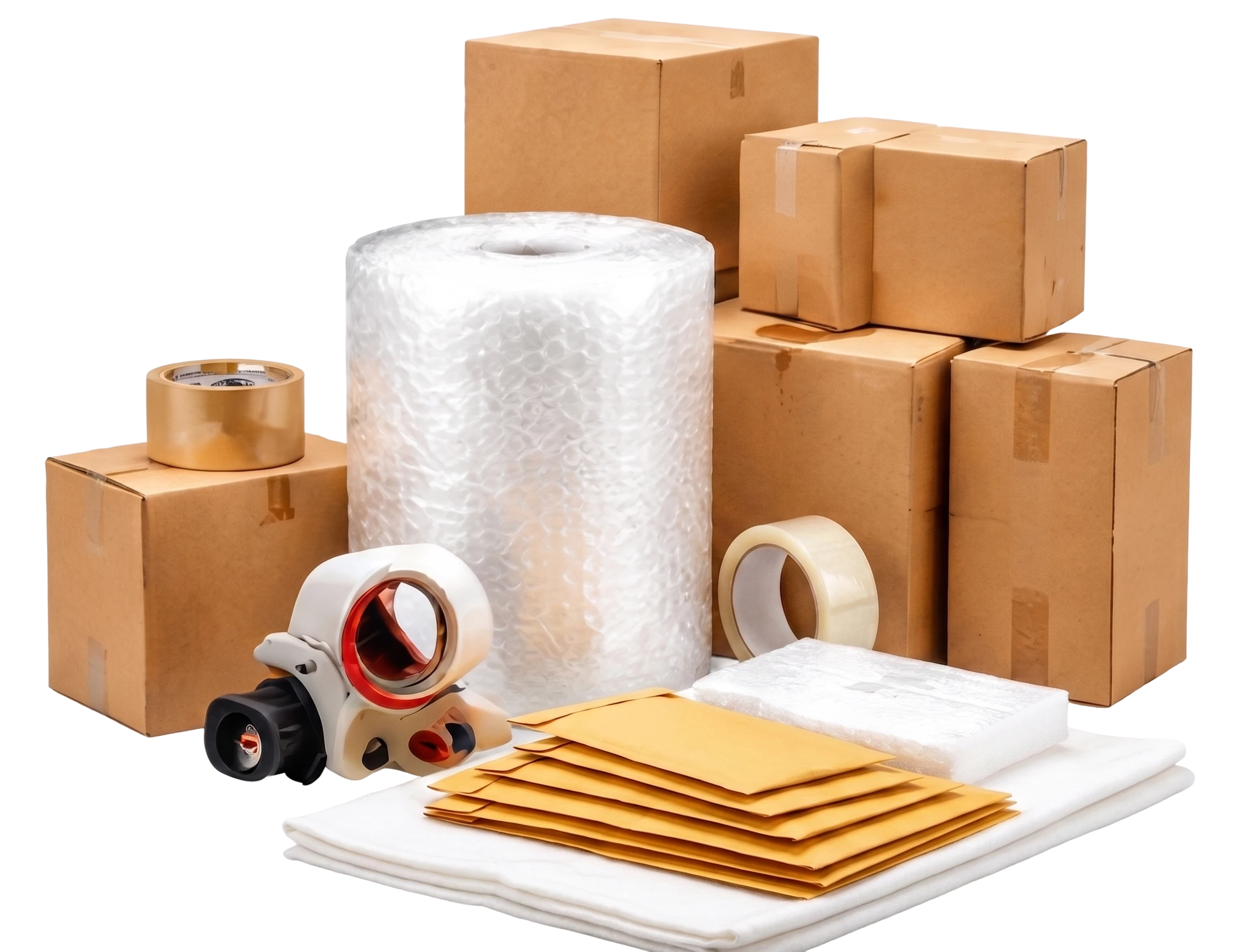
How to Pack a Heavy Box for Shipping Without Blowouts
A heavy box fails in predictable ways. The bottom seam splits when someone lifts it, a corner crushe …Nov 21, 2026