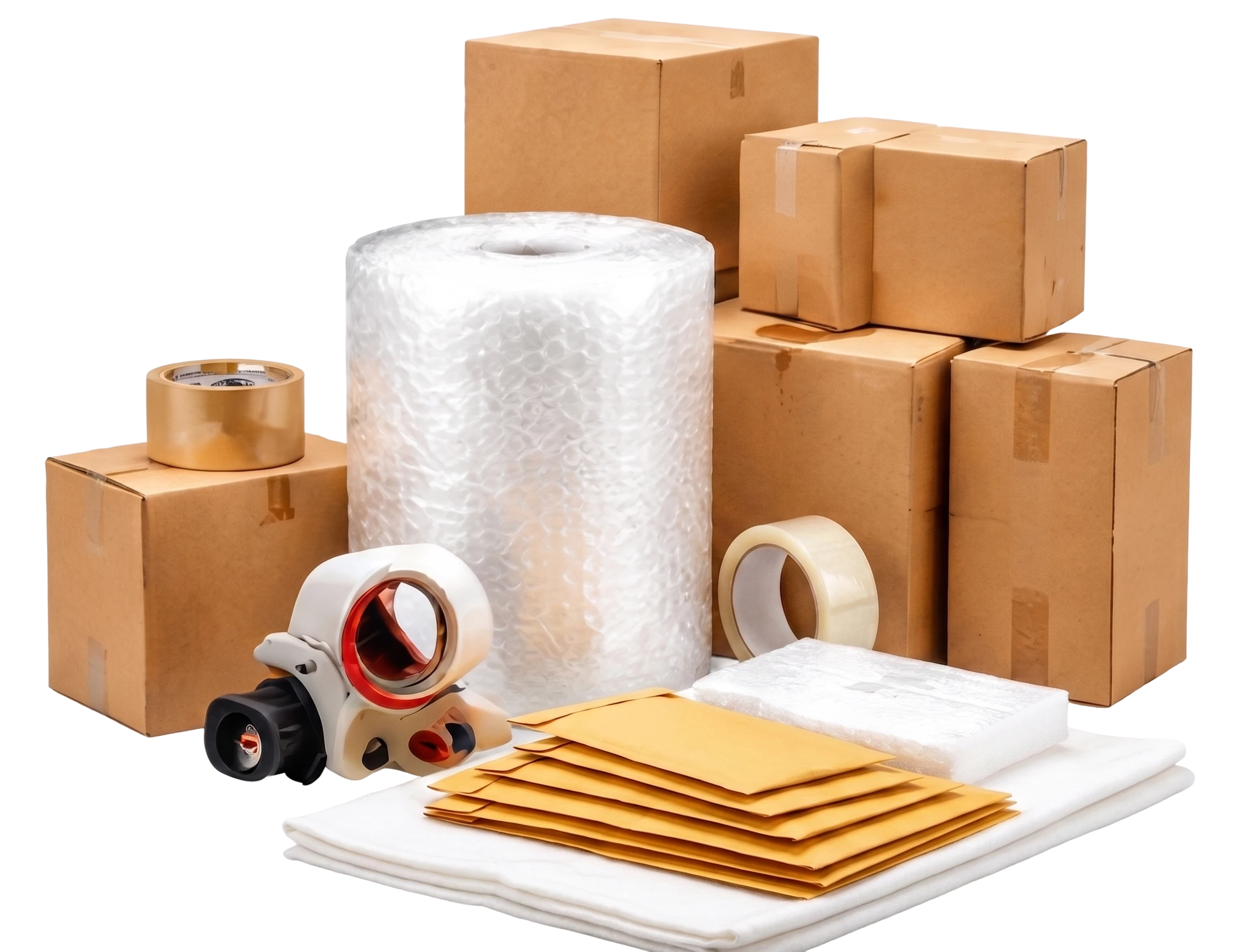
Packing Tape Guide for Better Box Sealing
A box can look perfectly packed and still fail at the bottom because the tape was too narrow, poorly matched to the carton, or applied with too little pressure. This packing tape guide explains what to buy for shipping, moving, storage, and daily business use, so your boxes arrive closed and your packing process stays efficient.
Start With the Job, Not the Roll
Packing tape is not one-size-fits-all. A lightweight box of office supplies needs far less holding power than a reused carton filled with books, hardware, or replacement parts. Before choosing a roll, consider the box weight, the quality of the cardboard, how far the package will travel, and where it may be stored.
For a household move, tape needs to hold through lifting, stacking, and changes in temperature inside a truck or garage. For e-commerce shipping, clean application and dependable adhesion matter because cartons may pass through several handling points. In a warehouse, speed often matters too, making a dispenser and a tape that unwinds consistently a practical investment.
The carton itself makes a difference. New corrugated boxes provide a clean surface that tape can grip well. Reused boxes may have dust, old labels, moisture exposure, or worn edges. They can still be useful, but they usually need wider tape, a more secure seal, or reinforcement at the bottom.
Know the Main Types of Packing Tape
The backing material and adhesive determine how tape applies, holds, and performs in different conditions. Product descriptions may list several technical details, but the most useful decision is choosing the type that fits your work.
Clear or Tan Carton-Sealing Tape
Clear and tan carton-sealing tape are everyday choices for moving, storage, and standard shipping. Clear tape keeps printed box information visible and gives packages a neat appearance. Tan tape can blend into standard kraft cartons and makes handwritten markings easier to spot.
Many general-purpose tapes use polypropylene backing. This material is lightweight, economical, and suitable for a wide range of routine packing jobs. It is a sensible option for homeowners, small businesses, and organizations that need dependable tape without overbuying for unusually demanding shipments.
Acrylic Adhesive Tape
Acrylic adhesive tape is commonly chosen for longer-term storage and general shipping. It often applies clearly and can be a good fit when boxes may sit on shelves for an extended period. If you are labeling and storing seasonal inventory, documents, or household items, acrylic tape is worth considering.
Adhesion can be affected by cold surfaces and dusty cartons, so press the tape firmly onto the cardboard rather than simply laying it across the seam. This is especially useful for boxes stored in unheated spaces.
Hot-Melt Adhesive Tape
Hot-melt tape is designed for a quicker, stronger initial grip on corrugated cartons. It is a practical choice for busy packing stations, heavier packages, and cartons that are handled frequently. The trade-off is that it may cost more than a basic general-purpose roll, which is why it often makes the most sense for regular shipping operations rather than occasional household use.
If your small business ships orders every day, a hot-melt option can help reduce the time spent re-taping loose seams or checking questionable closures.
Water-Activated Paper Tape
Water-activated paper tape uses moisture to activate its adhesive. Once applied, it bonds closely to corrugated cardboard and provides a clean paper finish. It can be useful for businesses that prefer paper-based packing materials or need an evident, difficult-to-reseal closure.
However, it requires a compatible water-activated tape dispenser or a manual wetting process. For occasional use, a standard pressure-sensitive tape and handheld dispenser are usually simpler. The right choice depends on your packing volume and process, not just the tape itself.
Packing Tape Guide to Width, Length, and Thickness
For most standard shipping cartons, tape around 2 inches wide is a common and practical starting point. It provides enough coverage across the center seam of typical boxes without wasting material. Narrower tape may work for small, lightweight cartons, but it is less forgiving when a box flexes or has uneven flaps.
Wider tape can provide added coverage on larger boxes, damaged carton seams, or packages with heavier contents. It does not automatically solve every problem, though. A weak or oversized carton can still bend under the load, even with several layers of tape.
Roll length affects convenience and cost. A longer roll means fewer changeovers at a packing table, which can save time for frequent shippers. A shorter roll can be easier to store and may be more practical for occasional moving or home projects. When comparing prices, look at the total length and number of rolls, not only the package price.
Tape thickness is often described in mils. In general, thicker tape can offer more resistance to splitting and stretching, but the adhesive and the carton condition still matter. For everyday boxes, a quality general-purpose tape is often enough. For dense, heavy, or high-volume shipments, choose tape intended for heavier-duty carton sealing.
Match the Seal to the Box Weight
The center seam is only one part of a secure box. The bottom of the carton carries the load, so seal it before filling the box and inspect it again when the carton is packed.
For lightweight items, one properly applied strip down the center seam may be enough. For medium-weight boxes, use the H-taping method: run one strip along the center seam, then place tape across both edge seams. This creates an H shape and helps secure the flaps from end to end.
Heavy cartons, boxes holding dense items, and reused cartons often need H-taping on both the bottom and top. Do not rely on tape to correct a box that is badly crushed, wet, torn, or too large for its contents. Replace damaged cartons and use appropriate void fill so the items do not shift and force the box seams apart.
Avoid making boxes too heavy to lift safely. Dividing a load into two smaller cartons can reduce strain on the cardboard and make handling easier for you and the carrier.
Use a Dispenser for Faster, Cleaner Application
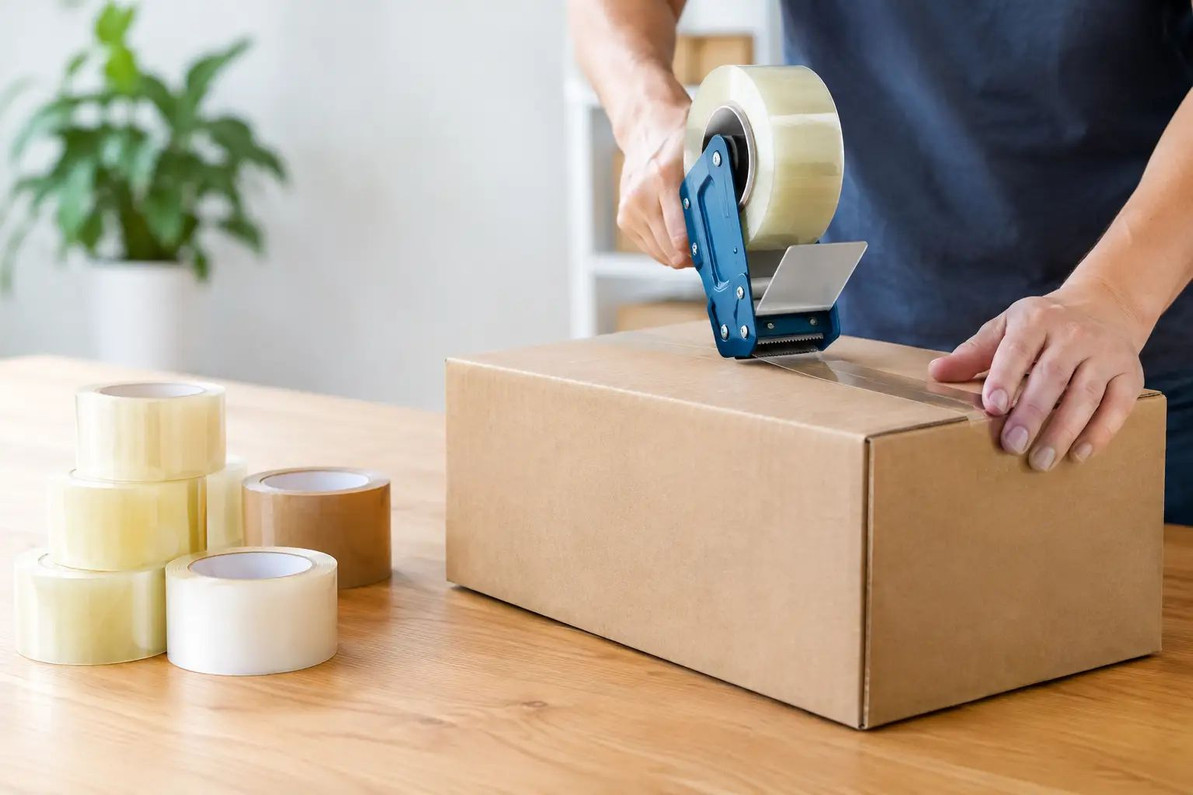
A handheld tape dispenser is one of the simplest upgrades for anyone sealing more than a few boxes. It keeps the tape roll under control, lets you apply tension, and cuts the tape cleanly at the end of the strip. This is useful for apartment moves, stockroom packing areas, online sellers, and maintenance teams preparing supplies for transport.
To use a dispenser effectively, start the tape several inches down one side of the center seam. Pull it across the flaps with steady tension, then continue several inches down the other side. Press the tape firmly as you go, particularly at the ends where lifting often begins.
A tape gun should feel comfortable in your hand and accept the roll width and core size you plan to use. For a fixed packing station, a desktop dispenser can keep supplies organized and make repetitive sealing easier. Keep spare rolls nearby so a depleted roll does not interrupt a run of orders.
Common Packing Tape Problems and Simple Fixes
Tape that peels up at the corners is often being applied to a dusty, damp, or rough surface. Wipe loose dust from the carton, allow wet cardboard to dry, and use firm hand pressure after application. If the problem continues, move up to a tape with stronger initial adhesion.
If tape breaks while dispensing, check whether the dispenser blade or roller has adhesive buildup. A roll that was stored in excessive heat, cold, or direct sunlight may also become harder to use. Keep packing supplies in a clean, dry indoor area whenever possible.
When tape wrinkles or bunches, slow down and keep the dispenser level with the seam. Very uneven box flaps may need to be repositioned before taping. For boxes that have been overfilled, remove a small amount of material rather than pulling the flaps together with force.
Buy the Right Amount for Your Packing Routine
A single roll may be enough for a small repair or a few moving boxes. Multi-roll packs are usually more convenient for larger moves, seasonal storage, busy offices, and shipping departments because they reduce last-minute supply shortages. Businesses that pack regularly may benefit from ordering tape with labels, mailers, and other packaging essentials to keep the workstation stocked.
Store unopened rolls flat or upright in their original packaging, away from dust and extreme temperatures. This helps protect the tape edges and keeps the adhesive ready when you need it.
The best packing setup is the one that matches the carton, the contents, and the pace of your work. Choose a tape that fits the job, apply it with enough overlap and pressure, and keep a dependable dispenser within reach. Those small decisions can prevent split seams, repacking delays, and frustrating box failures when it matters most.
Recent Posts
-
How to Organize Toys With Clear Storage Bins
Toy clutter tends to peak right before the holidays, when birthday gifts from the year are still sca …Oct 23, 2026 -
Folding Chairs for Church Halls and Community Centers
Church halls, fellowship rooms and community centers ask more of their seating than almost any home. …Oct 23, 2026 -
Restaurant Bus Cart Guide: Using a Utility Cart for Bussing
Every busy dining room hits the same wall at some point in a shift: dirty plates stack up, servers m …Oct 23, 2026