Duct Tape vs Packing Tape: Which to Use and When
You are halfway through packing a stack of boxes and the packing tape runs out, but there is a roll of duct tape in the junk drawer. It looks tougher, so why not use it? The duct tape vs packing tape question comes up constantly with home sellers, movers and small shops, and the answer is not "whichever is stronger." Each tape is built for a different job, and using the wrong one can mean boxes that pop open, labels that will not scan, or money wasted on tape that does not suit the surface.
This guide explains how the two tapes differ, where each one wins, and how to keep both on hand so you always grab the right roll.

Duct Tape vs Packing Tape: The Core Difference
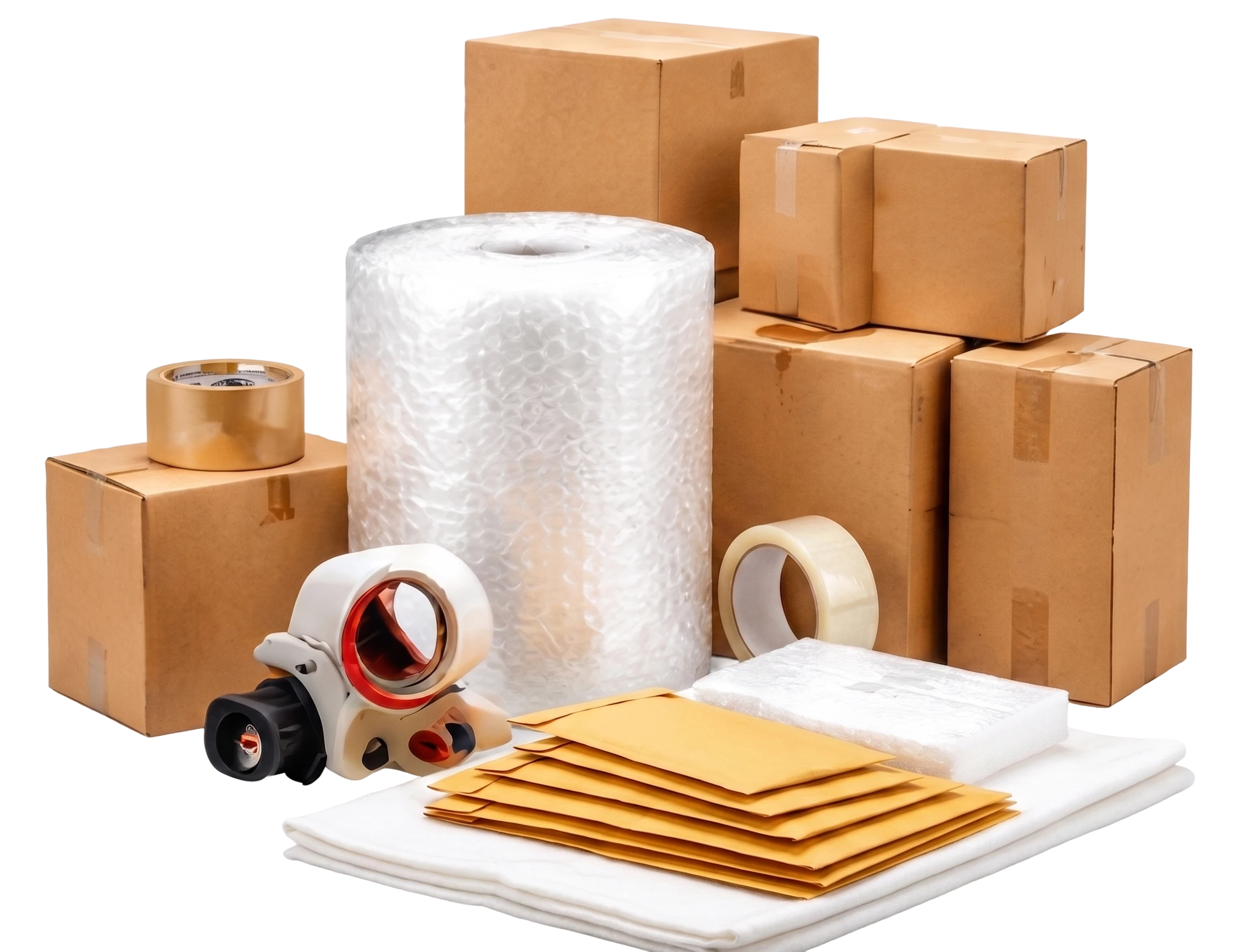
Packing tape, also called carton sealing tape, is a thin, smooth film with a pressure-sensitive adhesive made to grab corrugated cardboard. It goes on fast from a dispenser, lies flat across a box seam and stays put through handling, stacking and temperature changes in a truck.
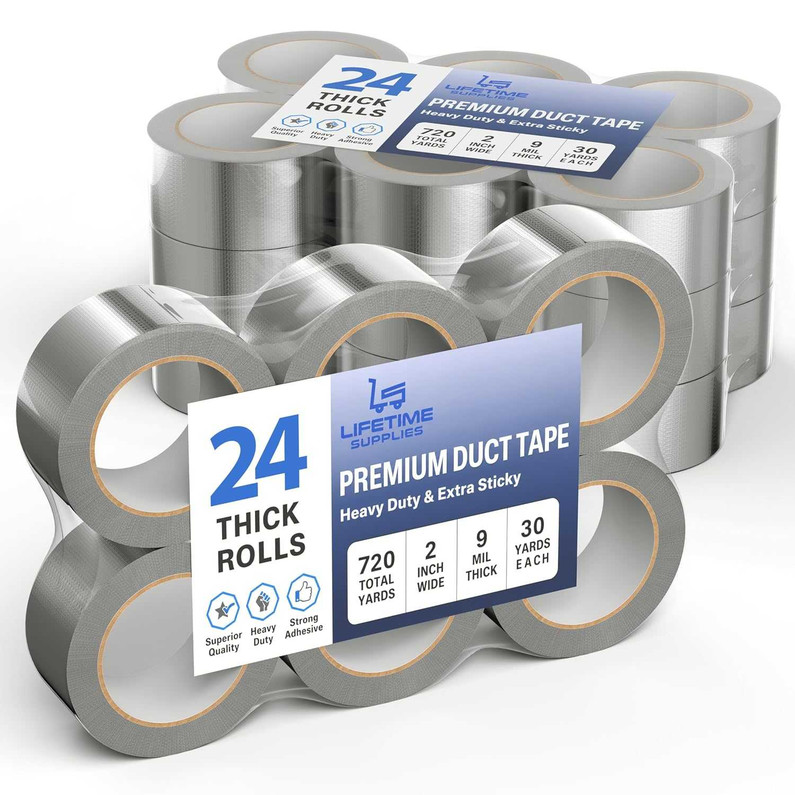
Duct tape is a thicker, more flexible tape built for repairs. Our heavy duct tape is 9 mil thick with a rubber-based adhesive and a waterproof polyethylene backing, and it is made to grip wood, plastic, glass, masonry and metal. It tears by hand and conforms around corners, curves and crevices. Those traits make it excellent for patching and bundling, but they are not what a box seam needs.
Quick comparison
- Best surface: packing tape is made for cardboard; duct tape is made for wood, plastic, metal, glass and masonry.
- Application: packing tape runs quickly from a tape gun; duct tape is usually torn by hand.
- Thickness: packing tape is thin and lies flat; duct tape is thick and flexible.
- Appearance on a box: clear packing tape leaves labels and markings readable; silver or black duct tape covers whatever is underneath.
- Weather: waterproof duct tape is designed for outdoor repairs in rain, heat, cold and sun.
Why Packing Tape Is the Right Choice for Shipping Boxes
When the goal is a sealed carton that survives a carrier network, packing tape is the tool for the job. Here is why it beats duct tape on boxes:
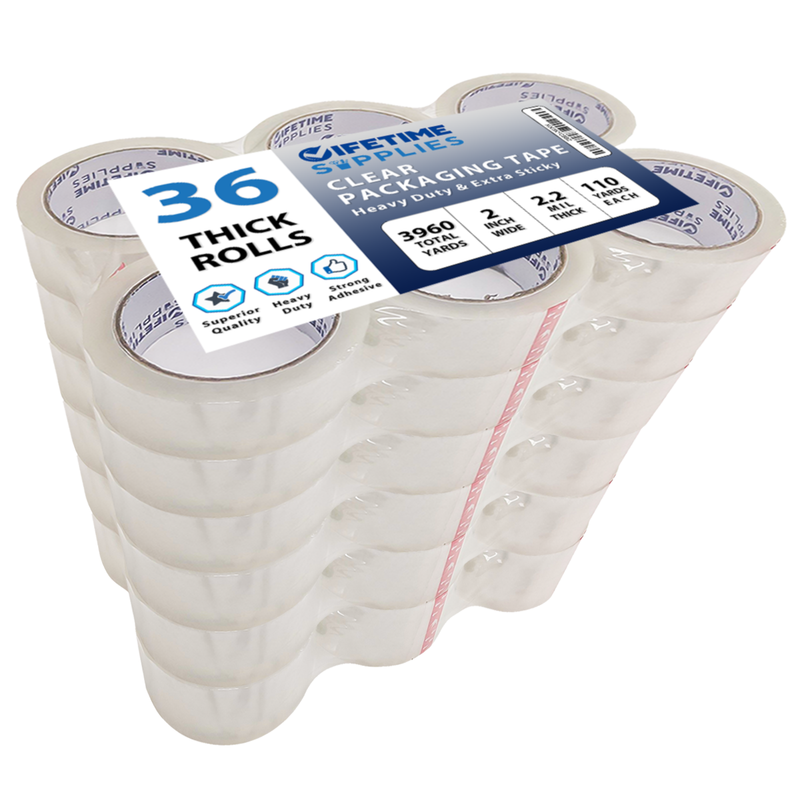
- It is built for cardboard. Carton sealing adhesive is designed to bond to corrugated fibers. Our 36 roll carton sealing tape uses a pressure-sensitive adhesive that sticks to corrugated boxes on contact.
- It keeps labels readable. Clear packing tape can go over the edge of a label or a handwritten address without hiding it. Opaque duct tape over a barcode can stop it from scanning.
- It is faster. A tape gun lays a straight strip and cuts it in one motion. Tearing duct tape by hand for every seam slows a packing session down.
- It is made for shipping. The carton sealing tape listing states it meets and exceeds USPS, UPS, FedEx and DHL requirements.
- It costs less per box. Bulk rolls of 110 or 65 yards seal far more cartons than a short roll of repair tape.
Where Duct Tape Wins
Duct tape earns its place in the garage, truck and workshop, just not on outgoing parcels. Reach for it when you need to:
- Bundle odd shapes. Wrap a set of tool handles, pipes, tent poles or garden stakes so they travel or store as one unit.
- Make temporary repairs. Patch a torn tarp, hold a cracked plastic bin lid in place or secure a loose hose until you can fix it properly.
- Work outdoors. A waterproof backing that handles rain, heat, cold and UV makes duct tape a better choice than packing tape for anything left outside.
- Grip non-cardboard surfaces. Wood, metal, plastic and masonry are where duct tape adhesive is meant to work.
- Prepare emergency kits. A roll in the car, camping bin or home emergency kit covers dozens of quick fixes.
Can You Use Duct Tape on a Shipping Box
In a pinch, duct tape will hold a box closed, but it is not the best choice and it can create problems. It hides labels and barcodes, it is slow to apply, and its thicker, stretchier build is designed to wrap and conform rather than lie flat along a seam. Some carriers also publish packaging guidelines that recommend pressure-sensitive packing tape, so check your carrier's rules before you ship. If you only have duct tape, keep it well away from the shipping label and any barcodes, and switch back to packing tape as soon as you can.
How to Seal a Box the Right Way With Packing Tape
- Load the tape gun. Thread the roll so the adhesive side faces the box as it comes off the roller, and check that the blade is clean.
- Tape the center seam. Run one strip along the seam where the flaps meet, extending a few inches down each side of the box.
- Use the H-tape method. Add a strip across each edge seam on the top and bottom so the tape forms an H. This keeps the flap edges from lifting.
- Press it down. Rub the tape firmly with your hand. Pressure-sensitive adhesive bonds best when it gets good contact.
- Reinforce heavy boxes. For heavier loads, add a second strip along the center seam on the bottom.
- Keep labels clear. Apply the shipping label to a flat face and do not cover the barcode with tape.
Choosing Width, Length and Color
For most boxes, 2 inch packing tape is the standard width. Our carton sealing tape comes in 36 roll packs, 2 inches wide, with a choice of 110 yard or 65 yard rolls and clear or brown film. Clear tape is the most versatile because it keeps any printing visible. Brown tape blends in with kraft cartons and gives a clean, uniform look on shelves of stored boxes.
For duct tape, 2 inch rolls handle most repairs and bundling jobs. Our heavy duct tape is 2 inches by 30 yards per roll and comes in silver or black. Black is popular for jobs where you want the repair to blend in with dark equipment or cases. Pack sizes are listed on the product page.
Frequently Asked Questions
Is duct tape stronger than packing tape
Duct tape is thicker and more flexible, which makes it tougher for repairs and bundling. Strength on a box seam depends on how well the adhesive bonds to cardboard, and that is what carton sealing tape is designed to do. For sealing cartons, packing tape is the better tool.
Can I write on packing tape or duct tape
A permanent marker works on both, but it is easier to write directly on the box and then cover it with clear packing tape. That way the writing stays protected and readable.
Should I use clear or brown packing tape
Clear tape is the safer default because it never hides labels or markings. Brown tape is a good match for kraft boxes when you want a neat, consistent look.
What is duct tape best used for around the house
Bundling long items, temporary repairs on tarps and bins, outdoor fixes, sealing and patching, and stocking a car or emergency kit. The heavy duct tape we carry is waterproof and grips wood, plastic, glass, masonry and metal.
Stock Both and Grab the Right Roll
The simple rule: packing tape for boxes, duct tape for everything else. Keep a case of carton sealing packing tape at your packing station and a few rolls of heavy duct tape in the garage and car, and you will never have to compromise again. Browse labels, stretch wrap, cushioning and more in our shipping supplies category.
Recent Posts
-

Foam Play Mat Setup Guide for Babies and Toddlers
Once a baby starts rolling, scooting and crawling, the floor becomes the main play area, and hard fl …Oct 24, 2026 -

Folding Table as a Desk: Home Office Setup Guide
Not every home has room for a permanent desk, and not every work-from-home setup needs one. Using a …Oct 24, 2026 -
Duct Tape vs Packing Tape: Which to Use and When
You are halfway through packing a stack of boxes and the packing tape runs out, but there is a roll …Oct 24, 2026